A Closer Look at Better Drinking Water: Testing, Filtration, and Treatment
It’s Easy to Take Good Water for Granted
Turn on the kitchen faucet, fill a glass, and that’s usually the end of the thought process. Water is just there. But when it starts tasting unusual, leaves cloudy marks on glassware, or smells different after a long weekend away, suddenly it gets your attention.
Good water quality isn’t something homeowners should have to guess about. Whether your home relies on municipal water or a private well, understanding what is actually coming through your pipes can help you make smarter decisions about treatment.
And no, that doesn’t mean every household needs an expensive system with a dozen filters. Sometimes the answer is much simpler.
Start With Testing Before Buying Equipment
One of the most sensible first steps is in-home water testing. Testing can help identify characteristics that aren’t always obvious from taste, smell, or appearance alone.
Depending on the situation, testing may look at factors such as hardness, pH, minerals, sediment, or other water-quality concerns. The results provide a starting point for deciding whether filtration, softening, or another form of treatment is appropriate.
This matters because buying a treatment system without understanding the problem is a bit like taking medicine without knowing what you’re treating. You might get lucky, but it’s not exactly the smart way to go.
A professional can help interpret test results and explain what they mean for your particular home.
When Drinking Water Needs Extra Filtration
Even when tap water meets applicable standards, some homeowners prefer additional treatment for taste, odor, or specific water-quality concerns.
This is where drinking-water filtration can become useful. Different filtration technologies are designed for different purposes, so the equipment should be selected according to the water analysis and the homeowner’s goals.
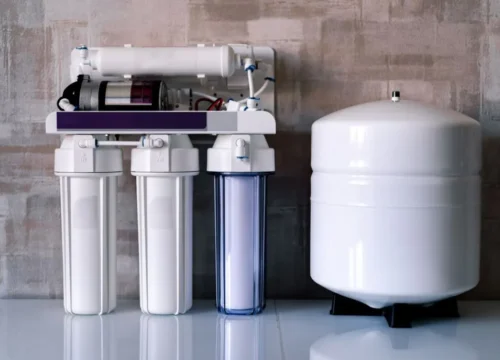
For some households, reverse osmosis drinking water can be an attractive option. Reverse osmosis systems use a semipermeable membrane along with other filtration stages to reduce a range of dissolved substances from water.
These systems are commonly installed at a specific drinking-water tap rather than treating every gallon entering the house. That can make sense when the primary goal is improving water used for drinking and cooking.
Why Well Water Requires Special Attention
Private wells are a little different from municipal supplies. A well owner is responsible for understanding and maintaining their own water system, which means regular testing becomes particularly important.
Well water can be affected by local geology, surrounding land use, plumbing materials, and changes in the groundwater environment. Some problems may be visible, while others won’t be noticeable without testing.
That’s why well water treatment should never be based solely on what the water looks or tastes like. Clear water isn’t automatically problem-free.
A proper test can help determine whether treatment is necessary and, if it is, what type of system makes sense. Depending on the results, solutions might include sediment filtration, softening, disinfection, carbon filtration, or more specialized treatment.
Hard Water Is More Than an Annoyance
Hard water isn’t usually the first thing people worry about, but it can become a constant household nuisance.
Minerals such as calcium and magnesium can leave spots on dishes, deposits around faucets, and scale inside water-using appliances. Soap and shampoo may also seem harder to rinse away.
If testing confirms hardness, a water softener may help reduce those mineral-related problems. But again, testing matters. There’s little benefit in installing a softener simply because someone down the road has one.
Every home’s water deserves its own assessment.
Choosing the Right System for Your Household
Water treatment isn’t about buying the biggest or most expensive equipment available. It’s about matching the system to the water and the way the household uses it.
A small family might need something very different from a large household with several bathrooms. A property with a private well has different considerations from a home connected to a municipal supply.
Before making a purchase, ask a few practical questions. What exactly does the system remove? How often do filters need changing? Does it require electricity? What maintenance is involved? How long should the equipment reasonably last?
These questions may seem simple, but they can reveal whether you’re looking at a sensible long-term solution or just an impressive product brochure.
Maintenance Is Part of the Deal
Water treatment equipment doesn’t maintain itself. Filters become saturated, membranes eventually need replacement, and mechanical components can wear down.
Ignoring maintenance can affect performance and may shorten the equipment’s useful life. It can also make it harder to notice when something has gone wrong.
Homeowners should follow the manufacturer’s recommendations and keep an eye out for changes in water taste, pressure, appearance, or odor. A sudden change doesn’t necessarily mean the entire system has failed, but it does deserve attention.
A few minutes spent checking things periodically is much easier than dealing with a preventable repair later.
Don’t Overlook the Rest of the Plumbing
Water quality and plumbing are closely connected. Even excellent treatment equipment can’t compensate for serious problems elsewhere in the system.
Older pipes, leaks, corrosion, poor connections, or neglected fixtures can all influence the water coming out of a tap. If you’re installing new treatment equipment, it’s worth having the surrounding plumbing evaluated too.
Sometimes a water-quality problem is actually a plumbing problem. Sometimes it’s both. Knowing the difference can save a homeowner a fair amount of money and frustration.
Better Water Starts With Better Information
There’s something reassuring about knowing what’s in your water instead of simply hoping everything is fine. Testing removes some of the guesswork, while the right treatment system can address problems based on evidence rather than assumptions.
Whether you’re considering a drinking-water filter, a reverse osmosis system, or treatment for a private well, start with the basics. Test the water. Understand the results. Compare suitable technologies. Ask about maintenance and long-term costs.
You don’t need to turn water treatment into a major home project. With the right information and a solution designed around your actual needs, cleaner, better-tasting water can become one of those quiet improvements you appreciate every single day.