Before You Spend a Dime on Water Treatment, Do This One Thing First
A few years back, a guy showed up at my door selling water softeners — one of those knock-on-doors, high-pressure kind of pitches — and within about ten minutes he had me convinced my water was basically poison. I almost signed something before my wife pulled me aside and said, “wait, have we even tested our water?” We hadn’t. And that one question saved us a few hundred bucks on a system we may not have even needed.
That experience stuck with me, honestly. It taught me that most water treatment decisions get made backward — people buy a system first and figure out the problem later, if ever. Which is a bit like buying medicine before you know what’s actually wrong with you.
Start Here, Not With a Sales Pitch
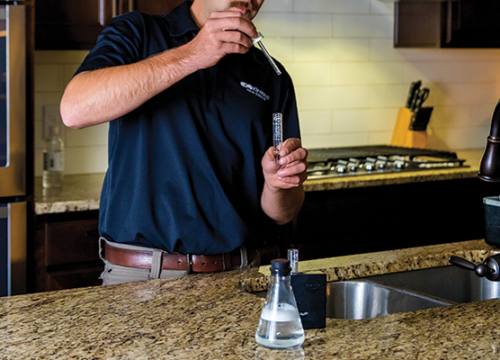
The smarter move, and the one I wish I’d known about earlier, is to get a free water analysis before making any decisions at all. A lot of local water treatment companies offer this, and some municipalities do too, either through a simple test kit or an in-home visit where someone checks your water for hardness, pH, iron content, and other common issues. It costs nothing, takes maybe twenty minutes, and gives you actual data instead of a stranger’s sales pitch to work from.
I know “free” can sound like a catch sometimes, like there’s a hidden agenda — and look, sure, sometimes the company doing the testing wants to sell you something afterward. That’s fine, honestly, as long as you go in knowing that and treat the results as information, not an obligation to buy. Take the numbers, do your own research, and decide from there. Nobody should be pressured into a five-thousand-dollar system on the spot, no matter how convincing the salesperson’s voice gets.
Once You Know What’s in Your Water, Then What
This is where things branch depending on whether you’re dealing with a house or something bigger. For most homeowners, the conversation revolves around residential drinking water systems — setups designed to handle whatever a typical household deals with, whether that’s hardness, sediment, chlorine taste, or specific contaminants that showed up in your test results.
These systems range from something as simple as an under-sink filter to a full whole-house setup combining softening and filtration stages. What you actually need depends entirely on what your water test showed, which, again, is why testing first matters so much. I’ve talked to people who installed elaborate systems for problems they didn’t even have, just because a salesperson made it sound urgent. Don’t be that person. Let the data guide the decision, not the pitch.
But Homes Aren’t the Only Place This Matters
Businesses deal with water issues too, and honestly, the stakes can be even higher there. A restaurant with scale-clogged equipment, a laundromat burning through machines faster than it should, an office building with staff complaining about tap water taste — these are real, costly problems that add up fast when you’re running a business instead of just a household.
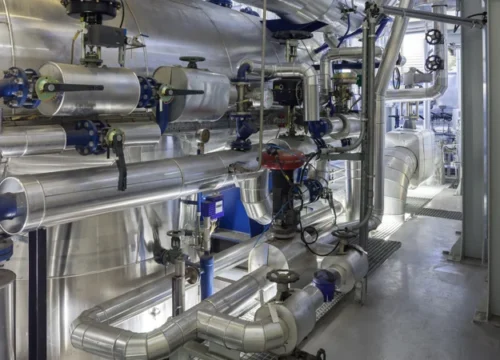
That’s where a proper commercial water solution comes into play, and it’s usually a bigger, more customized undertaking than residential setups. Commercial systems have to handle higher volume, different regulatory requirements sometimes, and equipment that’s a lot more expensive to damage than a home dishwasher. I know a guy who runs a small brewery, and he told me flat out that water quality basically makes or breaks his product — he doesn’t mess around with guessing on that one.
The Part People Skip: Actually Comparing Options
Once you’ve got your test results and you know roughly what you’re dealing with, take the time to actually compare a few companies or systems before committing. Don’t just go with whoever knocked on your door first, learn from my almost-mistake there. Ask about maintenance requirements, how long the system’s expected to last, and what happens when something breaks. Warranty terms matter more than people realize until they’re the ones stuck without one.
I’ll admit, this whole process felt tedious the first time I went through it. Testing, comparing, asking questions I didn’t fully understand the answers to. But it paid off. We ended up with a system that actually matched our water, not one built around fear or a stranger’s commission check.
If there’s one thing I’d tell anyone standing where I was a few years ago, it’s this — don’t skip the testing step, no matter how convincing the pitch sounds or how urgent someone makes your water problem seem. Data first, decisions second. Your wallet, and probably your sanity, will thank you for it later.