The Home Improvements That Make Everyday Life Feel a Little Easier
A house doesn’t need to be completely renovated to feel better. Sometimes, it’s the smaller jobs that make the biggest difference. A draft coming through an old window, a door that never quite closes properly, a loose cabinet handle, or a room that has looked unfinished for years can slowly become part of the background.
We get used to these things. That’s the funny part.
Then one day, you fix the problem and wonder why you waited so long.
Practical home maintenance is really about making a property work better for the people living in it. Some projects improve comfort, others protect the building, and a few simply make daily routines less annoying. The trick is knowing what deserves attention first.
Start With Comfort and Protection
A comfortable home isn’t only about heating and cooling. It’s also about keeping outside conditions where they belong—outside.
Gaps around doors, windows, vents, and other openings can allow drafts, moisture, dust, and outdoor noise into the house. Proper weather sealing can help reduce these problems while making indoor temperatures easier to maintain.
Weather sealing may involve caulking gaps, replacing worn weatherstripping, improving seals around windows, or addressing poorly fitted exterior doors. It isn’t particularly glamorous work, but it can be surprisingly effective.
Think of it like putting a good lid on a container. If there are gaps everywhere, whatever you’re trying to keep inside—or outside—won’t stay where it should.
Don’t Wait for Small Problems to Become Expensive Ones
Home maintenance has a habit of rewarding people who deal with things early.
A small crack might be harmless, or it might be an early sign of movement or moisture. A slightly loose gutter could become a bigger drainage problem. A small leak around a window might eventually damage surrounding wood or drywall.
That doesn’t mean homeowners should panic over every little mark. It means paying attention.
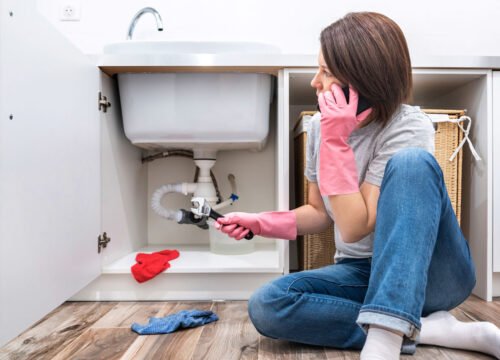
A quick inspection every so often can reveal issues before they become urgent. Walk around the outside of the property. Check visible seals. Look under sinks. Pay attention to unusual smells, stains, sticking doors, or unexplained changes in temperature.
Your house tends to give clues. You just have to notice them.
Remodeling Should Solve a Real Problem
Home remodeling is exciting, but it’s easy to get carried away. Beautiful inspiration photos can make every room suddenly look outdated.
Before starting a project, ask a simple question: what am I actually trying to improve?
Maybe the kitchen layout makes cooking awkward. Perhaps the bathroom doesn’t provide enough storage. Or maybe an unused room could become a practical office or guest space.
Starting with function helps keep the project grounded. Design still matters, of course. Nobody wants an ugly renovation. But a stylish room that doesn’t work properly will become frustrating surprisingly quickly.
Good remodeling should improve how a space feels and how it functions.
Plan Before You Start Pulling Things Apart
One of the costliest mistakes in home improvement is starting before the details are understood.
Before major work begins, think about materials, measurements, permits where applicable, electrical and plumbing requirements, ventilation, lighting, storage, and how the finished space will actually be used.
It’s also wise to leave some room in the budget for surprises. Older homes, in particular, can hide plenty of them behind walls and beneath floors.
You might discover outdated wiring, unexpected moisture, uneven framing, or plumbing that has seen better days.
A realistic plan isn’t one where everything goes perfectly. It’s one that can survive a little unpredictability.
Some Jobs Are Better Left to Experienced Hands
There are plenty of repairs homeowners can handle with confidence. Changing basic hardware, painting, assembling furniture, or making simple cosmetic repairs can be satisfying weekend projects.
But some tasks require more experience, specialist tools, or careful judgment.
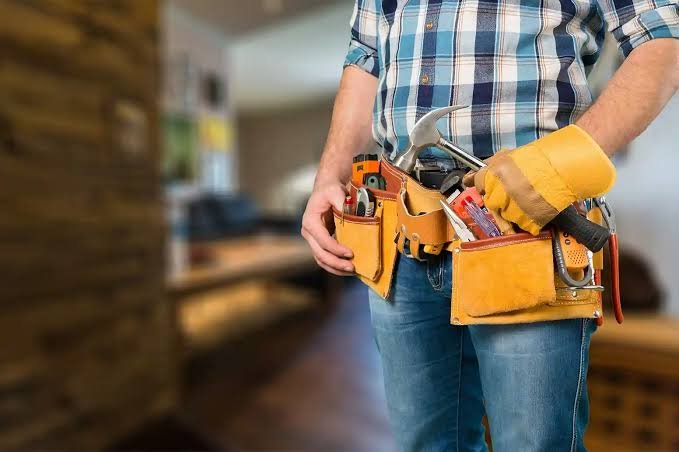
That’s where handyman services can be useful. A skilled handyman can often take care of several smaller jobs during one visit, which can be much more convenient than trying to coordinate multiple contractors for every minor repair.
The important thing is knowing the boundaries. Complex electrical work, major plumbing problems, structural changes, roofing issues, or other specialist tasks may require appropriately licensed or qualified professionals.
Good help isn’t about doing everything for you. It’s about knowing what needs professional attention.
Quality Materials Matter, But Installation Matters Too
Homeowners sometimes spend hours comparing products while giving surprisingly little thought to installation.
Yet even an excellent product can perform poorly when it’s installed incorrectly.
A high-quality window won’t seal properly if the opening isn’t prepared correctly. Beautiful trim won’t look right if measurements are off. New fixtures won’t feel like an upgrade if they’re loosely fitted.
This is why preparation matters so much. Accurate measurements, suitable materials, proper fastening, and careful finishing aren’t exciting, but they’re what separate a job that looks good for a month from one that continues looking good years later.
Think About Energy Efficiency
Comfort and energy efficiency often overlap.
Drafty doors and windows can make heating or cooling systems work harder. Poor insulation can contribute to uneven indoor temperatures. Older lighting and inefficient appliances may also increase energy use.
You don’t necessarily need a full-scale energy renovation. Start with the obvious weak points.
Seal visible gaps. Check insulation where accessible. Maintain heating and cooling equipment. Use energy-efficient lighting. Make sure doors and windows close properly.
Small changes can add up, especially when they’re addressing problems that have existed for years.
Maintenance Doesn’t Have to Feel Like a Chore
The easiest way to stay on top of home repairs is to stop thinking of maintenance as one enormous project.
Instead, keep a running list.
When you notice something, write it down. Group similar jobs together. Handle urgent issues first, then work through the cosmetic ones when time and budget allow.
Maybe this month it’s a sticking door and a loose shelf. Next month it could be sealing a draft or touching up damaged paint.
Slow progress is still progress.
A Better Home Is Usually a More Thoughtful One
The best home improvements aren’t necessarily the most expensive. They’re the ones that make the property safer, more comfortable, easier to maintain, or better suited to the people who live there.
A well-sealed door. A sensible renovation. A few repairs finally crossed off the list. None of these things sound revolutionary on their own.
But put them together and the difference can be noticeable.
Your home is where everyday life happens—the rushed mornings, lazy Sundays, family dinners, quiet evenings and all the messy bits in between. Improving it doesn’t have to mean chasing perfection.
Sometimes, it simply means making the place work a little better for you.
And that’s more than enough.