How Hard Water Can Quietly Affect Your Home and Daily Routine
Water is one of those things you notice most when there’s a problem. A shower leaves your skin feeling unusually dry, glasses come out of the dishwasher covered in spots, or the faucet that was perfectly shiny last month suddenly has a chalky ring around it. None of these issues seems dramatic on its own, but together they can become a real nuisance.
In many homes, the culprit is hard water. It’s incredibly common, and while hard water isn’t usually something that should cause immediate alarm, it can affect plumbing, appliances, cleaning, and even the way water feels during an ordinary shower. The frustrating part is that the damage often happens slowly. You don’t see it happening day by day.
What Makes Water “Hard”?
Hard water contains higher concentrations of naturally occurring minerals, mainly calcium and magnesium. As groundwater moves through soil and rock, it can pick up these minerals before eventually reaching a private well or municipal water system.
The amount varies considerably from one location to another. Two homes a few miles apart can sometimes have noticeably different water quality.
You may recognize hard water from a few familiar signs: white deposits around faucets, soap that doesn’t seem to lather properly, stiff laundry, or cloudy marks on shower glass. Sometimes there’s also a slightly different taste, although taste alone isn’t a reliable way to determine hardness.
A water test is the sensible way to find out what’s actually happening.
The Hidden Cost of Mineral Buildup
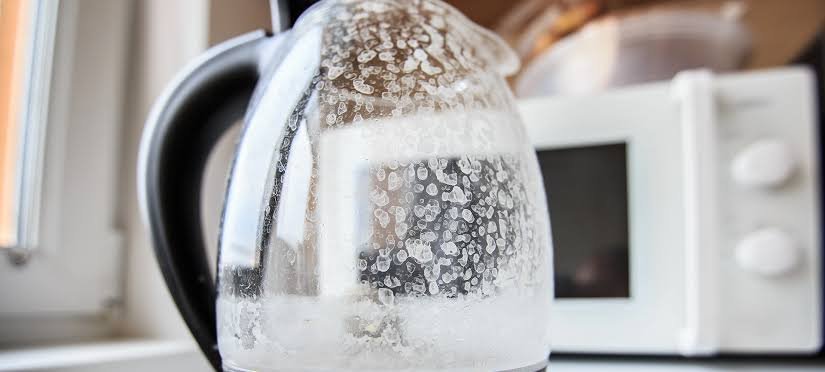
One of the biggest frustrations with hard water is that it doesn’t simply disappear down the drain. Minerals can accumulate on surfaces and inside plumbing components over time.
This buildup is often referred to as scale. On a faucet, it’s an eyesore. Inside a pipe or water heater, it’s more concerning because the buildup can restrict flow and interfere with efficient operation.
That’s why hard water damage can become an expensive issue when it’s ignored for years. Water heaters, dishwashers, washing machines, coffee machines, and other water-using appliances can all be affected by mineral deposits.
The key word here is “gradually.” Hard water rarely destroys something overnight. Instead, it slowly makes equipment work harder and can contribute to premature wear.
Your Skin May Notice It Too
There’s another side of hard water that has nothing to do with pipes or appliances. Your skin and hair come into contact with treated water every day, often several times.
Hard water can make it more difficult to rinse soap and shampoo completely. Some people notice that their skin feels tight or dry after showering, while others simply feel like they need more moisturizer than they used to.
Reducing water hardness may help some households achieve smoother skin, particularly when hard water is contributing to residue left behind after washing. Of course, skin type varies from person to person, so it’s not a miracle cure for every dryness problem.
Still, if your shower leaves you feeling like you need lotion immediately afterward, the water itself may be worth investigating.
Why Cleaning Can Become a Chore
Hard water has a funny way of making ordinary cleaning tasks take longer.
You clean the shower door, and a few days later those little white marks are back. You wash the kitchen faucet, only to find a crusty deposit around the base. Dishes may come out of the dishwasher looking less than sparkling, even though you just ran a full cycle.
Part of the problem is mineral residue. Soap and detergents can also behave differently in hard water, which may encourage people to use more cleaning products than they really need.
A water softening system can reduce the minerals responsible for hardness, potentially making everyday cleaning a little less frustrating. It won’t eliminate the need to clean, obviously. Nothing can promise that. But it can make the job easier.
Appliances Can Benefit From Softer Water
Think about how many appliances in a modern home use water. There’s the water heater, dishwasher, washing machine, coffee maker, humidifier, and sometimes an ice maker or other equipment.
When mineral deposits accumulate inside these machines, performance can gradually decline. Heating elements can develop scale, water flow can become restricted, and components may have to work harder.
This is one reason homeowners often consider water softening as a long-term investment. With proper installation and maintenance, reducing hardness can contribute to longer-lasting appliances by limiting the scale that forms inside water-using equipment.
It’s not a guarantee that an appliance will never break, of course. Machines still age. Parts still wear out. But reducing one source of unnecessary stress certainly can’t hurt.
Is a Water Softener Right for Every Home?
Not necessarily. This is where testing matters.
If your water isn’t particularly hard, installing a full softening system may provide little benefit. And if your main concern is chlorine, sediment, or another water-quality issue, softening alone won’t solve the problem.
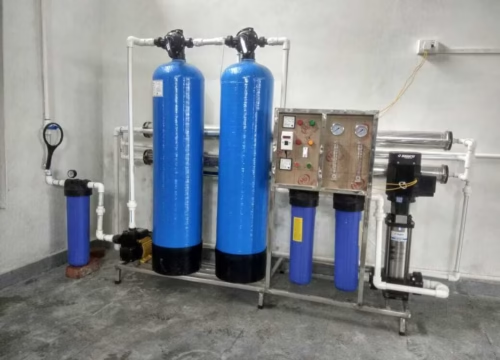
A good treatment plan should match the actual water conditions. Some homes need softening, while others may benefit more from filtration or another treatment technology. In certain cases, a combination of systems makes sense.
It’s also important to consider household water usage. A small family may have very different requirements from a large household with several bathrooms.
Don’t Forget About Maintenance
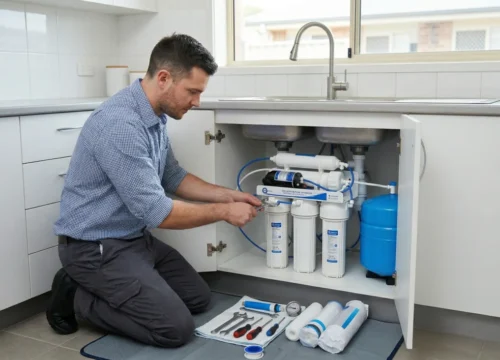
Installing a water treatment system is only the beginning. Like any other piece of home equipment, it needs some attention.
Depending on the system, maintenance may involve checking salt levels, replacing filters, cleaning components, or arranging periodic professional service. Ignoring these simple tasks can reduce performance and may eventually create problems that are more expensive to fix.
It’s worth keeping a basic maintenance schedule. Nothing fancy—just a reminder of when filters were changed or when the system was last inspected. A few minutes of organization can save plenty of hassle later.
A Small Change That Can Make a Big Difference
Hard water isn’t necessarily a crisis, but it can quietly affect many parts of everyday life. From mineral deposits on bathroom fixtures to scale inside appliances, the effects tend to add up over time.
The best approach is simple: find out how hard your water actually is, understand what that hardness means for your home, and then decide whether treatment is worthwhile.
Softer water won’t solve every household problem. But if you’re tired of scrubbing mineral stains, dealing with dry-feeling skin, or watching appliances struggle with scale, it may be one of those improvements that seems small at first—and becomes surprisingly valuable once you have it.