What Your Tap Water Is Telling You—and How to Get Better Water at Home
Most people don’t think much about their tap water until it starts behaving differently. A glass might have an odd taste. The shower could leave spots on the door. Maybe there’s a faint smell you can’t quite describe, or the kitchen faucet develops a crusty ring that seems to return no matter how often you clean it.
These little annoyances are easy to dismiss. After all, water is water, right?
Not quite. Water quality can vary considerably from one home to another, and even small differences in minerals, sediment, hardness, or treatment can change how water tastes and behaves. The trick is figuring out what your water actually needs instead of buying equipment based on guesswork.
A Water Test Can Tell You More Than Guessing Ever Will
Before choosing a treatment system, it helps to understand the water coming into your home. A free water test can be a useful starting point for homeowners who want to identify common water-quality concerns without committing to equipment immediately.
Testing may reveal hardness levels, iron, pH, sediment, or other characteristics that affect the way water looks, tastes, and interacts with plumbing. For households using private wells, testing becomes even more important because groundwater conditions can differ significantly from one property to another.
Even when water comes from a municipal supply, a home can experience issues related to old plumbing, localized sediment, or changes inside the building. Knowing what’s actually present makes the next decision much easier.
The Little Signs Around Your House Matter
Water-quality problems often leave clues.
White spots on shower doors and faucets can be associated with hard water. Orange staining may point toward iron. A sulfur-like smell can have a different cause altogether. Sediment may show up as cloudy water or particles collecting in fixtures.
None of these signs should automatically cause panic. Many are common and manageable. But they shouldn’t be ignored either, especially when they become noticeably worse.
Think about the pattern. Did the problem appear suddenly? Is it happening throughout the house or only at one faucet? Does the water taste different after sitting overnight? Those details can help narrow down what’s happening.
Hard Water Is Usually More Annoying Than Dangerous
Hard water gets blamed for plenty of household frustrations, and for good reason. Calcium and magnesium can form mineral scale on fixtures, appliances, and plumbing surfaces.
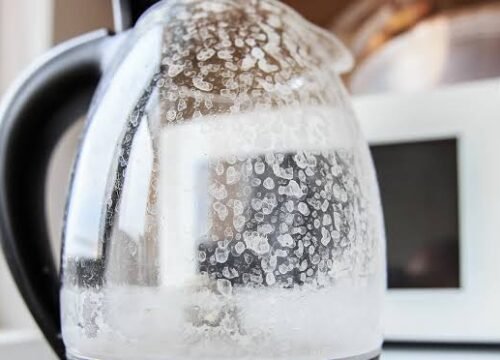
You might notice that soap doesn’t lather quite as well, towels feel less soft, or the inside of a kettle develops a white coating. Over time, mineral deposits can also affect water heaters and other equipment that regularly uses hot water.
A properly sized softening system can reduce these effects. But not every home needs the same capacity. Household size, water consumption, hardness level, and regeneration settings all influence how a system should be configured.
Choosing the right size is more important than choosing the biggest model you can afford.
Good Filtration Should Match a Specific Goal
Filtration is another area where homeowners can easily get overwhelmed. There are sediment filters, carbon filters, specialty media, reverse osmosis systems, and plenty of combinations.
The best approach is to start with the problem.
If sediment is the concern, the system should be designed to capture sediment. If chlorine taste or certain odors are the issue, another type of media may be more appropriate. If dissolved substances are the concern, a more advanced treatment technology might be necessary.
A filter isn’t automatically better because it has more stages. In fact, unnecessary treatment can add maintenance and cost without providing much additional value.
Drinking Water Deserves Some Extra Attention
There’s a difference between water that’s suitable for general household use and water that tastes great in a drinking glass.
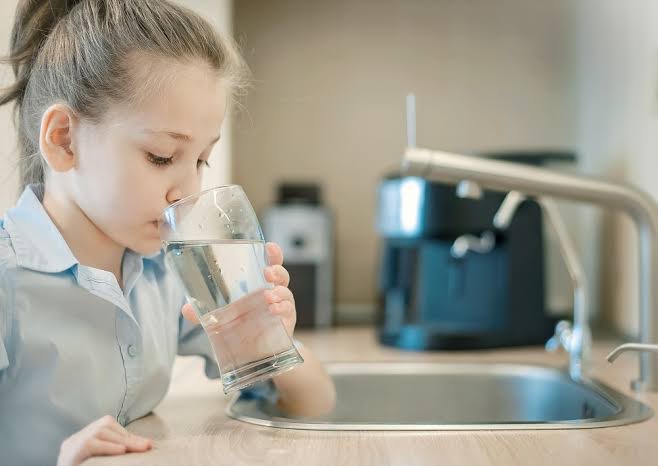
For many homeowners, the ideal goal is fresh-tasting water directly from your tap. That means being able to fill a glass without reaching for bottled water every time.
Depending on the water source and test results, drinking-water treatment may include carbon filtration, reverse osmosis, or another targeted technology. The right choice depends on what needs to be reduced and what the homeowner wants from the finished water.
Taste is subjective, too. Some people prefer very mineral-free water, while others like a little mineral character. There’s no universal definition of “perfect” drinking water. The important thing is that the system addresses genuine water-quality concerns while delivering water your household actually enjoys drinking.
Efficiency Matters More Than Fancy Features
Water treatment equipment operates in the background, so it’s easy to focus on features that look impressive on a product page.
But practical efficiency matters more.
Consider water consumption, regeneration frequency, filter replacement intervals, energy requirements, and long-term operating costs. A system that performs well but wastes excessive amounts of water may not be the best choice for every household.
The same goes for maintenance. If replacing cartridges requires a complicated process or the system needs frequent attention, that’s worth knowing before installation.
A treatment system should fit into your routine, not create another full-time hobby.
Non-Electric Options Can Be Worth Considering
Electricity isn’t always necessary for effective water treatment. Some homeowners prefer equipment that operates mechanically and doesn’t rely on an electrical connection for its basic operation.
For example, Kinetico non-electric water softeners use water-driven operation rather than depending on conventional electrical controls. This approach can be attractive to homeowners looking for an alternative to traditional electrically controlled softeners.
The larger lesson is that technology should be chosen based on household needs, not simply because it happens to be different. Non-electric equipment may appeal to some homeowners, while others may prefer systems with electronic controls and programmable settings.
There’s no need to turn it into a technology competition.
Installation Quality Makes a Difference
Even a good treatment system can perform poorly if it’s installed incorrectly.
Flow direction, bypass configuration, drain connections, pressure, pipe sizing, and system placement all matter. Equipment should also have enough space for future maintenance.
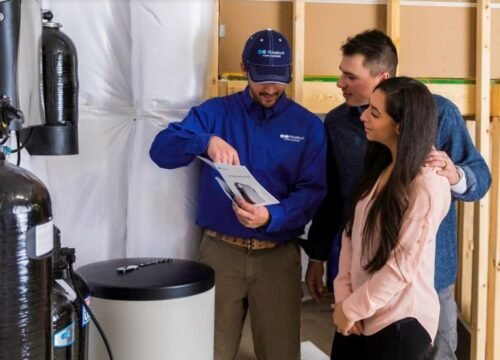
Professional installation can help ensure that the system is matched to the home’s plumbing and water demand. It can also prevent small setup mistakes from becoming expensive problems later.
And don’t overlook accessibility. A system that’s impossible to reach when a filter needs changing isn’t exactly convenient.
Pay Attention After Installation
The first few days after installation are a good time to notice how the water behaves.
Does it taste better? Are odors reduced? Are spots appearing less often? Has water pressure changed? Is the system cycling or regenerating as expected?
These observations provide useful feedback. Sometimes a setting needs adjustment. Sometimes the initial water test needs to be interpreted alongside real household usage.
Water treatment isn’t always a “set it and forget it” situation. A little attention early on can help keep the system performing properly for years.
Better Water Starts With a Better Understanding
Improving your home’s water doesn’t have to mean filling the utility room with equipment. It starts with something much simpler: paying attention.
Notice the taste. Look at the fixtures. Watch for scale, stains, sediment, and odors. Get the water tested when appropriate, and use those results to guide your decisions.
The right treatment system should solve a real problem without creating unnecessary complexity. Whether that means softening hard water, improving filtration, or upgrading drinking-water quality, the goal is ultimately the same: water that works better for everyday life.
And when you can turn on the tap, fill a glass, take a drink, and not think twice about it, that’s a pretty good sign you’ve got the balance right.