Choosing the Right Water Treatment Approach for Your Home
Water is one of those things most people barely think about until something seems off. Maybe there’s a strange taste in the morning coffee, white scale around the faucet, or an odor that wasn’t there a few months ago. Sometimes the issue is obvious. Other times, the water looks perfectly clear while still containing minerals or other substances you’d rather not have around.
That’s why choosing a water treatment system shouldn’t start with a product brochure. It should start with understanding your water conditions and what you actually want the system to accomplish. A household dealing with hard water has different priorities from one concerned mainly about drinking-water quality. Getting that distinction right can save money, reduce frustration, and lead to a system that genuinely makes daily life easier.
Start by Understanding What’s in Your Water
Before comparing filters, softeners, or reverse osmosis equipment, find out what you’re dealing with. Municipal water and private well water can have very different characteristics, and even homes in the same neighborhood may experience noticeable differences.
A professional water test can reveal hardness, pH, dissolved minerals, iron, chlorine, and other common concerns. Some problems are visible, such as staining or scale. Others require testing to identify. Guessing based on appearance or taste isn’t a particularly reliable strategy.
Testing also prevents a common mistake: buying a system designed to solve a problem you don’t actually have. More equipment isn’t automatically better. The right equipment is what matters.
Think About How Your Household Uses Water
Once you understand the quality of your water, consider your household’s usage needs. A couple living in a small home won’t necessarily need the same capacity as a large family with several bathrooms, frequent laundry, and heavy daily water consumption.
Think about when water is being used, too. Morning showers, dishwasher cycles, laundry, cooking, and outdoor activities can create periods of high demand. A system that’s technically capable of treating water but struggles during peak usage can become a source of irritation.
Flow rate and system capacity deserve attention here. Ask how much water the equipment can treat and whether it can maintain performance when several fixtures are operating at once. It’s a less glamorous question than looking at sleek equipment, but it can make a big difference.
Know the Difference Between Filtration and Softening
Not every water problem requires the same type of treatment.
Water softeners are primarily designed to address hardness caused by minerals such as calcium and magnesium. Hard water can leave spots on glassware, create scale inside plumbing, and make soaps less effective. If your main complaint is persistent mineral buildup, softening may be the appropriate starting point.
Filtration works differently. Depending on the technology, filters can reduce sediment, chlorine, odors, and certain other contaminants. A whole-house filter can treat water entering the property, while a point-of-use system can focus on a particular tap.
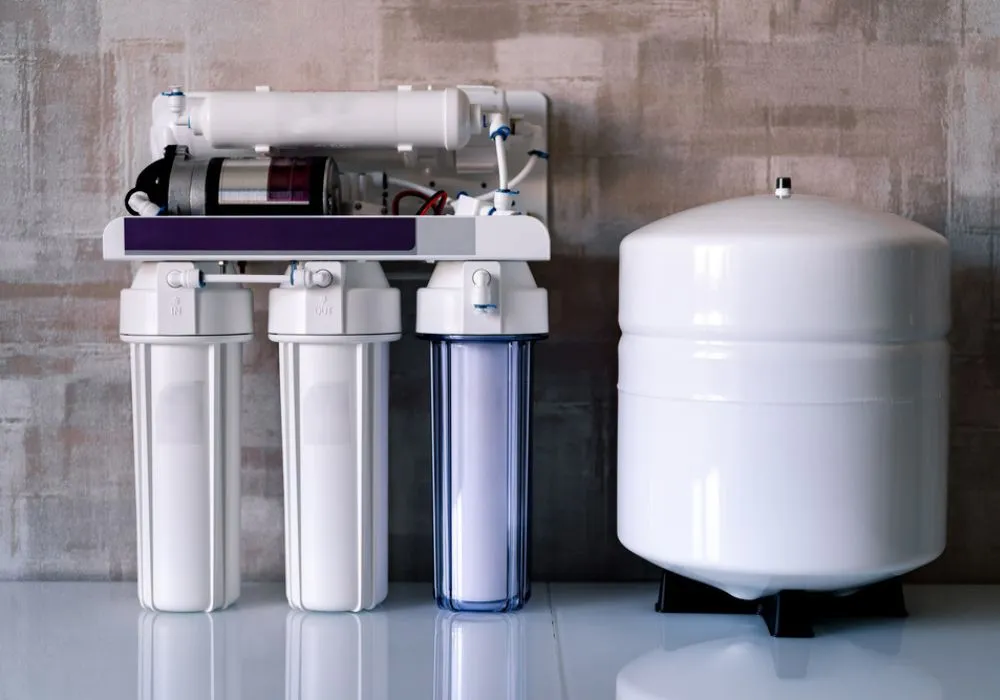
Then there’s reverse osmosis, which uses a semipermeable membrane to reduce many dissolved substances from drinking water. It’s often used when homeowners want a higher level of treatment for cooking and drinking rather than treating every gallon used throughout the house.
The key is matching technology to the problem instead of assuming one system can do everything equally well.
Consider Where Treatment Is Actually Needed
Whole-house treatment sounds appealing, and sometimes it’s exactly the right choice. If hard water is affecting showers, fixtures, appliances, and plumbing throughout the property, treating the incoming supply makes sense.
But not every concern needs whole-home treatment. If the primary issue involves drinking and cooking water, a dedicated kitchen system may be more practical. It can provide targeted treatment without requiring the same investment as a complete home setup.
This is where a little planning pays off. Consider which fixtures matter most, how many people use the home, and whether the goal is improving taste, protecting plumbing, reducing specific contaminants, or achieving several things at once.
Look Beyond the Initial Price
The purchase price is only one part of the equation. A water treatment system has an ongoing life, and that means maintenance, replacement filters, salt or other consumables, electricity in some cases, and occasional professional service.
A cheaper system may not remain cheaper if its filters need frequent replacement or its components are difficult to service. Likewise, an expensive system isn’t necessarily the best investment simply because it has more features.
Instead, consider the total cost of ownership. Ask about expected maintenance intervals, replacement parts, warranty coverage, and service availability. You’ll appreciate having those answers later, particularly when the system has been installed for several years.
Installation Matters More Than It Seems
Even good equipment can perform poorly when it’s installed incorrectly. Plumbing configuration, pressure, drainage, electrical requirements, and available installation space all need to be considered before work begins.
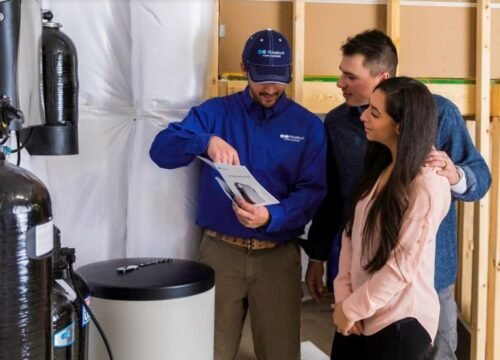
A qualified installer should also be willing to explain how the system works. You shouldn’t need an engineering degree to understand basic maintenance or know when something isn’t operating normally.
Professional installation can also help protect the manufacturer’s warranty and reduce the risk of leaks, incorrect settings, or premature component failure. It’s one of those expenses that’s easy to overlook until something goes wrong.
Think About Your Long-Term Performance Goals
A useful question to ask before buying is: “What would make me happy with this system a year from now?” Your performance goals might include better-tasting drinking water, fewer hard-water deposits, cleaner-looking fixtures, improved appliance protection, or reduced reliance on bottled water.
Those goals give you something concrete to measure.
They also help prevent feature overload. Water treatment equipment can come with plenty of technical specifications, but a long list of features doesn’t necessarily translate into better results for your home. A simpler system that addresses your actual concerns can be a smarter choice.
Don’t Ignore Changing Water Quality
Water quality isn’t always static. Seasonal changes, plumbing work, changes in a municipal supply, well conditions, or aging equipment can affect what comes through your taps.
For that reason, periodic testing can be useful, especially if your household notices a new taste, smell, discoloration, or buildup. If a treatment system has been operating for years, testing can also confirm whether it is still doing what you expect.
In other words, water treatment isn’t necessarily a one-time purchase. It’s more like maintaining other important parts of a home. Pay attention, make adjustments when necessary, and don’t wait for a major problem to force the issue.
Making a Better Decision
The best water treatment system isn’t necessarily the largest, newest, or most expensive option available. It’s the one that fits your water quality, household habits, property, and long-term expectations.
Start with testing. Understand the problem. Think honestly about how your family uses water. Then compare treatment technologies and installation requirements with those facts in mind.
That approach may take a little more time than choosing a system from a quick online search, but it usually leads to a much better outcome. Clean, reliable water shouldn’t feel complicated. With the right information and a properly matched treatment solution, it can simply become one less thing you have to worry about.