Choosing Better Water Care With Experience, Reliable Products, and Ongoing Support

Water is easy to take for granted. We turn on a faucet, fill a glass, wash the dishes, and move on with our day. It’s always there—until suddenly it isn’t quite right. Maybe there’s an odd taste, a cloudy appearance, stubborn scale around the sink, or an appliance that seems to be struggling with mineral buildup.
These little signs can be frustrating, but they can also be useful clues. Water quality problems are often easier to manage when they’re identified early and addressed with the right equipment. The trick is knowing what your water actually needs rather than buying a system simply because it looks impressive.
That’s where knowledgeable professionals, dependable products, and ongoing assistance can make the process much simpler.
Start With the Water You Actually Have
Every home has its own water story. Municipal supplies can vary from one community to another, while private wells can have their own mix of minerals and naturally occurring substances. Even neighboring houses may experience different issues because of plumbing, water sources, or treatment setups.
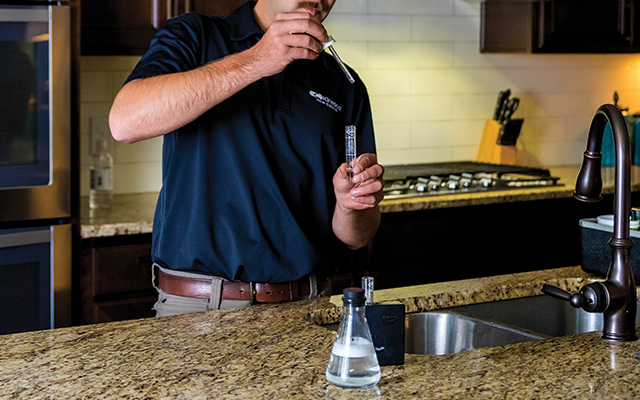
Before choosing equipment, water testing is a sensible first step. Testing can help identify factors such as hardness, pH, chlorine, iron, sediment, and other characteristics depending on the test.
Once the results are available, you have something concrete to work with. Instead of wondering why your faucet keeps developing white spots, for example, you can determine whether hardness is actually the cause.
It sounds simple, and honestly, it is. Good decisions usually start with good information.
Why Experience Makes a Difference
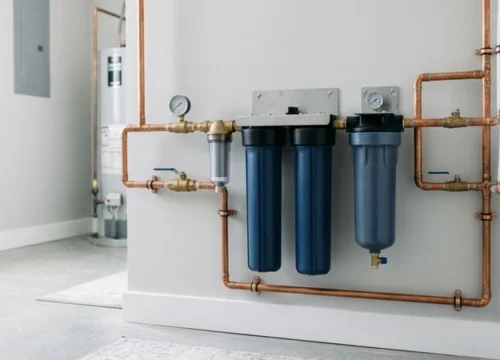
Water treatment can get confusing quickly. There are filters, softeners, reverse osmosis systems, carbon media, UV technologies, and combinations of these products. Each one has a purpose, but not every system is suitable for every situation.
Working with experienced water experts can help homeowners understand those differences without getting lost in technical jargon. A knowledgeable professional can look at your water test results, household size, water usage, and specific concerns before recommending a practical approach.
For example, a family dealing mainly with hard water may need softening, while another household might be more concerned about taste, odor, or sediment. Treating the wrong problem won’t magically improve the right one.
Experience helps connect the dots.
Quality Products Matter
Once you’ve identified the water issue, the next step is choosing equipment. This is where quality matters more than flashy advertising.
A treatment system is something you may rely on every day for years. Components should be designed for their intended application, properly sized, and maintained according to manufacturer recommendations.
Choosing tested & proven products can provide greater confidence that the equipment has been designed to perform consistently under appropriate conditions. Of course, no product is a miracle solution, and even excellent equipment needs proper installation and maintenance.
Still, quality equipment is a good foundation.
Think Beyond the Initial Installation
One common mistake is treating installation as the finish line. It isn’t.
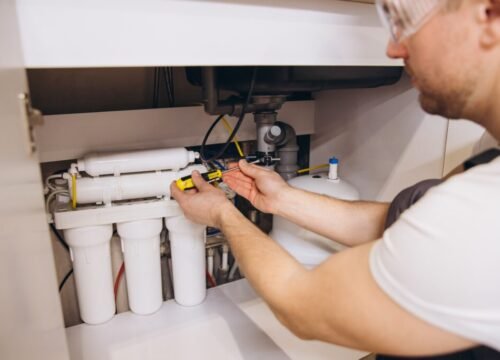
Filters eventually need replacement. Water softeners may need servicing or salt replenishment. Reverse osmosis systems have components that require periodic attention. Even a well-designed setup can perform poorly if maintenance is ignored.
This is why homeowners should consider the long-term ownership experience before choosing a provider. Ask what maintenance is required, how often filters need replacing, and whether replacement parts are readily available.
A little planning now can prevent a lot of “why isn’t this working?” moments later.
The Value of Full-Service Support
Having someone to contact when questions arise is reassuring, particularly when the water system is part of your everyday routine. Full-service support can include installation guidance, maintenance, troubleshooting, replacement parts, and assistance when something doesn’t seem right.
Good support isn’t necessarily about being available every minute of every day. It’s about having a clear path to help when you need it.
For homeowners, that can mean getting an answer about a filter change. For a business, prompt assistance may be even more important because water treatment problems can interfere with operations.
Support should feel like part of the service, not an afterthought.
Don’t Overlook System Sizing
Bigger isn’t always better when it comes to water treatment.
A system that’s too small may struggle to keep up with household demand. One that’s unnecessarily large could cost more to purchase and operate without providing meaningful benefits.
Water usage, flow rate, incoming water quality, household size, and the specific treatment goal should all be considered when sizing equipment.
This is another reason professional assessment can be valuable. A proper recommendation isn’t simply “here’s our biggest system.” It should be based on how the property actually uses water.
Maintenance Keeps Everything Moving
Even the best treatment system needs routine care. Fortunately, maintenance is usually less complicated when you stay ahead of it.
Keep track of filter replacement dates. Follow service recommendations. Pay attention to changes in water taste, pressure, odor, or appearance. If something suddenly feels different, don’t ignore it for months hoping it’ll disappear.
Small changes can sometimes indicate a filter that needs replacing or a component that requires attention.
Think of it like changing the oil in a car. You don’t wait for the engine to complain loudly before doing basic maintenance.
Make the Decision Based on Your Needs
It’s easy to get distracted by product features, technical terms, or impressive-looking equipment. But the most useful water treatment system is the one that solves the actual problem in your home.
Start with testing. Understand the results. Consider your household’s water consumption and priorities. Then compare treatment options based on performance, maintenance, cost, and long-term support.
Don’t be afraid to ask questions, either. A good provider should be able to explain why a particular system is being recommended and what you can realistically expect from it.
Better Water Is a Long-Term Investment
Water treatment isn’t necessarily something you’ll think about every day once everything is working properly. And that’s actually a good thing.
The ideal system quietly does its job in the background, helping provide water that better suits your household while reducing problems such as scale, sediment, or unpleasant taste where the selected treatment is designed to address them.
The smartest approach is not to chase the newest gadget or the biggest system. It’s to understand your water, choose dependable equipment, work with knowledgeable professionals, and keep the system maintained.
When those pieces come together, water treatment becomes less of a chore and more of a sensible part of caring for your home. Sometimes the best household improvements are the quiet ones—the ones you don’t notice because everything simply works the way it should.