What Your Water Might Be Hiding: A Practical Guide to Safer Well Water

For many homeowners, having a private well feels like a small piece of independence. You have your own water source, you’re not relying on a municipal system, and there’s something reassuring about knowing where your water comes from. But here’s the catch: clear water isn’t necessarily clean water.
Well water can contain minerals, bacteria, metals, and other contaminants that you can’t see, smell, or taste. That’s why taking a closer look at your water quality isn’t just a “nice to do” household chore. It’s part of protecting your home and the people living in it.
Why Private Well Water Needs Extra Attention
Unlike public water supplies, private wells generally aren’t managed by a municipal water utility. The responsibility for testing and maintaining the water source usually falls on the property owner.
That can be easy to overlook. Life gets busy, after all. You’ve got bills, repairs, work, family commitments — checking a well system may not sit very high on the list.
Still, groundwater can change over time. Heavy rain, flooding, nearby agricultural activity, old plumbing, septic systems, and changes in the local environment can all influence what ends up in a well.
A good well water treatment system can help address specific water-quality problems, but the important word here is specific. There isn’t one magic filter that removes everything. Treatment should be based on what’s actually present in your water.
Testing Comes Before Choosing a Filter
One of the most common mistakes homeowners make is buying a filtration system first and asking questions later.
It sounds reasonable: the water tastes strange, so buy a filter. There’s staining around the sinks, so install a softener. But water problems aren’t always that simple.
A proper water analysis can identify issues such as hardness, iron, manganese, bacteria, nitrate, pH imbalance, and certain chemical contaminants. Once you know what you’re dealing with, you can choose treatment equipment that actually fits the problem.
In some cases, homeowners may even qualify for free water testing through local programs, water professionals, or community initiatives. Availability varies by location, so it’s worth checking what resources are offered in your area before paying for a test.
The PFAS Question Is Becoming Harder to Ignore
There’s another group of contaminants getting increasing attention: per- and polyfluoroalkyl substances, commonly known as PFAS.
These chemicals have been used in a wide range of industrial and consumer applications because they’re highly resistant to heat, grease, and water. That same durability, however, means they can persist in the environment for a long time.
The concern around pfas contamination is particularly relevant for properties near certain industrial sites, airports, military facilities, landfills, or other locations where PFAS may have been used or released. But location alone doesn’t tell you whether your water contains PFAS. Testing is the sensible way to find out.
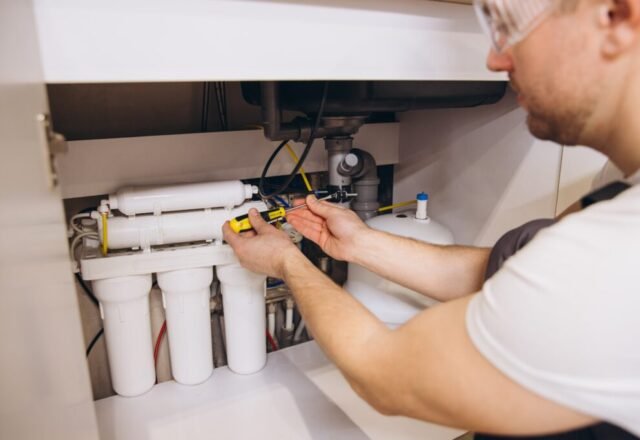
If PFAS are detected, treatment options can include technologies such as activated carbon and reverse osmosis, depending on the water source and the specific circumstances. Professional guidance matters here because treatment performance depends heavily on system design, maintenance, and contaminant concentration.
Hard Water Is Annoying — But It’s Not the Whole Story
Hard water is one of the most familiar well-water complaints. You might notice white spots on faucets, mineral deposits around fixtures, dry-feeling skin, or soap that refuses to lather properly.
A water softener can make a noticeable difference by reducing hardness minerals, particularly calcium and magnesium. It can also help protect plumbing fixtures and water-using appliances from scale buildup.
But remember, hardness is primarily a water-quality and household-performance issue. A softener isn’t designed to solve every contamination problem. If your water has bacteria, nitrate, arsenic, PFAS, or another concern, you need a treatment approach specifically designed for that contaminant.
That distinction can save homeowners a lot of money — and frustration.
Don’t Forget the Well Itself
Water treatment equipment gets plenty of attention, but the well structure deserves some too.
Inspect the wellhead and surrounding area periodically. The area immediately around the well should be protected from obvious sources of contamination. Look for damaged components, standing water, unusual drainage, or anything else that could compromise the well.
Your well pump and pressure system also need attention. Strange noises, inconsistent pressure, unusually high electricity use, or changes in water flow can be signs that something isn’t quite right.
And if your area experiences flooding, it’s especially important to consider testing the well afterward. Floodwater can carry bacteria and other contaminants into places they shouldn’t be.
When Should You Test Your Water?
There isn’t one universal testing schedule for every private well, because local conditions matter. However, routine testing is a smart habit, particularly for basic indicators of contamination.
You should also consider testing when you notice a change in taste, odor, color, or appearance; after flooding; following well repairs; or when there has been a change in the surrounding land use.
Families with infants, older adults, or people who may be more vulnerable to certain contaminants should be especially thoughtful about water quality. If you’re uncertain about which tests make sense, a qualified water professional or local health authority can help point you in the right direction.
A Little Attention Goes a Long Way
Your well doesn’t need to become a complicated science project. The goal is simply to understand your water and respond to actual problems instead of guessing.
Start with testing. Keep records of the results. Maintain the well and treatment equipment. Replace filters when required, and don’t assume a treatment system will work forever without servicing.
Most importantly, remember that water quality can change. A test that looked fine several years ago is useful history, but it shouldn’t be treated as a permanent guarantee.
Clean, dependable water is one of those things we tend to notice only when something goes wrong. A little prevention can keep that moment from arriving — and give you one less household worry to carry around.