Keeping Your Water System in Good Shape: What Homeowners Should Know
Clean, reliable water is one of those things you barely notice until something goes wrong. A strange taste shows up in the glass. Water pressure drops. Maybe there’s a stubborn stain around the sink that wasn’t there a few months ago. Suddenly, the water system becomes a household concern.
The good news is that most water treatment problems don’t have to become major headaches. Regular attention can keep equipment working properly, protect water quality, and potentially extend the life of the system. Like a car, a filtration or softening system needs more than installation day to stay dependable.
Why Routine Water System Care Matters
Water treatment equipment works quietly in the background, often every hour of every day. That constant use means components gradually collect sediment, filters become loaded, and treatment media can lose effectiveness.
Skipping routine care doesn’t necessarily cause an immediate problem. That’s what makes maintenance easy to ignore. But over time, neglected equipment may deliver less consistent results and put extra strain on valves, pumps, tanks, or other components.
A simple maintenance routine can help catch small issues before they become expensive repairs. Homeowners should pay attention to unusual noises, changes in water taste or odor, reduced pressure, visible leaks, and changes in the appearance of treated water.
Professional service & maintenance can also provide a useful second set of eyes. A technician can inspect the equipment, check operating settings, and identify wear that may not be obvious to someone using the system every day.
Understanding Your Water Treatment Equipment
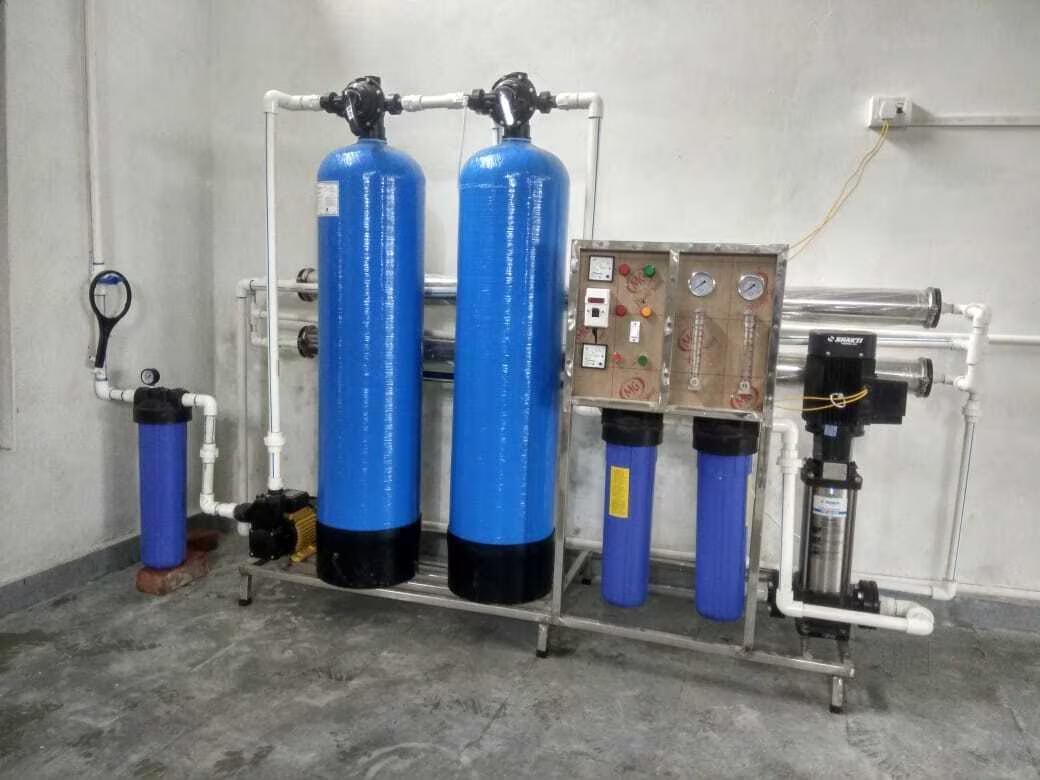
Not every home has the same water challenges, so treatment systems vary considerably. Some households use water softeners to reduce hardness, while others rely on whole-home filtration systems to address sediment, chlorine, iron, sulfur odors, or other concerns.
Reverse osmosis systems are commonly installed at a drinking-water tap, while larger filtration units can treat water throughout the house. Each system has its own maintenance requirements.
This is why it’s worth knowing what equipment you actually have. Keep the installation paperwork, model information, and maintenance instructions somewhere easy to find. It sounds boring, perhaps, but that little folder can save a surprising amount of time when something needs attention.
It’s also smart to know whether your system uses cartridges, filter tanks, resin, carbon, or other treatment media. Understanding the basics makes it easier to recognize when something isn’t operating normally.
Salt Delivery Is More Than a Convenience
For households using a traditional salt-based water softener, salt is an essential part of the treatment process. When the brine tank runs low, the system may eventually lose its ability to regenerate properly.
That’s where dependable salt delivery becomes useful, particularly for busy households, larger properties, or people who simply don’t want to keep checking the salt level. Regular deliveries can help prevent the system from being accidentally left without enough salt.
Still, more salt isn’t always better. Pouring excessive amounts into a brine tank can make monitoring harder and may not improve performance. Follow the equipment manufacturer’s recommendations and keep an eye on the salt level between deliveries.
If salt seems to disappear unusually quickly, that’s worth investigating. Increased usage can sometimes be explained by higher household water consumption, but it may also indicate a setting issue or equipment problem.
Filters and Media Don’t Last Forever
One of the most overlooked parts of water treatment maintenance is replacing worn or exhausted filtration components. Filters collect particles and contaminants over time. Eventually, they reach a point where they can no longer perform as effectively as they once did.
Depending on the system, filter/media changes may be needed every few months, annually, or according to water usage and testing results. There isn’t one universal replacement schedule.
For example, a household with heavily sediment-laden well water may need more frequent attention than a home with relatively clean municipal water. Similarly, a filter serving several people may reach its capacity sooner than one used by a single person.
Waiting until water tastes bad or pressure drops significantly isn’t ideal. A planned replacement schedule is generally easier and less disruptive.
Watch for Changes in Water Quality
Your senses can sometimes provide an early warning, although they shouldn’t replace proper water testing.
Notice a rotten-egg smell? That may point toward hydrogen sulfide or another water-quality issue. A metallic taste or reddish staining can be associated with iron. White scale around faucets often indicates hard water minerals.
Changes don’t always mean the treatment equipment has failed. Seasonal groundwater changes, plumbing conditions, or changes in the source water can also influence quality.
When something seems different, testing the water can help identify what’s actually happening rather than relying on guesswork. That distinction matters because the right treatment depends on the contaminant or water characteristic involved.
Small Maintenance Habits Make a Difference
You don’t need to become a water-treatment expert to look after your system. A few simple habits can go a long way.
Check the equipment periodically for leaks, unusual sounds, or signs of corrosion. Make sure access areas aren’t blocked by boxes or stored household items. Keep an eye on filter replacement dates and salt levels if your system uses a brine tank.
It can also help to write down maintenance visits and replacement dates. A note on your phone works perfectly well. That way, you’re not trying to remember whether the filter was changed “sometime last year.”
And don’t ignore small changes. A gradual drop in water pressure may seem harmless, but it can be an early sign that a filter is becoming clogged or another component needs attention.
When Professional Help Makes Sense
Some maintenance tasks are straightforward, but others are better left to trained professionals. If a system repeatedly loses pressure, leaks, fails to regenerate, produces unusual noises, or stops improving water quality, professional inspection is a sensible next step.
Technicians can test equipment performance, inspect internal components, check programming, and determine whether a repair or replacement is actually necessary. That last part matters. Replacing an expensive system when a relatively simple repair would solve the problem isn’t a great use of money.
Professional help is especially valuable when the water issue is persistent or when the system involves several treatment stages. A qualified technician can look at the whole setup instead of treating one symptom in isolation.
Think of Maintenance as Prevention
Water treatment equipment isn’t glamorous. Nobody gets excited about checking a filter cartridge or scheduling a service visit. But the payoff is pretty practical: better consistency, fewer unpleasant surprises, and equipment that’s more likely to perform as intended.
The best approach is usually simple. Know what your system does, understand its basic maintenance needs, keep up with consumable components, and pay attention when something changes.
Clean water shouldn’t be something you think about only after a problem appears. A little routine care, some sensible monitoring, and professional assistance when needed can keep your home’s water system quietly doing its job for years to come.