Keeping Your Water Treatment System Working Better for Longer

Clean, reliable water is easy to appreciate when everything is working properly. You turn on the tap, take a shower, run the dishwasher, and get on with your day. But once a water treatment system starts making strange noises, producing inconsistent results, or simply stops doing its job, you realize how much you depend on it.
Like most equipment around the house, a water softener, filtration system, or purifier needs a little attention over time. It doesn’t have to become a major chore, though. With sensible maintenance, timely attention to small problems, and a little knowledge about your equipment, you can often keep the system performing well and avoid unnecessary expenses.
Why Regular Attention Matters
Water treatment equipment works continuously. Every shower, load of laundry, and glass of water puts the system to work. Minerals, sediment, and other substances removed from the water don’t simply disappear; they collect in filters, tanks, membranes, or other components.
Over time, neglected equipment may become less efficient. Water pressure can change, unpleasant tastes or odors may return, or a softener may stop producing the results you expect.
Regular maintenance helps catch these changes before they turn into bigger headaches. It’s similar to changing the oil in a car. You might not notice anything wrong today, but ignoring basic care for years isn’t exactly a winning strategy.
Know What Your System Needs
Not every water treatment system has the same requirements. A reverse osmosis unit, for example, doesn’t need exactly the same care as a traditional water softener.
Depending on the equipment installed in your home, routine tasks may include replacing filters, checking salt levels, inspecting connections, cleaning components, or monitoring system performance.
It’s worth keeping the manufacturer’s instructions somewhere accessible. If you’ve lived in the house for several years, that paperwork may be hiding in a drawer, but finding it can save some guesswork later.
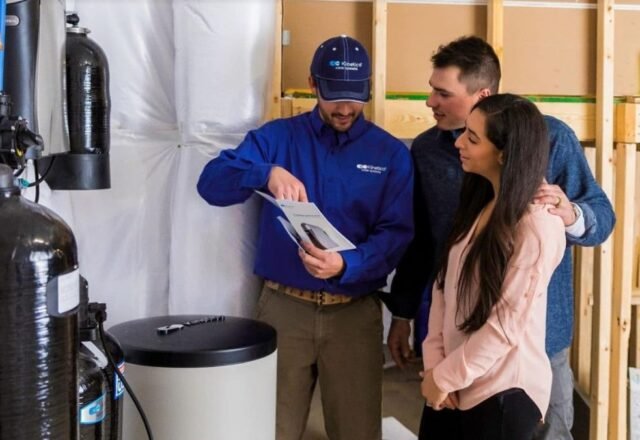
A professional can also explain which tasks you can handle yourself and which ones should be left to a trained technician.
Don’t Ignore Small Warning Signs
Water treatment problems rarely announce themselves with a dramatic bang. More often, there are subtle clues.
Maybe the water doesn’t feel as soft as it once did. Perhaps your glasses are developing spots again, the system cycles more frequently, or the water pressure seems weaker than normal.
These signs don’t necessarily mean something is seriously wrong. A clogged filter or depleted treatment media could be the simple explanation.
Still, it’s better to investigate early. Delaying repairs can sometimes allow a relatively inexpensive issue to affect other parts of the system.
A quick inspection today may save you from a much larger service bill later. That’s not always exciting, but it is practical.
Filters Are Small but Important
Filters are among the most overlooked parts of many treatment systems. They’re easy to forget because they’re tucked away and out of sight.
The problem is, a filter that’s overdue for replacement can become less effective and may restrict water flow. Some filters have recommended replacement schedules, while others should be changed based on water usage and actual performance.
Don’t assume that waiting until water quality becomes noticeably poor is the best approach. By then, the filter may have been struggling for quite a while.
Marking replacement dates on a calendar or setting a reminder on your phone can make this surprisingly easy.
What About Water Softeners?
Water softeners have their own maintenance habits. Salt-based systems, for instance, need an adequate supply of salt to regenerate properly. The brine tank should also be checked periodically for problems such as bridging or unusual buildup.
If your softener uses significantly more salt than expected, regenerates too often, or doesn’t seem to be reducing hardness effectively, something may need attention.
Sometimes the cause is simple. Other times, a valve, control setting, resin bed, or another component may require professional inspection.
The important thing is not to keep adjusting settings randomly and hope for the best. A proper diagnosis usually gets you to the answer faster.
When Repair Makes More Sense Than Replacement
A common question homeowners face is whether to repair an existing system or replace it completely.
There’s no universal answer. If the system is relatively new and the problem involves a replaceable component, a repair may be the obvious choice. But older equipment with repeated failures can become expensive to keep alive.
Consider the system’s age, repair history, efficiency, warranty status, and availability of replacement parts. Also think about whether your water quality needs have changed since the system was installed.
Sometimes the equipment isn’t “bad” — it’s simply no longer the best match for the household.
The Practical Value of System Trade-Ins
Technology changes, and older water treatment systems can eventually fall behind newer designs. Newer equipment may offer improved controls, better efficiency, easier monitoring, or more suitable treatment capabilities.
For homeowners considering an upgrade, system trade-ins may help reduce the financial burden. Some providers offer incentives for replacing older equipment with newer systems, although the exact terms vary.
Before accepting a trade-in offer, compare the complete cost. Ask about installation, removal of the old system, warranty coverage, ongoing maintenance, and financing if applicable.
A trade-in can be useful, but it shouldn’t be the only reason you choose a particular system.
Professional Service Can Prevent Guesswork
There are plenty of simple tasks homeowners can manage themselves. Checking salt, changing an accessible filter, and looking for obvious leaks are good examples.
More complicated issues are another story.
If the system is leaking, producing unusual noises, losing pressure, or failing despite normal maintenance, professional service is usually the safer route. Trying to dismantle equipment without understanding how it works can turn a minor problem into an expensive one.
A qualified technician can test components, identify the cause, and recommend the most sensible fix instead of relying on trial and error.
A Little Care Goes a Long Way
Water treatment equipment isn’t something you should have to think about every single day. But ignoring it completely isn’t a great idea either.
Keep track of filter changes. Check the system occasionally. Pay attention to changes in water quality. Deal with unusual noises or performance problems early. And when the equipment reaches the point where repairs no longer make financial sense, consider upgrading rather than endlessly patching it.
Good water treatment is a long-term investment in everyday comfort and household equipment. With a bit of care and timely attention, your system can continue doing its job quietly in the background — which, really, is exactly how most homeowners want it.