How to Plan an Exterior Remodeling Project That Lasts
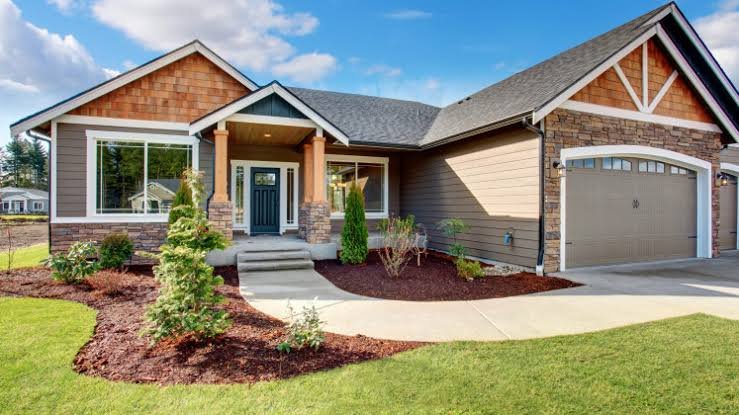
An exterior remodel can change the way a home feels before you even walk through the front door. A fresh façade, updated siding, a new entryway, or a carefully designed outdoor living space can make an older property feel welcoming again. But there’s more to it than choosing a paint color and calling a contractor.
A successful remodel starts with a clear idea of what the house needs, what you want to improve, and how much you’re realistically prepared to spend. The best projects balance appearance with durability, comfort, maintenance, and long-term value. In other words, you’re not just making the house look better. You’re helping it stand up to years of weather, everyday use, and changing needs.
Start With the Problems, Not Just the Look
It’s tempting to begin with inspiration photos. They’re fun, after all. But before falling in love with a particular style, walk around the property and look closely at its current condition.
Check the siding for cracks, warping, rot, or loose sections. Look at the roofline, gutters, windows, doors, trim, and foundation. Pay attention to areas where water collects or where previous repairs appear to have been made. Small issues can sometimes point to bigger problems hiding underneath.
This step matters because cosmetic improvements won’t solve structural or moisture-related concerns. If water is getting behind the siding, for instance, covering it with something new could make the eventual repair more expensive.
A professional inspection can be particularly useful when a home is older or has been through years of harsh weather. Knowing what you’re dealing with makes the rest of the planning process much easier.
Decide What the Project Actually Includes
“Exterior remodeling” can mean almost anything. For one homeowner, it might mean replacing siding and painting the trim. For another, it could include new windows, a front porch, landscaping, lighting, roofing, and an outdoor kitchen.
That’s why creating a scope of work early is so important.
Make two lists: what needs to be done and what you’d simply like to have. Needs should come first. If the siding is failing, replace it before spending heavily on decorative features. If drainage is causing problems around the foundation, address that before building a beautiful patio.
You may also want to divide the work into phases. A large renovation doesn’t necessarily have to happen all at once. Completing the most important improvements first can make the project more manageable financially while still moving the home in the right direction.
Choose Materials for Your Climate and Lifestyle
Good-looking materials aren’t automatically good materials. Exterior products have to deal with sun, rain, wind, temperature changes, moisture, insects, and everyday wear.
Think about your local climate when comparing options. Some materials may perform beautifully in dry conditions but require more attention in wet or humid environments. Others may cost more initially but need less maintenance over time.
Your lifestyle matters too. If you don’t have much time for upkeep, low-maintenance siding, durable trim, and weather-resistant finishes may be worth paying for. If you enjoy gardening and outdoor entertaining, you might prioritize a porch, deck, or patio instead.
This is one place where spending a little more for quality can make sense. The goal isn’t to choose the most expensive product. It’s to choose something appropriate for the house and the conditions it will face.
Think About Energy Efficiency While You’re There
An exterior renovation can also be a chance to improve how efficiently your home uses energy.
Older windows and poorly insulated exterior walls can contribute to uncomfortable indoor temperatures and higher heating or cooling costs. If you’re already replacing siding or windows, ask whether additional insulation or air sealing should be considered as part of the work.
Even seemingly modest upgrades can make a difference. Better weatherstripping around doors, improved attic insulation, energy-efficient windows, and properly installed siding can help reduce drafts and temperature fluctuations.
These improvements aren’t always the most visually exciting part of a remodel. You won’t necessarily stand outside and admire the insulation. But you’ll notice the difference when the house feels more comfortable and your energy bills become a little easier to manage.
Hire the Right Professionals
The contractor you choose can influence the experience almost as much as the materials themselves. A good contractor should communicate clearly, explain the work, provide a detailed estimate, and be willing to answer uncomfortable questions about cost, timing, and potential problems.
Ask about licensing, insurance, experience, references, and warranties. Don’t be afraid to request examples of similar projects. A contractor who regularly handles the type of work you’re planning will usually understand the practical challenges better than someone who simply says they can “do a bit of everything.”
Also, don’t make your decision based solely on the lowest estimate. A suspiciously cheap bid can leave out important preparation, quality materials, proper installation, or cleanup. Sometimes the cheapest quote is only cheap until the first surprise appears.
Look for Value Beyond the Initial Price
A renovation is an investment, but that doesn’t mean every expensive upgrade will automatically increase a home’s value. Think about improvements that make sense for the property and the neighborhood.
A refreshed entrance, attractive siding, functional outdoor space, improved lighting, and well-maintained landscaping can create a strong first impression. More importantly, practical improvements can make the home more enjoyable while you still live there.
It’s also worth asking contractors about exceptional results they’ve achieved on comparable homes rather than simply asking whether a material is “the best.” Real examples often tell you more than a sales pitch. Photos, references, and details about how a project has performed over time can help you make a more informed decision.
Don’t Ignore the Small Details
Exterior design often comes together through small choices. House numbers, lighting fixtures, door hardware, trim colors, shutters, landscaping borders, and even mailbox placement can change the overall appearance.
The trick is not to overdo it.
Choose a few elements that complement the architecture instead of trying to make every feature stand out. A simple, cohesive design usually ages better than one built around too many competing trends.
Consider how the exterior will look in five or ten years, too. Trends come and go. A timeless base with a few personality-driven details gives you room to update things later without starting over.
Protect Your Investment After the Work Is Finished
Once the contractors leave and the dust settles, maintenance becomes your responsibility. Fortunately, regular upkeep doesn’t have to be complicated.
Clean gutters regularly, inspect siding and trim, check caulking around windows and doors, keep plants away from vulnerable surfaces, and look for early signs of water intrusion. Catching a small issue early is almost always easier than repairing the damage after several seasons.
When comparing contractors or products, ask specifically about superior warranties and what those warranties actually cover. A long warranty sounds impressive, but the details matter. Understand whether labor is included, how claims are handled, and whether regular maintenance is required to keep coverage valid.
Give Yourself Room in the Budget
Even carefully planned remodeling projects can uncover surprises. Old homes especially have a way of revealing something unexpected once walls, siding, or trim are removed.
Build a contingency amount into your budget from the beginning. That way, an unforeseen repair doesn’t immediately force you to abandon an important part of the project.
It can also help to price the project in stages. Get clear numbers for essential repairs, major upgrades, and optional improvements. If the final estimate is higher than expected, you’ll know what can wait and what really shouldn’t.
A thoughtful budget isn’t about predicting every penny. It’s about giving yourself enough breathing room to make sensible decisions when reality doesn’t quite match the original plan.
A Better Exterior Starts With Better Planning
The most satisfying exterior remodels aren’t necessarily the biggest ones. They’re the projects where the homeowner understands the property’s weaknesses, chooses suitable materials, works with dependable professionals, and makes decisions with the future in mind.
Whether you’re updating a tired front entrance or planning a complete exterior remodeling project, try not to rush the exciting part. Take time to inspect, compare, budget, and prioritize. Your home will have to live with those choices long after the contractors pack up their tools.
And honestly, that’s the real measure of a successful remodel: not just how good it looks on day one, but how well it continues to look, perform, and feel like home years later.