Better Water Quality Starts With Understanding What Your Home Really Needs
Water is one of those everyday things we rarely think about until it starts causing trouble. A glass of water may look completely clear, yet the taste can be off, faucets may develop white buildup, laundry can feel strangely stiff, or appliances may seem to collect scale faster than they should.
None of these issues necessarily means something is seriously wrong. But they are good reasons to pay closer attention to your home’s water.
The right treatment solution depends on what is actually in the water, how much you use, and what you want to improve. There’s no magic system that works perfectly for every property. Sometimes the simplest solution is the best one.
Start With a Water Test
Before shopping for treatment equipment, understand your water first. This sounds obvious, but it can save a lot of money and frustration.
Water hardness, chlorine, sediment, iron, sulfur, dissolved minerals, and other characteristics can all affect water quality. Private well water can be particularly variable, while municipal water may still develop taste or plumbing-related issues before it reaches your faucet.
A professional water test gives you a clearer picture. Instead of guessing which equipment you need, you can choose a system based on actual conditions.
That’s a much smarter place to start.
Hard Water Can Be More Than an Annoyance
Hard water is common in many areas and usually contains elevated levels of calcium and magnesium. These minerals aren’t necessarily dangerous at typical levels, but they can be a real nuisance around the house.
You might see chalky deposits around faucets, showerheads, and glassware. Soap may not lather as easily. Clothes can feel less soft after washing, and appliances that heat water may gradually develop mineral scale.
Over time, these small inconveniences can become expensive maintenance headaches.
This is where Iron & Sulfer Filtration Systems and other specialized treatment options may become relevant, particularly when water contains additional issues such as iron or sulfur-related odors. The right filtration approach depends on the actual chemistry of the water, so testing is important before choosing equipment.
Not Every Home Needs a Salt-Based Solution
Traditional water softeners can be highly effective for reducing hardness, but some homeowners prefer alternatives. Maybe they don’t want to handle salt, perhaps they have limited space, or they simply want a different approach to managing scale.
Salt-Free Water Conditioners can be an option for certain homes where reducing scale formation is the primary objective rather than physically removing hardness minerals from the water.
It’s important to understand the distinction. A salt-free conditioner generally doesn’t soften water in the traditional sense. Instead, certain technologies condition minerals so they are less likely to form problematic scale.
That difference matters when you’re comparing systems. A good water professional should explain what a system actually does rather than relying on vague promises.
Think About What You Notice Every Day
Water quality isn’t only about laboratory numbers. Your daily experience matters too.
Maybe your morning coffee tastes slightly bitter. Perhaps your shower leaves your skin feeling dry. Or maybe you’re tired of cleaning cloudy spots from your glasses.
These observations can help identify what deserves attention.
For example, taste and odor problems may call for filtration designed to address specific substances, while hardness-related scale may require conditioning or softening. Sediment can require another type of filtration altogether.
In other words, don’t treat every water problem as if it’s the same problem.
Your Appliances Use the Same Water You Do
One often-overlooked benefit of water treatment is protecting water-using appliances.
Water heaters, washing machines, dishwashers, coffee makers, ice makers, and other equipment all depend on the same water entering your property. If that water carries significant mineral content, scale can accumulate inside components over time.
That doesn’t mean every appliance needs a treatment system of its own. A properly selected whole-home solution may help address the issue at the source.
And honestly, preventing a problem is usually easier than dealing with a broken appliance later.
Choosing a Dealer Matters Too
The equipment itself is only part of the decision. Installation, sizing, maintenance, and after-sales support can make a big difference in how well a water treatment system performs.
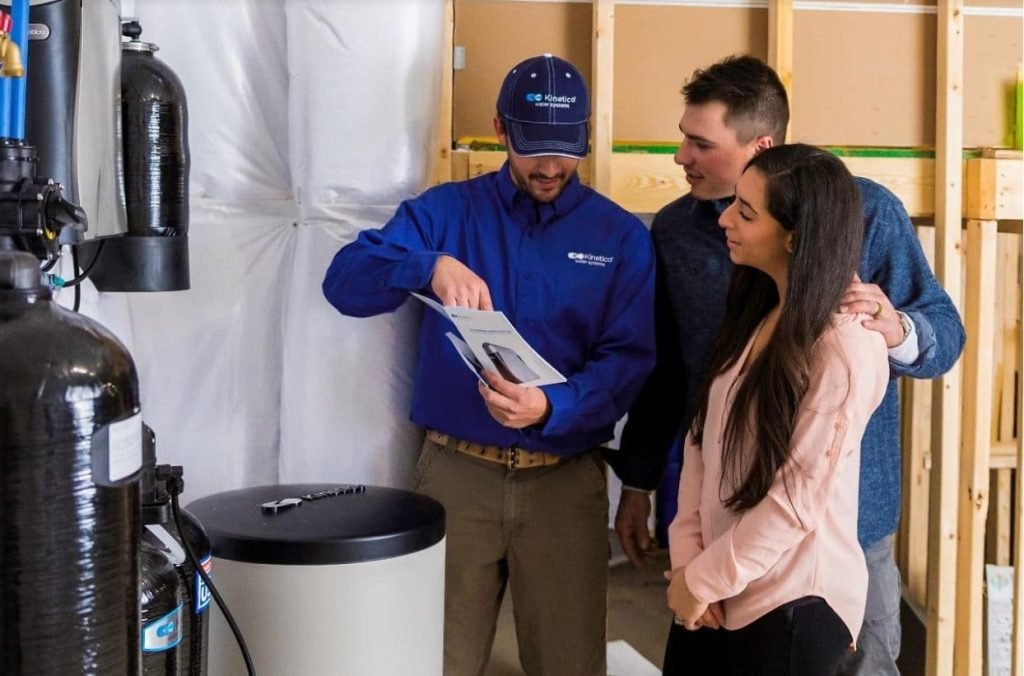
Working with an Authorized, Independent Kinetico Dealer can give homeowners access to product expertise and professional guidance when evaluating treatment options.
An independent dealer can also help look at the bigger picture rather than simply installing equipment without considering the property’s water conditions.
Before buying, ask questions. What does the system remove or reduce? How often does it need service? What happens when filters or other components need replacement? What kind of warranty and support are available?
A trustworthy professional won’t mind explaining the details.
Don’t Choose Based on Price Alone
It’s tempting to compare water-treatment systems by looking only at the purchase price. But that number doesn’t tell the whole story.
Consider installation costs, replacement parts, maintenance, operating requirements, expected lifespan, and the amount of water your household uses.
A cheaper system that needs frequent attention may eventually cost more than a better-suited system with straightforward maintenance.
The opposite can also be true. Paying more for features you don’t actually need isn’t smart either.
The goal isn’t to buy the most expensive equipment. It’s to buy the equipment that makes sense.
A Good System Should Fit Into Your Routine
One of the best signs of a well-chosen treatment system is that you stop thinking about it.
You shouldn’t have to constantly adjust something, worry about whether it’s working, or remember a complicated process just to get better water.
Convenience matters, especially in a busy household. Families have enough to remember already — school schedules, groceries, work, appointments and the mysterious location of everyone’s missing socks.
Water treatment should be relatively simple.
Look at the Long-Term Picture
Water quality improvements can be worthwhile, but expectations should stay realistic. Treatment systems aren’t a substitute for professional water testing or a guarantee against every possible plumbing problem.
What they can do is address specific water-quality concerns when properly selected and maintained.
That’s why the process matters. Test the water. Identify the problem. Compare suitable technologies. Understand maintenance. Then choose equipment that fits your household and budget.
It may take a little more effort at the beginning, but it can prevent plenty of guesswork later.
The Bottom Line
Better water doesn’t necessarily come from buying the biggest or most complicated treatment system available. It comes from understanding your water and choosing a solution designed for the problem you’re actually experiencing.
Whether you’re dealing with mineral scale, unusual odors, unpleasant taste, or simply want more control over your home’s water quality, a thoughtful approach can make a noticeable difference.
In the end, the best water treatment system is the one that quietly does its job while making everyday life a little easier. You turn on the tap, fill your glass, and don’t have to think twice about it.