Water Line Wonders: When Your Plumbing Needs More Than a Quick Fix
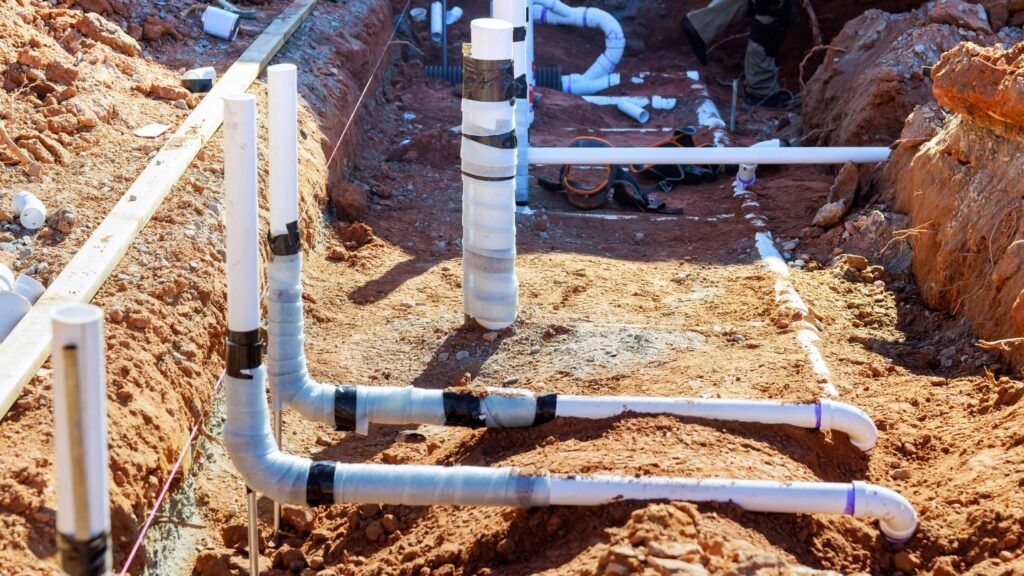
Most people don’t think much about the pipes behind their walls or beneath the yard. And honestly, that’s probably a good thing. Plumbing is one of those parts of a home you notice mainly when something goes wrong. A strange smell from a drain, a wet patch in the yard, or a sudden drop in water pressure can turn an ordinary Tuesday into a very inconvenient one.
Understanding a little about your plumbing system, though, can save you money and plenty of frustration. From aging supply pipes to damaged sewer connections, the right repair at the right time can prevent a small problem from becoming a major household headache. Sometimes the answer is a simple repair. Other times, the pipes themselves have reached the end of their useful life.
Getting to Know the Pipes Beneath Your Home
A residential plumbing system is doing far more work than it gets credit for. Clean water has to travel from its source to faucets, showers, appliances, and toilets, while wastewater needs a reliable route away from the house.
That’s where water line wonders become especially interesting. Water lines may run through walls, under floors, across crawl spaces, or underground in the yard. When they develop leaks or corrosion, the symptoms aren’t always obvious. You might notice weak water pressure, unexplained increases in your water bill, damp areas, or even moldy odors before you ever see a visible leak.
Older homes can be particularly tricky. Materials used decades ago may be more vulnerable to corrosion, mineral buildup, or deterioration. A plumbing professional can often identify these warning signs before they turn into a much bigger repair.
When a Water Line Problem Needs Attention
A dripping faucet is annoying, but a hidden water line leak is a different animal. Even a relatively small leak inside a wall or beneath a foundation can cause structural damage over time.
Watch for a few common clues:
- Water pressure that suddenly drops
- Damp or discolored areas on walls or ceilings
- Unexplained increases in water usage
- The sound of running water when everything is turned off
- Cracks, puddles, or unusually wet areas around the property
- Water that looks rusty or has an unusual taste
None of these signs should automatically cause panic. Homes have quirks, and plumbing symptoms can overlap. Still, ignoring them for months isn’t a great strategy.
Early inspection is usually less disruptive than emergency repair. A plumber may use pressure testing, cameras, acoustic equipment, or other diagnostic methods to locate the source without tearing apart half the house.
Sewer Problems Are a Different Kind of Trouble
Water supply issues bring clean water in. Sewer systems take wastewater out. When the sewer side develops a problem, the consequences can get unpleasant very quickly.
Slow drains are often brushed aside as a minor inconvenience. Sometimes they are. But if several drains throughout the home begin slowing down at roughly the same time, there may be a deeper issue in the main sewer line.
Professional sewer line services can address problems such as blockages, tree-root intrusion, cracked pipes, collapsed sections, and deteriorating sewer connections. Modern plumbers can frequently inspect underground sewer lines with specialized cameras, giving homeowners a much clearer picture of what’s actually happening.
That matters because guessing can get expensive. Digging up a yard without knowing where the damage is, or replacing a section that isn’t actually the problem, wastes both time and money.
Repair, Replace, or Rethink the Whole System?
One of the biggest plumbing decisions homeowners face is whether to repair a damaged pipe or replace it.
If the pipe is generally healthy and the problem is isolated, repair may make perfect sense. But repeated leaks tell a different story. Fixing one weak section only to have another fail a few months later can become a frustrating cycle.
This is where repiping services can make sense for older or severely deteriorated plumbing systems. Repiping involves replacing some or all of the existing water supply piping with newer materials. It’s a bigger project than patching a leak, naturally, but it can provide a more dependable long-term solution when the existing system has widespread problems.
A professional assessment should come first. Repiping isn’t automatically the right answer just because a home is old. The condition of the pipes, their material, accessibility, water quality, previous repair history, and budget all matter.
Don’t Forget About Hard Water and Mineral Buildup
In areas with hard water, plumbing systems face another slow-moving problem: minerals.
Calcium and magnesium can accumulate inside pipes, fixtures, water heaters, and appliances. Over time, that buildup can restrict water flow and make equipment work harder. You may notice chalky deposits around faucets or showerheads, or find that your water heater isn’t performing as efficiently as it once did.
Hard water doesn’t necessarily mean your plumbing is failing. But if mineral buildup is severe, it can contribute to reduced performance and premature wear.
Water testing can help determine whether hardness or another water-quality issue is contributing to your plumbing troubles. Depending on the results, filtration or water-softening equipment may be worth considering alongside plumbing repairs.
Why DIY Plumbing Fixes Have Their Limits
There’s nothing wrong with handling a simple plumbing task yourself. Replacing a washer or cleaning a faucet aerator is one thing. Opening a wall to chase a suspected leak is another.
Plumbing mistakes can be surprisingly costly. A poorly fitted connection may hold for days before suddenly failing. An incorrect repair around a sewer line can create sanitation concerns. And underground plumbing is especially unforgiving because the damaged section may be impossible to see without proper equipment.
When the problem involves hidden pipes, sewer lines, recurring leaks, low pressure throughout the house, or significant water damage, calling a qualified plumber is generally the safer move.
The goal isn’t to make every plumbing problem sound like an emergency. It’s about knowing when a quick fix has stopped being enough.
A Little Maintenance Goes a Long Way
Plumbing systems don’t need constant attention, but they do benefit from occasional care.
Keep an eye on water bills. Know where your main shutoff valve is. Pay attention to changes in pressure, drainage, and water appearance. Don’t ignore recurring clogs or unexplained dampness simply because the problem disappears for a week.
It also helps to have plumbing inspections performed when buying an older home or planning a major renovation. Finding deteriorating pipes before new flooring, cabinets, or walls are installed can save a serious amount of trouble later.
Good plumbing is mostly invisible. That’s the point. When everything works quietly in the background, you shouldn’t have to think about it.
But when the warning signs start appearing, listen to them. A small plumbing issue dealt with early can often remain just that — a small issue. Left alone, it can become the kind of repair that takes over your weekend, your budget, and your patience.
Sometimes the smartest plumbing decision isn’t fixing what’s broken. It’s understanding why it broke in the first place, and choosing a solution that keeps your home running reliably for years to come.