Making Water Management Easier for Homes and Businesses

Water systems don’t usually get much attention when everything is working properly. You turn on a tap, fill a tank, run a business, and carry on with your day. It’s only when something goes wrong — poor water quality, an overflowing tank, mineral buildup, or an unexpected equipment problem — that you realize how much you depend on a reliable water system.
That’s why proper water management matters. The right equipment, regular maintenance, and advice from an experienced professional can prevent small issues from becoming expensive headaches. Whether you’re taking care of a family home, a farm, or a commercial property, understanding your options is a good place to start.
Taking Care of Cisterns and Storage Tanks
Water storage tanks play an important role in many properties. They provide a reserve when water demand increases or when supply isn’t always consistent. But a tank that’s forgotten about for years can develop problems of its own.
Sediment can collect at the bottom. Connections may wear out. Valves can stop working properly, and leaks might go unnoticed until they become serious.
Professional Cistern & Tank Services can include inspections, cleaning, repairs, maintenance, and other work designed to keep storage systems functioning properly. Regular attention is especially useful for larger tanks because spotting a minor problem early is generally much easier than dealing with a major failure later.
A clean, well-maintained tank also gives you greater confidence in the water being stored.
Commercial Properties Have Different Demands
Water requirements can be very different in a commercial environment. A restaurant, manufacturing facility, office building, hotel, or agricultural operation may use considerably more water than a typical household.
There can also be stricter operational requirements. A business may need consistent water quality for equipment, production processes, cleaning, or customer-facing services.
That’s where Commercial Water Treatment can become important. Rather than relying on a one-size-fits-all system, commercial treatment should be selected around the property’s actual water source, usage, and quality concerns.
For example, a business dealing with hard water may need to address mineral buildup, while another facility might be more concerned about sediment or specific contaminants. Testing and professional assessment should come before choosing equipment.
Why Water Testing Is Worth Doing
Water can look perfectly clear and still contain substances you’d rather not have in it.
This doesn’t mean you should panic every time your water tastes slightly different. It simply means appearance alone isn’t a reliable way to understand water quality.
Testing can provide useful information about hardness, minerals, metals, bacteria, and other characteristics depending on the type of test performed.
Once you know what you’re dealing with, treatment becomes much more straightforward. Instead of guessing, you can choose a system designed for the actual problem.
That saves money, too. There’s little point installing an expensive system that doesn’t address the issue you have.
Choosing the Right Water Treatment Professional
With so many products available today, homeowners and business owners can easily become overwhelmed. Online shopping makes it possible to compare dozens of systems in minutes, but choosing the right equipment is about more than reading a product description.
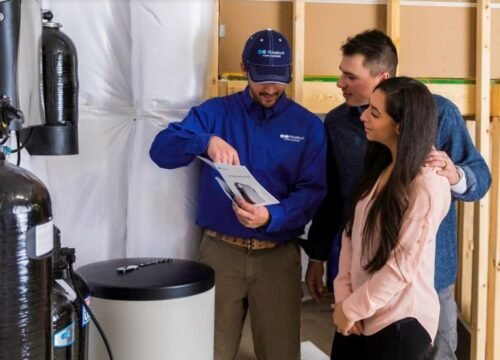
Working with an Authorized Water-Right Dealer can provide access to trained expertise, appropriate equipment, installation guidance, and ongoing support.
The key benefit is having someone who can look at the bigger picture. They can consider your water quality, household or commercial usage, plumbing setup, and long-term requirements rather than simply recommending the most expensive option.
Good advice should feel practical, not pushy.
Installation Is Only the Beginning
Even a high-quality water treatment system needs proper care.
Filters eventually need changing. Components can wear down. Tanks may need cleaning. Connections should occasionally be checked, and certain systems require scheduled servicing to continue operating effectively.
Skipping maintenance can slowly reduce performance without making the problem obvious. You might notice changes in water taste, pressure, or appearance before realizing the equipment itself needs attention.
It’s worth keeping a simple maintenance record. Write down filter replacement dates, inspections, repairs, and any unusual changes in water quality. It takes only a few minutes and can be surprisingly helpful later.
Don’t Choose Based on Price Alone
Cost matters, naturally. But choosing water equipment purely because it has the lowest price can backfire.
A cheaper system may have higher maintenance costs, require more frequent replacement parts, or simply not be designed for your water conditions.
Instead, consider the total cost over time. Look at installation, replacement filters, servicing, expected lifespan, energy or salt use where applicable, and warranty coverage.
Sometimes paying a little more for the right equipment makes financial sense.
Pay Attention to Warning Signs
Certain changes shouldn’t be ignored.
Persistent leaks, unusual odors, cloudy water, sudden pressure changes, recurring sediment, or unusual noises from equipment can all justify a closer inspection.
You don’t necessarily need to call for an emergency every time something looks different. But if a problem keeps returning, it’s better to investigate rather than hoping it disappears.
Water systems are often connected to other parts of a property. A small issue can eventually affect plumbing, appliances, or stored water if it isn’t addressed.
A Smarter Approach to Water Management
Managing water properly isn’t about buying every treatment product available. It’s about understanding your water and choosing solutions that fit your property.
Start with testing where appropriate. Keep storage tanks clean and maintained. Pay attention to changes in water quality. For commercial properties, consider the specific demands of the business rather than copying a residential setup.
And when you’re unsure, professional guidance can save a lot of trial and error.
At the end of the day, good water management is mostly about staying ahead of problems. A little maintenance today can prevent a much bigger inconvenience tomorrow. Whether you’re caring for a home or running a busy commercial property, reliable water treatment and storage aren’t luxuries — they’re part of keeping everyday life moving smoothly.