Better Water at Home: Finding the Right Solution for Every Sip and Every Room
Water is one of those everyday things we barely notice when everything is working well. You turn on the tap, fill a glass, start the coffee maker, run the dishwasher, and move on with your day. Simple.
But when the water tastes strange, leaves spots on glasses, carries an unpleasant smell, or makes you question whether you should drink it, suddenly it becomes impossible to ignore.
That’s when many homeowners begin looking for answers. Some want cleaner water for drinking and cooking. Others are tired of buying plastic bottles every week. A few are dealing with bigger issues that affect showers, laundry, appliances, and plumbing throughout the entire house.
The good news is that there isn’t just one way to improve water quality. Modern treatment and filtration options can be adapted to different needs, homes, and lifestyles. The trick is figuring out what actually makes sense for your household instead of simply buying the first system that promises “pure water” in giant letters.
Start With the Water You Actually Have
Before choosing any filtration equipment, it helps to understand what you’re working with.
Water quality can vary depending on whether your home uses a municipal supply or a private well. Even two houses in the same neighborhood may have slightly different concerns due to plumbing, water usage, or the condition of their individual systems.
Some problems are easy to spot. Hard water may leave white mineral marks on faucets and shower doors. Iron can cause reddish stains. Sediment may make water look cloudy or clog fixtures.
Other issues are less obvious. Water may look perfectly clear but still have an unpleasant taste or odor.
That’s why testing and professional guidance can be valuable. Instead of guessing what might be wrong, homeowners can identify specific concerns and choose a solution based on real information.
It sounds obvious, but this step is often skipped. People sometimes spend hundreds or even thousands on equipment that solves a problem they never actually had.
Making Drinking Water More Convenient
For many households, the biggest priority is simply having better water available for drinking and cooking.
A properly selected Drinking Water System can provide filtered water directly where it is needed most, usually in the kitchen. Depending on the type of technology, the system may help reduce certain substances that affect water quality, taste, or odor.
There are several options available, including under-sink filters, reverse osmosis systems, and other point-of-use technologies. Each works differently, so it’s worth understanding what a particular system is designed to do.
Convenience is a big part of the appeal.
Instead of filling pitchers and waiting for them to filter, or dragging cases of bottled water home from the store, filtered water can be available right from the tap. That can make a surprisingly noticeable difference in daily routines.
Think about how often you use water in the kitchen. Morning coffee. Tea. Pasta. Soup. A reusable bottle before leaving for work. Those small moments add up quickly.
When the water tastes better, people often find themselves reaching for it more often. And honestly, that’s a nice change.
When One Faucet Isn’t Enough
Sometimes the concern extends beyond drinking water.
Maybe chlorine odors are noticeable in the shower. Perhaps sediment keeps appearing in fixtures. Or hard water is leaving buildup throughout the home. In these situations, treating only the kitchen faucet may not solve the larger issue.
That’s where Whole Home Filtration can be a useful option.
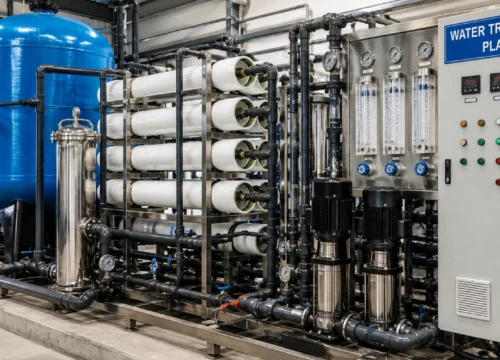
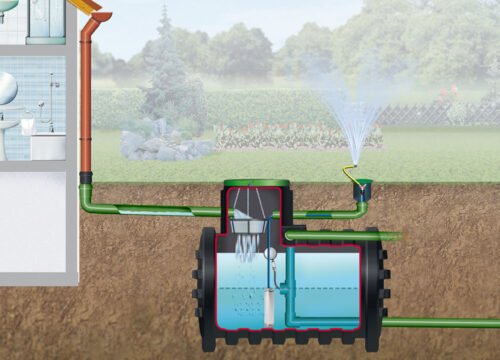
Instead of filtering water at a single point of use, a whole-home system is typically installed where water enters the property. This allows treated water to flow throughout the plumbing system, reaching bathrooms, showers, appliances, laundry areas, and kitchen faucets.
The exact benefits depend on the type of filtration being used and the water conditions. Some systems focus on sediment, while others may address chlorine, odors, iron, or other specific concerns.
The key is matching the system to the problem.
A large filtration unit might sound impressive, but size alone doesn’t guarantee better results. Flow rate, household water usage, the number of people in the home, and the contaminants or minerals present all matter.
In other words, the best system isn’t always the biggest one. It’s the one that fits.
A Smarter Alternative to Bottled Water
Bottled water has become a regular part of life for many families and workplaces. It feels convenient, especially when tap water doesn’t taste particularly appealing.
But there are downsides.
Cases of water are heavy to carry. Empty bottles pile up quickly. Someone has to remember to order more or make another trip to the store. And over time, the cost can quietly become a regular expense that nobody really thinks about.
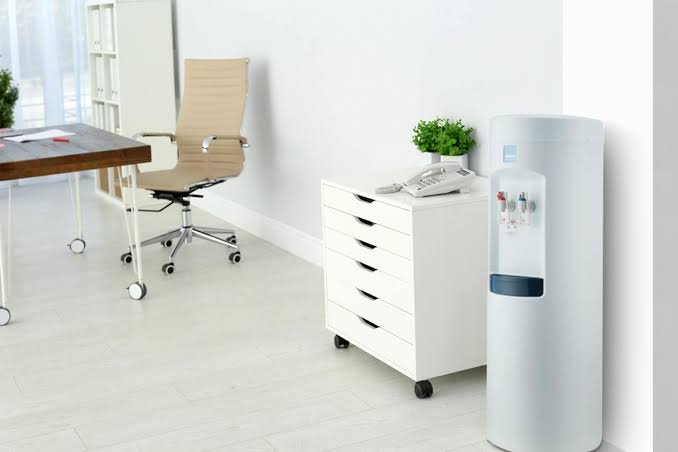
That’s one reason Bottle-Free Water Coolers have become an appealing alternative.
These systems connect to an existing water supply and filter the water before dispensing it. Depending on the model, they may offer chilled, room-temperature, or hot water without requiring the traditional large bottles.
For offices, waiting rooms, gyms, and busy households, this can simplify things considerably. There’s no need to store bulky bottles in a corner or worry about running out at an inconvenient moment.
It can also reduce the amount of single-use plastic associated with packaged water.
Of course, the right filtration setup still matters. A bottle-free cooler is only as effective as the system supporting it, which is why proper installation and regular maintenance are important.
Water Quality Can Affect More Than You Expect
Most people think about water quality in terms of drinking. But water touches almost every part of a home.
Hard water can create scale inside appliances. Sediment may affect water flow over time. Certain minerals can leave stains on sinks and toilets. Chlorine odors may be more noticeable when taking a hot shower.
Then there are the small annoyances that don’t always make it onto a repair list.
Cloudy glasses after the dishwasher runs. Soap that doesn’t lather the way you expect. Shower doors that never seem completely clean. Laundry that feels a little rough.
None of these issues may seem serious on their own, but they can become frustrating when they happen day after day.
The right water treatment approach can help address some of these concerns and make ordinary household tasks a little easier. That might not sound glamorous, but home improvements don’t always need to be glamorous to be worthwhile.
Sometimes you just want your dishwasher to stop leaving spots everywhere.
Maintenance Is Part of Better Water
No filtration system is completely maintenance-free.
Filters eventually reach the end of their useful life and need replacement. Some systems require periodic servicing or cleaning. A whole-home setup may have different maintenance needs than a small under-sink filter.
Before purchasing a system, ask practical questions about ongoing care.
How often will filters need to be changed? Are replacement parts easy to find? Is professional service recommended? What will the approximate long-term cost look like?
These details can make a significant difference.
A system with a low purchase price but expensive replacement filters may cost more over several years than a higher-quality system with predictable maintenance. It’s worth looking at the bigger picture instead of focusing only on the initial price tag.
Choosing What Works for Your Lifestyle
There is no universal “best” water system for every home.
A family primarily concerned about drinking water may be perfectly happy with a point-of-use filter. A larger household dealing with multiple water issues might need broader treatment. An office trying to reduce bottled water waste could benefit from a bottle-free cooler connected to a suitable filtration system.
Sometimes the best solution is even a combination of approaches.
The important thing is to begin with the actual needs of your home or business. Notice the signs. Test the water when appropriate. Understand the results. Then choose equipment that addresses those specific concerns.
Better Water Is a Small Change You Notice Every Day
A new sofa is easy to admire. Fresh paint changes the appearance of a room instantly. Water treatment is different. It tends to work quietly in the background.
But you notice it.
You notice when your morning coffee tastes better. When the kitchen faucet becomes the first place you reach for a drink. When you aren’t carrying heavy cases of bottled water through the house. When cleaning becomes a little easier or the shower feels more pleasant.
Those everyday improvements are often what make a water solution worthwhile.
Better water isn’t about installing the most complicated equipment or chasing a perfect, impossible standard. It’s about understanding your needs and finding a practical solution that works day after day.
Because in the end, water is something you use constantly. Getting it right can make home life feel just a little simpler—and sometimes, those small improvements turn out to be the ones you appreciate most.