Keeping Your Water System Working Well: When Service and Repairs Really Matter
A water treatment system is one of those home investments you tend to forget about once everything is working properly. The water tastes fine, the shower runs normally, and there’s no strange noise coming from the equipment. Then one morning, the pressure drops or the water suddenly smells different, and you’re reminded that even good equipment needs a little attention now and then.
Regular maintenance isn’t glamorous, but it can make a real difference. Whether you have filtration, softening, or another treatment setup, understanding when to arrange maintenance can help prevent small problems from turning into expensive ones.
Small Warning Signs Are Worth Noticing
Water treatment equipment rarely announces a problem with a dramatic failure. More often, there are little clues.
You might notice reduced water pressure, unusual noises, changes in taste or odor, visible leaks, or a return of mineral deposits that had previously disappeared. Sometimes the system simply stops performing as well as it used to.
These signs don’t necessarily mean the entire system needs replacing. In many cases, a worn component, blocked filter, valve issue or overdue maintenance may be responsible.
That’s why getting the problem checked early can be worthwhile.
Why Professional Service Matters
Homeowners can handle some basic maintenance tasks, such as replacing certain filter cartridges. But treatment equipment can include valves, tanks, pumps, control systems and plumbing connections that aren’t always obvious to the untrained eye.
Professional service & repairs can help identify the actual source of a problem rather than relying on trial and error. A technician can inspect the equipment, check connections and assess whether individual components are still working as they should.
There’s a practical benefit here: repairing one faulty part is often far more sensible than replacing an entire system unnecessarily.
A Whole-Home System Needs a Whole-Home Approach
A point-of-use filter is relatively simple because it treats water at one location. A whole-home system, on the other hand, affects the water supply throughout the property.
Because it sits within the home’s main plumbing arrangement, problems can potentially affect showers, kitchen taps, bathrooms and appliances. That makes proper inspection especially important.
A technician may look at filter condition, pressure, flow, fittings and other components depending on the type of equipment installed. The exact maintenance process varies from one system to another, so there isn’t really a universal checklist that applies to every household.
Don’t Wait Until the System Stops Working
Preventive maintenance can be a lot less stressful than emergency repairs.
If a filter is overdue for replacement, for example, waiting until water quality noticeably declines isn’t necessarily the best strategy. Similarly, a small leak around a connection may seem harmless today but could become a much bigger nuisance if ignored.
Keeping track of recommended service intervals gives you a simple way to stay ahead of potential problems. It doesn’t mean calling a technician every time something looks slightly unusual. It means paying attention and acting when there’s a genuine reason to do so.
What Happens During an Evaluation?
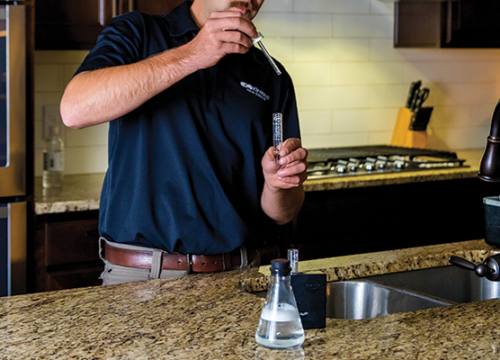
A professional evaluation generally starts with a visual inspection. Depending on the equipment, the technician may examine filters, tanks, valves, fittings, pressure levels and other working components.
If you’re offered a free service evaluation, ask what is actually included. A useful evaluation should give you understandable information about the condition of your equipment and explain any recommended repairs.
You shouldn’t feel pressured to approve every suggestion immediately. If a technician recommends replacing a component, ask why it’s needed, what happens if you wait and whether repair is possible.
Clear answers are a good sign.
Maintenance Can Protect Your Investment
Water treatment equipment isn’t usually purchased on a whim. A quality system can represent a meaningful investment, so keeping it maintained makes financial sense.
Regular servicing can help identify worn components before they cause more significant damage. It can also help the equipment operate closer to its intended performance.
There’s another benefit that’s easy to overlook: knowing your system is being properly maintained gives you confidence. You don’t have to wonder whether that strange noise is normal or whether a filter should have been replaced months ago.
Repairs Versus Replacement
One of the most common questions homeowners have is whether a failing system should be repaired or replaced.
There isn’t one universal answer.
If the equipment is relatively new and the problem is limited to a replaceable component, repair may be the obvious choice. Older systems with discontinued parts, repeated failures or outdated technology may make replacement more practical.
The cost comparison matters, but so does long-term reliability. A cheap repair isn’t necessarily a good investment if another major component is likely to fail shortly afterward.
A qualified technician should be able to explain both options without making the decision feel like a sales contest.
Make Maintenance Part of the Routine
The easiest way to look after a water treatment system is to treat maintenance as part of normal home ownership.
Keep records of filter changes and professional visits. Know which parts need regular replacement. Pay attention to changes in water pressure, taste, odor and appearance. And if something doesn’t seem right, don’t simply hope it’ll disappear.
Good maintenance isn’t about constantly worrying about your equipment. Quite the opposite. It’s about dealing with small things while they’re still small.
The Best System Is One You Can Maintain
A water treatment system should make life easier, not create another household headache.
With sensible maintenance, timely inspections and professional help when necessary, many common problems can be identified before they become serious. Whether you’re maintaining an established installation or considering a new setup, service should be part of the conversation from the beginning.
Clean, treated water is important, but reliable equipment matters too. After all, the best treatment system isn’t just one that performs well when it’s brand new. It’s one that continues doing its job years down the road.