Finding the Right Water Treatment Solution for Your Home’s Everyday Needs

Water has a funny way of becoming invisible in our daily routines. We use it before breakfast, during the morning shower, while making coffee, and again when we’re cleaning the kitchen at night. Most of the time, nobody gives it a second thought. But when water tastes odd, leaves stains behind, or makes you wonder about what’s actually coming from the tap, it suddenly gets your attention.
For homeowners, better water quality isn’t about chasing perfection. It’s about having confidence in something the household depends on every day.
That starts with understanding your water source, identifying the problems that matter, and choosing treatment equipment that actually fits the property. It sounds simple, although there are plenty of options out there that can make the process feel confusing.
A little research can save a lot of frustration.
Every Home Has Different Water Filtration Needs
One of the biggest mistakes homeowners make is assuming that water treatment works the same way everywhere. It doesn’t.
A home using municipal water may have different concerns from a property supplied by a private well. One household might struggle with hard water and scale, while another is mainly unhappy with taste or odor. Some homes may have sediment problems, while others need treatment designed around specific contaminants.
That’s why understanding your water filtration needs should come before choosing a product.
Water testing can provide useful information about what is actually present. Instead of buying a system based on a friend’s recommendation or an advertisement, homeowners can make decisions based on their own water conditions.
It’s a much more sensible approach. After all, you wouldn’t buy prescription glasses because they worked for your neighbor. Water treatment deserves the same kind of individual attention.
Why the Right System Matters
Once the water has been tested, the next step is matching the problem with the right technology.
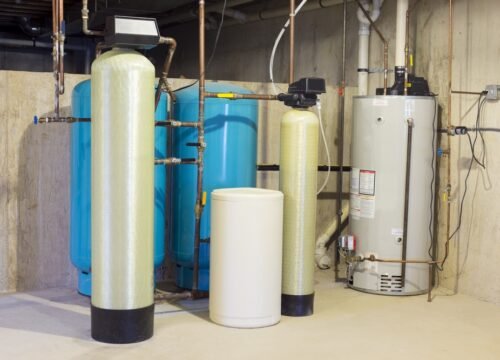
Filtration systems can serve different purposes. Carbon filters, for example, are often used to improve taste and reduce certain substances. Sediment filters can help capture particles. Reverse osmosis systems may be used for drinking-water treatment, while water softeners are specifically designed to address hardness minerals.
The important thing is not to confuse “more filtration” with “better filtration.”
A system with multiple stages might look impressive, but if those stages aren’t addressing the actual problem, you’re paying for technology you don’t really need.
A properly selected system should provide meaningful improvement without turning your utility area into a maze of equipment.
A Familiar Name Can Make the Decision Easier
When homeowners begin researching water treatment, they often encounter many brands, technologies, and product descriptions. It can be difficult to know which claims deserve attention and which are mostly marketing.
For people considering Kenai products, understanding the specific model and its intended application is still important. No matter the brand, homeowners should look at system capacity, filtration technology, maintenance requirements, installation needs, and compatibility with their existing plumbing.
Brand recognition can provide a starting point, but it shouldn’t replace good questions.
What does the system actually remove or reduce? How often do filters need changing? What happens if water usage increases? Are replacement parts readily available? What kind of support is offered after installation?
These details tend to matter much more once the system has been sitting in your home for a few years.
Whole-Home Treatment Can Be Convenient
Some water concerns are limited to drinking and cooking. Others are noticeable throughout the property.
If several faucets have unpleasant taste or odor, or if water quality concerns extend to showers, laundry, and other fixtures, homeowners may want to consider whole-home treatment.
A whole-house filtration system treats water as it enters the property, allowing treated water to travel through the plumbing. That can be convenient because you don’t need separate filters at every faucet.
It can also provide a more consistent approach to household water treatment.
However, whole-home systems need to be sized correctly. Household water consumption, flow rate, plumbing configuration, and the characteristics of the incoming water all matter. A system that is undersized may struggle during busy periods when several fixtures are running at once.
Installation Is More Important Than It Looks
A great piece of equipment can’t perform properly if it’s poorly installed.
Water treatment systems often connect directly to household plumbing, and installation may involve valves, bypass lines, drains, electrical connections, or other components depending on the system.
This is where professional expertise becomes valuable.
Working with highly-trained installation and service technicians can help ensure the equipment is installed correctly and that homeowners understand how to use and maintain it. It also gives you someone to contact when questions come up later.
And they will come up. Maybe a filter light starts blinking. Perhaps water pressure seems different. Maybe you’re unsure whether a component needs replacement.
Having knowledgeable support is reassuring.
Don’t Ignore Maintenance
Water treatment systems aren’t completely maintenance-free.
Filters eventually become saturated. Some equipment requires cleaning or periodic servicing. Water softeners may need salt, depending on the type of system. Reverse osmosis membranes and cartridges also have replacement schedules.
The good news is that routine maintenance is usually manageable when you know what to expect.
Before buying, ask for a maintenance schedule in writing. Find out which parts need replacement and how much those parts typically cost. Ask whether the company provides ongoing service or whether you’ll need to handle everything yourself.
These aren’t glamorous questions, but they’re practical ones.
Look Beyond the Initial Price
It’s natural to compare installation quotes. Nobody wants to spend more than necessary.
Still, the lowest upfront price doesn’t always represent the best value. A cheaper system may require frequent filter changes, have limited capacity, or lack reliable local service. On the other hand, an expensive system isn’t automatically superior.
Value comes from the combination of performance, durability, operating costs, installation quality, and support.
Think about the total cost over several years rather than just what appears on the first invoice.
Better Water Is an Everyday Investment
Water treatment isn’t one of those home improvements that immediately catches the eye. There isn’t a shiny new countertop or dramatic before-and-after photograph.
Instead, the benefits tend to appear quietly.
The water tastes better. The shower feels nicer. Fixtures stay cleaner. You spend less time worrying about what’s coming from the tap. And when the system is properly maintained, it simply does its job in the background.
That’s really what good water treatment should be.
Take time to understand your water, identify the issues that matter, and choose equipment based on those facts. Consider the installation and long-term maintenance just as carefully as the product itself.
Because clean, dependable water isn’t a luxury you use once in a while. It’s part of everyday life—and getting the right solution can make that everyday experience noticeably better.