Cleaner Water Starts With Better Choices at Home
Water is one of those things most of us don’t think about until something seems off. Maybe there’s a strange taste in the morning coffee, a cloudy glass after filling the tap, or white mineral marks collecting around the sink. These little signs can be easy to ignore, but they often point to a bigger question: what’s actually in your water?
Having access to cleaner water isn’t only about making drinking water taste better. Water quality can affect cooking, bathing, laundry, plumbing fixtures, appliances, and the overall comfort of a home. The good news is that improving water quality doesn’t always mean making complicated changes. It starts with understanding the water you have and choosing the right solution for it.
Why Water Quality Can Vary From One Home to Another
Water quality isn’t identical everywhere. Municipal water goes through treatment before reaching homes, while private wells can have very different characteristics depending on local soil, groundwater conditions, and nearby activities.
Even treated water may pick up substances as it travels through pipes. Older plumbing can contribute unwanted metals, while naturally occurring minerals such as calcium and magnesium can create hard water. Chlorine, sediment, iron, sulfur compounds and other contaminants may also affect the way water looks, smells or tastes.
That’s why choosing a filtration product simply because it worked well for a neighbor isn’t always the best approach. Their water chemistry could be completely different.
A water test is a much smarter starting point. It can help identify the specific problems rather than treating everything as if it were the same issue.
What Does Healthier Water Really Mean?
The phrase healthier water can mean different things to different households. For some people, it means reducing chlorine taste and odor. For others, it means addressing sediment, heavy metals, hardness minerals or specific contaminants identified through testing.
It’s important not to assume that every filtration system removes every possible contaminant. Different technologies are designed for different jobs.
Activated carbon, for example, is commonly used to improve taste and odor and reduce certain chemical contaminants. Sediment filters can capture particles such as sand, dirt and rust. Reverse osmosis can provide more intensive filtration for drinking water, while water softeners are designed primarily to reduce hardness caused by calcium and magnesium.
In other words, there isn’t really a one-size-fits-all answer. The best approach depends on the source water, household needs and the contaminants that actually need attention.
Choosing Between Point-of-Use and Whole-Home Filtration
One of the first decisions homeowners face is whether they need filtration at a single tap or throughout the house.
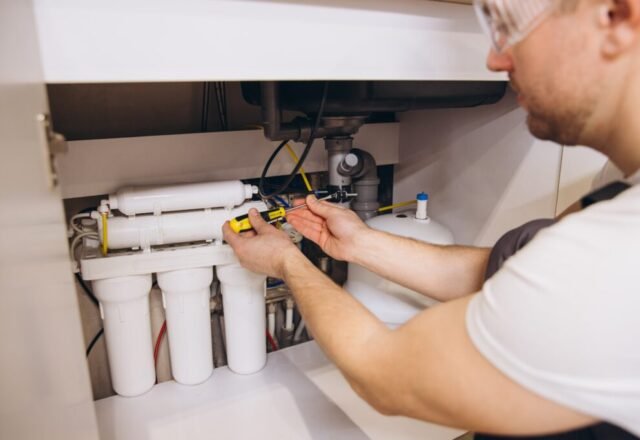
Point-of-use systems are installed where water is consumed, often under a kitchen sink. They can make sense when the main concern is drinking and cooking water. They’re generally smaller and can be a practical option for households that don’t need to treat every gallon entering the property.
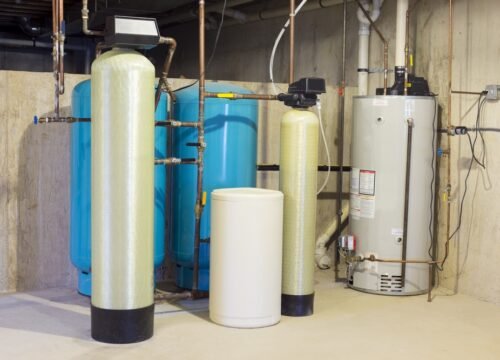
Whole-home filtration takes a broader approach. The system treats water as it enters the home, meaning showers, bathroom faucets, laundry machines and kitchen taps can all receive treated water.
This can be particularly useful when the concern involves sediment, unpleasant odors, chlorine or other issues affecting the entire household. It may also help protect plumbing fixtures and appliances from certain water-quality problems.
Still, bigger isn’t automatically better. A whole-home system needs to be properly sized for the household’s water demand and matched to the actual water conditions.
Hard Water Is More Than an Annoying White Spot
Hard water is incredibly common, and many people first notice it as white buildup around faucets or showerheads. But the effects can go further.
Calcium and magnesium can form scale inside pipes, water heaters, dishwashers and other equipment. Over time, that buildup may reduce efficiency and contribute to maintenance problems. Hard water can also make soap less effective, leaving a filmy feeling on skin and residue on glassware.
A water softener can help by reducing hardness minerals before they circulate through the home’s plumbing. That’s different from a drinking-water filter, though. Softening and filtration solve different problems.
This distinction matters because homeowners sometimes expect one device to handle everything. In reality, a combination of technologies may be appropriate when a property has multiple water-quality concerns.
Don’t Forget the Smell and Taste
Sometimes the problem is obvious the moment a faucet turns on.
A rotten-egg or sulfur-like smell can be associated with hydrogen sulfide in well water. Iron can create metallic tastes or reddish staining, while chlorine can be noticeable in municipal supplies. None of these issues should be diagnosed purely by smell, but unusual changes are certainly worth investigating.
Taste and odor problems can make people reluctant to drink tap water, which often leads to buying bottled water instead. A properly selected filtration system may offer a more convenient long-term alternative, particularly for families that use a lot of drinking and cooking water.
But again, testing matters. The same unpleasant smell can have different causes, and the right treatment depends on what’s actually happening in the water.
Maintenance Is Part of Water Treatment
Buying a filtration system is not the end of the process. It’s really the beginning of a maintenance routine.
Filters have a useful service life. Once they’re saturated or clogged, performance can decline. Some systems also require periodic cleaning, sanitizing, salt replenishment or replacement of specific components.
Ignoring maintenance can turn an otherwise useful system into an expensive piece of equipment that isn’t doing its job properly.
A simple reminder on your phone or calendar can help. Keep track of filter changes, professional inspections and water testing when recommended. It’s not exciting, admittedly, but a few minutes of attention can prevent bigger headaches later.
A Practical Way to Improve Your Home’s Water
If you’re considering a water treatment upgrade, start with the basics rather than shopping immediately.
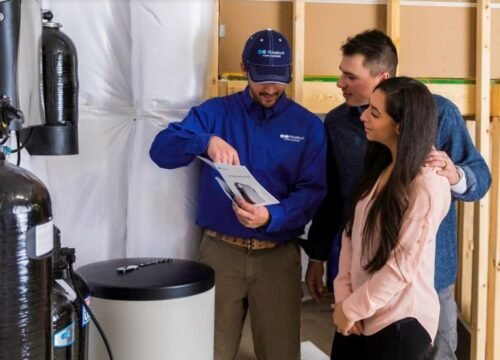
First, identify whether your home uses municipal or well water. Then consider what you’ve noticed: unusual taste, odor, staining, scale, cloudy water or changes in pressure. A professional water analysis can provide more reliable information than guesswork.
From there, compare treatment options based on the specific issue. Look for systems with clear performance information, appropriate certifications where applicable, and installation requirements that fit your home.
The goal isn’t to buy the most complicated equipment. It’s to choose technology that solves the problem you actually have.
Better Water Is a Long-Term Investment
Water touches almost every part of daily life, from the first glass in the morning to the shower at night. When its quality isn’t quite right, the effects can become surprisingly noticeable over time.
Modern water treatment systems can address many common concerns, but the smartest solution starts with knowledge. Test the water, understand the results, choose technology for the specific problem, and keep the equipment maintained.
That approach may sound simple, and honestly, that’s the point. Good water treatment shouldn’t feel mysterious. When the solution is properly matched to the water entering your home, cleaner, more pleasant water becomes less of a luxury and more of an everyday part of comfortable living.