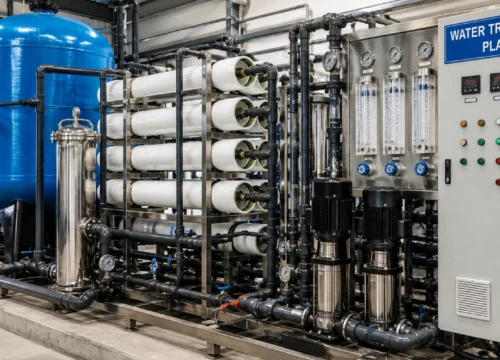
From Free Water Consultation to Long-Term Care: Getting More From Your Water Treatment System
Choosing a water treatment system can feel like a bigger decision than it first appears. There are filters, softeners, purification systems, specialty equipment, and plenty of technical terms that can make the process confusing. Then comes the question most homeowners eventually ask: Who’s going to install it, and what happens if something goes wrong later?
A good water treatment experience shouldn’t end when the equipment is delivered. The best results usually come from a complete approach that begins with understanding your water and continues through installation, routine care, and support when repairs are needed.
Start With a Conversation About Your Water
Before recommending equipment, it makes sense to understand the problem. Is hard water leaving scale around your fixtures? Does your drinking water have an unpleasant taste or odor? Are you concerned about sediment, minerals, or microorganisms?
A free water consultation can be a useful first step because it gives homeowners an opportunity to discuss their concerns without immediately committing to a particular system. Depending on the provider, the consultation may include questions about water usage, household size, existing treatment equipment, and the symptoms you’ve noticed.
It’s a simple idea, really: don’t sell a solution before understanding the problem.
A thoughtful consultation can also help explain what different treatment technologies can and cannot do. That clarity matters, especially when water-quality marketing can sometimes sound too good to be true.
Professional Installation Is More Important Than It Looks
Buying the right system is only part of the job. Installation affects how well the equipment performs and how easily it can be maintained in the future.
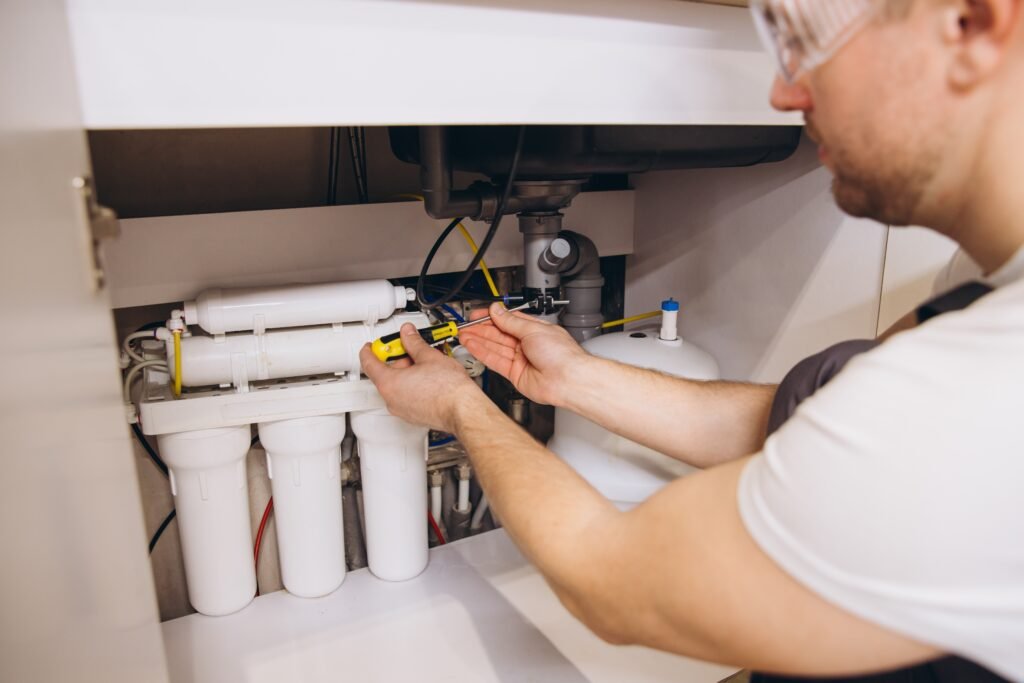
Professional installation helps ensure the system is connected correctly, positioned appropriately, and configured for the property’s water demand. Proper installation can also reduce the likelihood of leaks, poor flow, incorrect connections, or other avoidable problems.
For whole-home treatment systems, installation may involve existing plumbing, drainage, electrical requirements, shut-off valves, and available space. More advanced equipment can have additional requirements.
This is one area where trying to save a little money upfront can sometimes create a headache later. A trained installer understands the equipment and knows what to look for before turning the system over to the homeowner.
Good Installation Should Feel Uncomplicated
From the customer’s perspective, professional installation should be reasonably straightforward. The technician should explain what will happen, protect the surrounding area, install the equipment carefully, and check that everything is functioning before leaving.
It’s also helpful when the installer explains basic operation afterward. You shouldn’t need an engineering degree to understand how to use your water treatment system.
A few minutes of practical guidance can make a big difference: how to recognize normal operation, when filters need attention, what warning signs to watch for, and who to contact if something doesn’t seem right.
Maintenance Keeps Performance on Track
Water treatment equipment works continuously, often without much attention from the homeowner. That convenience is great — until maintenance gets forgotten.
Filters eventually become saturated. Membranes require replacement or cleaning. Other treatment components can wear over time. Depending on the system, routine checks may be necessary to keep everything operating as intended.
Regular maintenance and repair services can help extend equipment life and keep performance more consistent. Preventive maintenance is especially useful because small issues can often be identified before they turn into larger, more expensive problems.
Think of it like servicing a car. You could ignore the oil, tires, and warning lights for years, but that doesn’t mean the vehicle will thank you for it.
Repairs Are Part of Long-Term Ownership
Even a well-designed water treatment system can eventually need repair. Components age. Valves can fail. Connections may develop leaks. Electronic controls can experience problems.
When that happens, having access to knowledgeable service technicians can make the situation much less stressful.
A good repair service should begin with diagnosis rather than immediately replacing parts. Understanding what caused the issue helps determine the appropriate fix and can sometimes prevent the same problem from returning.
For homeowners, this is one of the biggest advantages of choosing a provider that offers ongoing support instead of simply selling equipment and disappearing afterward.
Ask About Service Before You Buy
When comparing water treatment companies, it’s easy to focus on the equipment specifications and price. Those things matter, but service deserves attention too.
Ask what installation includes. Find out whether routine maintenance is available. Understand how repairs are handled and whether replacement filters or parts are readily available.
You might also want to know whether technicians are trained to work with the specific systems being recommended. A company that understands its own equipment is generally better positioned to support it over the years.
These questions don’t take long to ask, and they can tell you quite a bit about what the customer experience will look like after installation.
A Water Treatment System Should Be a Long-Term Investment
The real value of water treatment isn’t just the day the system is installed. It’s the months and years that follow.
You want equipment that continues to perform, a service team that responds when needed, and straightforward advice when questions come up. That combination provides something more valuable than a piece of hardware: confidence.
Whether your goal is to improve drinking water, reduce hard-water problems, protect appliances, or address a specific water-quality concern, start with a proper assessment and choose a provider that stands behind its work.
Better water is important. But knowing that someone is there to help maintain it makes the whole experience considerably easier.