Why Testing Your Water First Can Save You Time, Money, and Trouble
Water is one of those things we tend to trust without thinking much about it. We turn on the faucet, fill a glass, wash vegetables, take a shower, and carry on. But water can look perfectly normal while still containing minerals or other substances that affect its taste, plumbing, and overall quality.
That’s why testing your water is such a sensible first step. Instead of guessing what might be wrong, a proper test gives you useful information about what’s actually happening. And honestly, a little information upfront can prevent a lot of unnecessary spending later.
Start With a Simple Water Test
When homeowners notice a strange taste, odor, staining, or buildup, the first instinct is often to buy a filter. It makes sense, but it may not be the best approach.
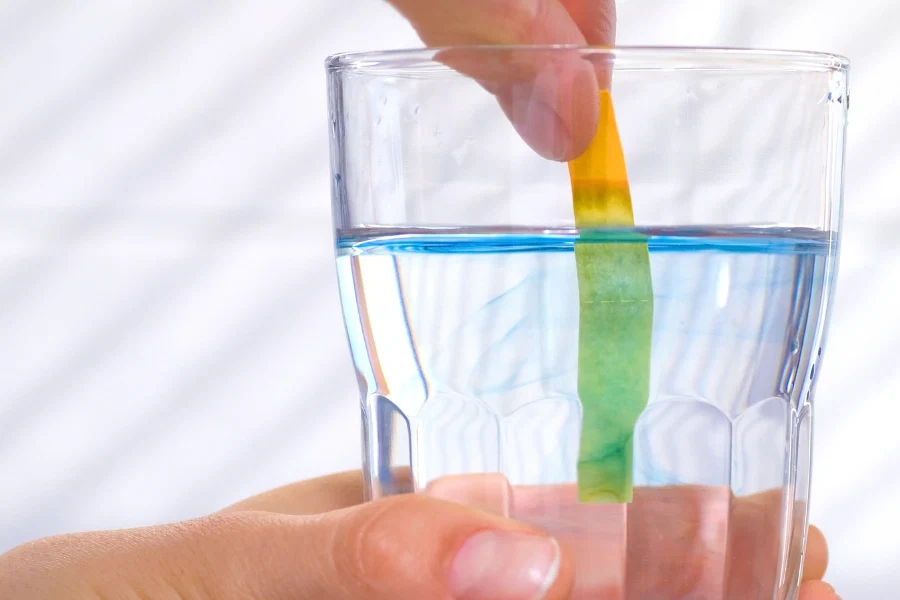
Offering Free Water Tests can make the process much easier for homeowners who aren’t sure where to begin. A water test can reveal characteristics that aren’t obvious just by looking at the water in a glass.
The results can help identify whether the concern involves hardness, acidity, sediment, minerals, or another water-quality issue. From there, it becomes much easier to determine whether treatment is needed and what type of system would actually make sense.
What Does a Water Test Look For?
A water test can measure several different characteristics. The exact testing process depends on the water source and the concerns being investigated.
For example, testing may look at hardness, dissolved minerals, iron, chlorine, bacteria, or other substances. Each result tells a small part of the story.
One measurement people often hear about is pH levels. This indicates how acidic or alkaline the water is. A reading that’s outside the expected range doesn’t automatically mean the water is dangerous, but it can point toward conditions that may affect plumbing, fixtures, or treatment requirements.
That’s why water testing shouldn’t be viewed as simply getting a pass-or-fail result. It’s more like taking a snapshot of your water’s characteristics.
Hard Water Is More Than an Annoyance
If you’ve ever scrubbed white spots from a faucet only to see them return a few days later, you may already be familiar with hard water.
Hard water contains higher concentrations of minerals, particularly calcium and magnesium. These minerals can form scale on fixtures, inside pipes, and within appliances that regularly use hot water.
Over time, mineral deposits can make cleaning more frustrating and may affect equipment performance. A water heater, dishwasher, or washing machine doesn’t exactly appreciate layers of scale building up inside it.
Testing helps determine whether hardness is actually a concern and how significant it is.
Understanding Mineral Content
The phrase mineral content can sound technical, but the basic idea is fairly simple: water naturally picks up minerals as it moves through soil, rock, pipes, or other environments.
Some minerals are harmless and naturally occurring. Others can create taste, odor, staining, or plumbing concerns when present at higher levels.
This is one reason there isn’t a single water treatment system that’s perfect for every home. Two houses a few miles apart can have different water characteristics, especially when they rely on different sources.
Knowing what’s present makes it easier to choose treatment based on evidence rather than marketing claims.
Why Well Water Deserves Extra Attention
Private well owners often have a little more responsibility when it comes to monitoring their water. Unlike a municipal supply, a private well isn’t managed by a public water provider.
Well water can be affected by local geology, groundwater conditions, nearby land use, and seasonal changes. That’s why periodic testing is a smart habit, even if the water has always seemed fine.
A sudden change in taste or appearance shouldn’t be brushed off. Testing can help determine whether the change is connected to minerals, sediment, bacteria, or another factor.
It’s a small task compared with dealing with a serious water problem later.
Testing Can Help You Avoid the Wrong Equipment
One of the biggest advantages of testing is that it can stop you from buying equipment you don’t need.
Imagine a homeowner spends hundreds of dollars on a treatment system because a neighbor recommended it. The neighbor’s water problem might be completely different, though. What worked beautifully for one household may do very little for another.
Water testing creates a more sensible starting point. If the issue is hardness, treatment can focus on hardness. If sediment is the concern, filtration can be selected accordingly. If another contaminant is identified, a different approach may be appropriate.
It’s not as exciting as buying the newest piece of equipment, perhaps, but it’s much more practical.
Don’t Forget About Changes Over Time
Water quality isn’t necessarily frozen in place forever. Conditions can change, particularly with private wells, plumbing modifications, environmental changes, or aging treatment equipment.
A system that performed well several years ago may eventually need maintenance or replacement. Filters become exhausted, components wear down, and water characteristics can shift.
Pay attention to changes in taste, smell, appearance, or staining. They’re not always signs of a major issue, but they’re worth investigating.
Keeping previous test results can also be useful. Comparing new results with older ones may help identify trends that wouldn’t be obvious from a single test.
Professional Guidance Makes the Results More Useful
Getting a water test is helpful, but understanding what the results mean is just as important.
A professional can explain which measurements matter, whether treatment is necessary, and what options are available. They can also consider practical details such as household water consumption, plumbing layout, system maintenance, and budget.
The goal shouldn’t be to install as much equipment as possible. It should be to solve the actual problem.
That distinction matters. Good water treatment is about choosing the right solution, not simply choosing the biggest one.
A Clearer Picture Leads to Better Decisions
Water quality can seem complicated when you’re looking at unfamiliar numbers and technical terms. But the basic process doesn’t have to be difficult.
Test the water. Understand the results. Identify the actual concern. Then choose treatment that fits.
Whether you’re dealing with hard water, mineral buildup, an unusual taste, or simply want a better understanding of your home’s water, testing provides a useful place to start.
After all, you wouldn’t repair a car without checking what’s wrong first. Your water deserves the same common-sense approach. A little testing today can help you make smarter decisions tomorrow, protect your plumbing and appliances, and feel more confident about the water flowing from your tap.