Better Water Starts at Home: Choosing the Right Filtration Solution
Water is one of those things most of us rarely think about until something goes wrong. A strange taste in the morning coffee, white spots around the faucet, dry-feeling skin after a shower, or an unpleasant smell can all be signs that your home’s water needs a closer look. The good news is that improving water quality doesn’t always mean making complicated changes. With the right treatment approach, you can address specific water problems and make everyday water more pleasant to use.
The challenge is figuring out what your water actually needs. Not every household has the same concerns, and a solution that works beautifully for one family may be unnecessary for another. Understanding the differences between softening, whole-home filtration, and drinking-water purification can make that decision much easier.
Why Water Quality Can Vary From Home to Home
Even water that meets basic safety standards can contain minerals or substances that affect how it looks, tastes, smells, or behaves around the house. Local water sources, plumbing materials, groundwater conditions, and municipal treatment methods can all influence water quality.
Hard water is a common example. It typically contains elevated levels of calcium and magnesium. These minerals aren’t necessarily a reason to panic, but they can create practical headaches. Over time, mineral deposits may build up inside fixtures and appliances. Soap may lather poorly, laundry can feel less soft, and shower doors may develop stubborn white marks.
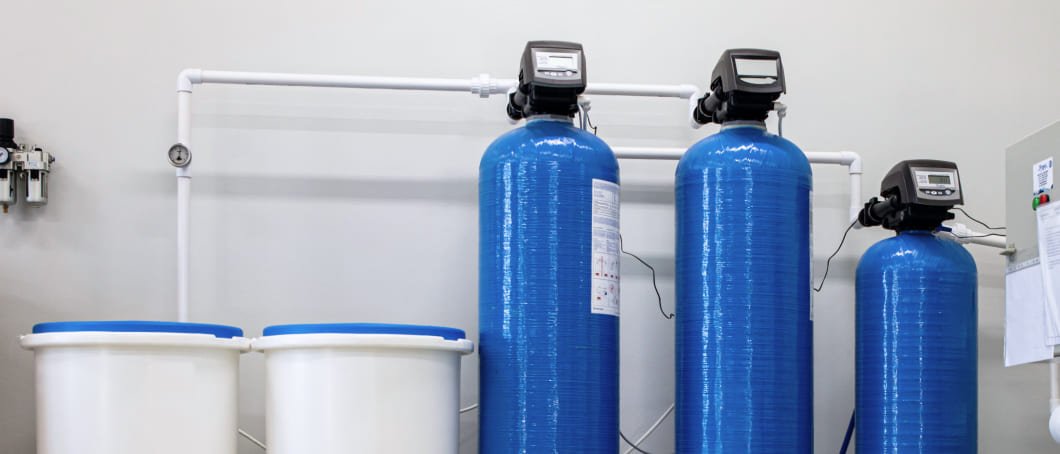
For households dealing primarily with hardness, water softeners can be a practical option. These systems are designed to reduce hardness minerals before water travels throughout the plumbing system. That can help protect water-using appliances and reduce the everyday frustration associated with scale.
The Difference Between Softening and Filtration
It’s easy to lump all water treatment systems together, but they don’t necessarily do the same job.
A water softener primarily focuses on hardness minerals. Filtration systems, meanwhile, can be designed to target different impurities depending on the technology used. Some filters reduce chlorine and sediment, while specialized systems may address certain metals, odors, or other contaminants.
That’s why choosing a system based simply on a neighbor’s recommendation isn’t always wise. If your main concern is scale, you may need something quite different from a household concerned about taste or sediment.
A good starting point is a water quality assessment. Testing can reveal what is actually present in your water instead of leaving you to guess. It also helps prevent spending money on equipment that doesn’t solve the problem you’re experiencing.
When Whole-Home Filtration Makes Sense
Imagine turning on the shower, filling a bathtub, washing clothes, or running the dishwasher and knowing that treated water is flowing through the entire house. That’s the basic appeal of whole home filtration.
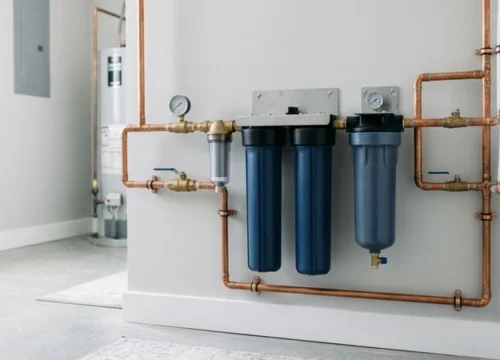
Unlike a small filter installed on one faucet, a whole-home system treats water as it enters the property. This approach can be useful when homeowners want to address a water-quality issue across multiple points of use rather than concentrating only on drinking water.
Depending on the system, filtration may help reduce chlorine, sediment, unpleasant tastes and odors, or other targeted contaminants. The exact performance depends on the filter media and system design, so it’s important to understand what a particular unit is certified or designed to remove.
Whole-home treatment can also be convenient for busy households. You don’t have to remember to fill pitchers or replace several small faucet filters scattered around the house. There’s something reassuring about having one properly maintained system working quietly in the background.
Why Drinking Water May Need Extra Treatment
Water used for bathing and cleaning doesn’t necessarily need the same level of treatment as water intended for drinking. That’s where point-of-use purification can play an important role.
Reverse osmosis is one of the more widely recognized technologies for drinking-water treatment. A reverse osmosis system uses a semipermeable membrane along with other filtration stages to reduce a range of dissolved substances. The result can be water with a cleaner taste and fewer unwanted dissolved impurities.
For families who are particularly focused on the quality of their drinking and cooking water, reverse osmosis drinking water can be an appealing choice. These systems are commonly installed beneath a kitchen sink, providing treated water from a dedicated faucet.
Of course, reverse osmosis isn’t automatically the answer for every household. Systems can produce wastewater during the treatment process, require filter and membrane replacement, and need appropriate installation and maintenance. It’s worth considering those factors before making a decision.
Don’t Ignore Taste and Odor
Sometimes water quality problems aren’t obvious until you take a sip.
A chlorine-like taste, metallic flavor, earthy odor, or sulfur-like smell can make people reluctant to drink tap water. In some cases, the cause may be relatively simple; in others, it may require professional testing to identify the source.
Taste and odor aren’t merely cosmetic concerns, either. They affect whether people actually use the water available to them. A family might buy bottled water because they dislike the taste of tap water, creating ongoing expense and a pile of plastic bottles.
The right treatment system can potentially make tap water more enjoyable, which is a small change that can have a surprisingly noticeable effect on daily routines.
Maintenance Matters More Than Most People Think
Buying a filtration system is only the beginning. Filters have a useful service life, and membranes, cartridges, tanks, or other components may need periodic attention.
A neglected system can lose effectiveness over time. In some situations, it can also become a source of poor performance rather than a solution. Manufacturers typically provide replacement schedules, but actual timing can depend on water quality and household usage.
Keep replacement dates somewhere easy to remember. A calendar reminder works perfectly well. And if you’re unsure whether a component needs replacing, don’t ignore the question. A qualified water-treatment professional can inspect the system and explain what needs attention.
Choosing a System Without Overcomplicating It
The best water-treatment setup isn’t necessarily the biggest or most expensive one. It should match the actual needs of your household.
Start by asking a few straightforward questions:
- What concerns you most about the water?
- Is hardness causing scale or appliance problems?
- Do you dislike the taste or smell?
- Are you concerned about specific contaminants?
- Do you want treated water throughout the house or mainly at the kitchen sink?
- How much maintenance are you comfortable handling?
From there, water testing can help narrow down the choices. It’s much better to select equipment based on evidence than marketing promises.
A Small Upgrade Can Make a Big Difference
Good water quality isn’t about chasing some mythical idea of “perfect” water. It’s about making the water in your home work better for your family and your everyday routines.
For some households, that may mean reducing hard-water scale. For others, it could involve filtering water throughout the property or adding a dedicated drinking-water system in the kitchen. Sometimes the simplest solution is the right one.
Take the time to understand your water first. Once you know what’s actually in it and what you want to improve, choosing the right treatment approach becomes far less confusing. And honestly, there’s a certain comfort in turning on the tap and knowing the water coming out is exactly what you want.