Cleaner Water at Home: Choosing the Right Filtration and Plumbing Solutions
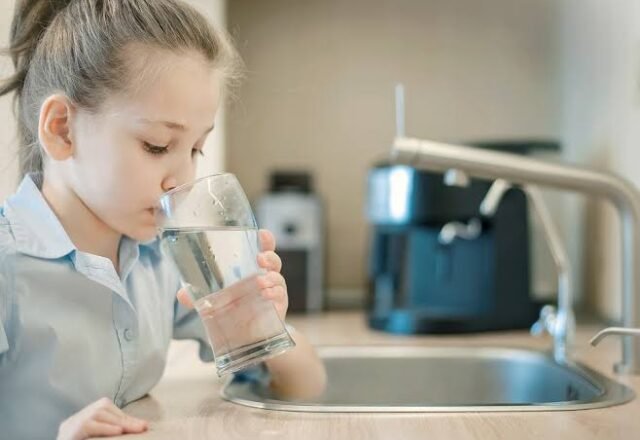
We don’t usually think much about the water flowing through our homes. It’s there when we turn on the kitchen tap, fill a glass, start the washing machine, or step into the shower. Most of the time, that quiet reliability is exactly what we want.
But water quality can change, and plumbing systems aren’t immune to wear and tear. Sediment, chlorine, minerals, microorganisms, and other impurities can affect water in different ways. Meanwhile, old pipes, small leaks, and failing fixtures can create a completely separate set of headaches.
The good news is that homeowners have more options than ever. The trick isn’t buying every available filter or gadget. It’s understanding your water, identifying the actual problem, and choosing equipment that makes sense for your home.
Start With a Water Quality Check
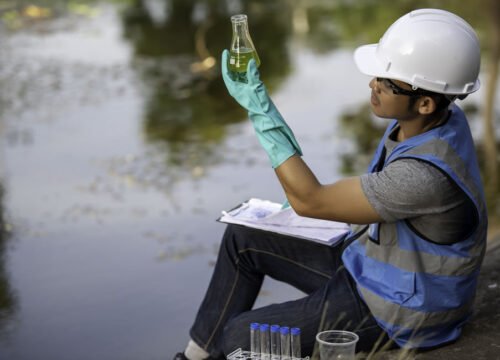
Before installing a treatment system, it’s worth finding out what you’re dealing with. Water can look perfectly clear and still contain substances you may want to reduce.
Testing can provide information about factors such as hardness, pH, chlorine, sediment, iron, and other contaminants. Homes using private wells should be especially attentive because groundwater conditions can vary from one property to another.
Testing also helps avoid the classic mistake of buying a treatment system because a neighbor recommended it. Their water might have completely different characteristics.
Once you know what’s in your water, you can make a much more informed decision. Sometimes the solution is simple. Other times, a combination of technologies is appropriate.
What Whole-Home Filtration Actually Does
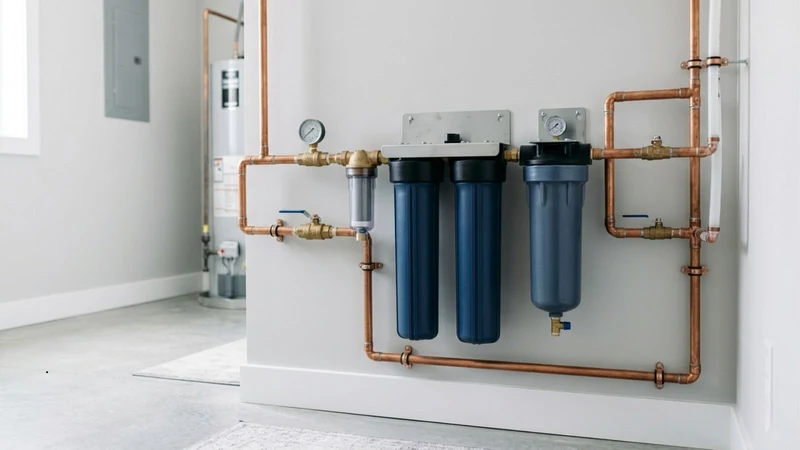
If the goal is to improve water throughout the house, whole-home filtration can be worth considering. Unlike a small filter attached to one faucet, a whole-house system treats water as it enters the property, allowing multiple fixtures to receive filtered water.
Depending on the filter design, these systems may help reduce sediment, chlorine, unpleasant tastes, odors, or particular contaminants. The exact capabilities vary, though, so homeowners should always check what a specific filter is designed to remove.
Whole-home filtration can be especially convenient for families who don’t want to maintain separate filters on several faucets. It can also improve the overall experience of using water for showers, cooking, laundry, and everyday household chores.
Still, filtration isn’t magic. A system needs to be correctly sized, installed, and maintained. Filters eventually become saturated and need replacement. Ignoring that part can defeat the purpose of having the equipment in the first place.
When UV Disinfection Makes Sense
Filtration and disinfection aren’t the same thing, and this distinction is easy to miss.
Filters physically remove or reduce certain particles and substances. UV systems work differently. They use ultraviolet light to inactivate microorganisms as water passes through the treatment chamber.
For properties where microbial concerns are relevant, uv disinfection & specialty filters can be part of a broader water-treatment strategy. UV treatment is often considered for private well systems, where water quality may be more variable and microbial testing can be particularly important.
However, UV systems work best when the water entering the unit is appropriately treated. Excessive sediment or certain water-quality issues can interfere with performance. That’s why a professional assessment is useful before installing one.
It’s not about adding the most technology. It’s about putting the right technology in the right place.
Plumbing and Water Treatment Work Together
A great filtration system won’t solve problems caused by deteriorating plumbing.
Old pipes can corrode, fixtures can fail, and hidden leaks can waste water for weeks without announcing themselves. Sometimes the first clue is a higher-than-usual water bill. Other times, it’s a damp cabinet or a strange stain on the ceiling.
This is where licensed plumbing services can make a real difference. Qualified plumbers can inspect pipes, valves, fixtures, water heaters, pressure levels, and connections while also identifying problems that may affect the performance of water-treatment equipment.
It’s easy to treat filtration and plumbing as separate subjects, but they’re connected. Water quality can affect plumbing components, while the condition of plumbing can affect the water reaching your taps.
Don’t Forget About Water Pressure
Water pressure is another piece of the puzzle.
Low pressure can make showers frustrating and may prevent appliances or irrigation equipment from working properly. Excessive pressure, on the other hand, can put unnecessary stress on plumbing components.
If you’ve noticed a sudden pressure change, don’t automatically blame the municipal supply or assume the showerhead is clogged. A partially closed valve, failing pressure regulator, damaged pipe, or buildup can be responsible.
A professional inspection can help narrow down the cause before you start replacing random components.
Maintenance Keeps Good Systems Working
Installing a treatment system is only the beginning. Regular maintenance is what keeps it useful.
Replace filters according to the manufacturer’s recommendations. Check UV lamps and related components when required. Inspect plumbing connections and pay attention to unusual noises, odors, pressure changes, or leaks.
For well-water systems, periodic water testing is also important. Conditions can change over time, and an old test result shouldn’t be treated as a permanent guarantee.
Keeping simple records helps, too. Write down when filters were changed and when the system was last inspected. It takes a minute, but six months later you’ll be glad you did.
Think Beyond the Initial Price
Cost naturally matters when choosing a water treatment or plumbing solution. But the cheapest installation isn’t always the least expensive option over time.
Consider replacement filters, electricity requirements, maintenance, expected service life, installation quality, and water usage. A slightly more expensive system that is efficient and easy to maintain may prove more economical in the long run.
Likewise, postponing a small plumbing repair because it seems inconvenient can become costly if the problem grows.
Better Water Is About the Whole System
Clean, dependable water doesn’t come from one piece of equipment. It comes from understanding the water source, selecting appropriate treatment, maintaining the equipment, and keeping the plumbing infrastructure in good condition.
For one home, that might mean basic filtration. Another may benefit from UV treatment or specialized filters. Somewhere else, the biggest priority may simply be repairing aging pipes.
There isn’t a universal answer, and that’s actually a good thing. Your home has its own water conditions, plumbing layout, habits, and priorities.
The smartest approach is to test first, investigate problems carefully, and invest where it genuinely matters. When filtration, disinfection, and plumbing work together, water becomes one less thing you have to worry about—and honestly, that’s exactly how it should be.