Cleaner Water, Better Service: Why Filtration Matters for Ice Machines and Fountains
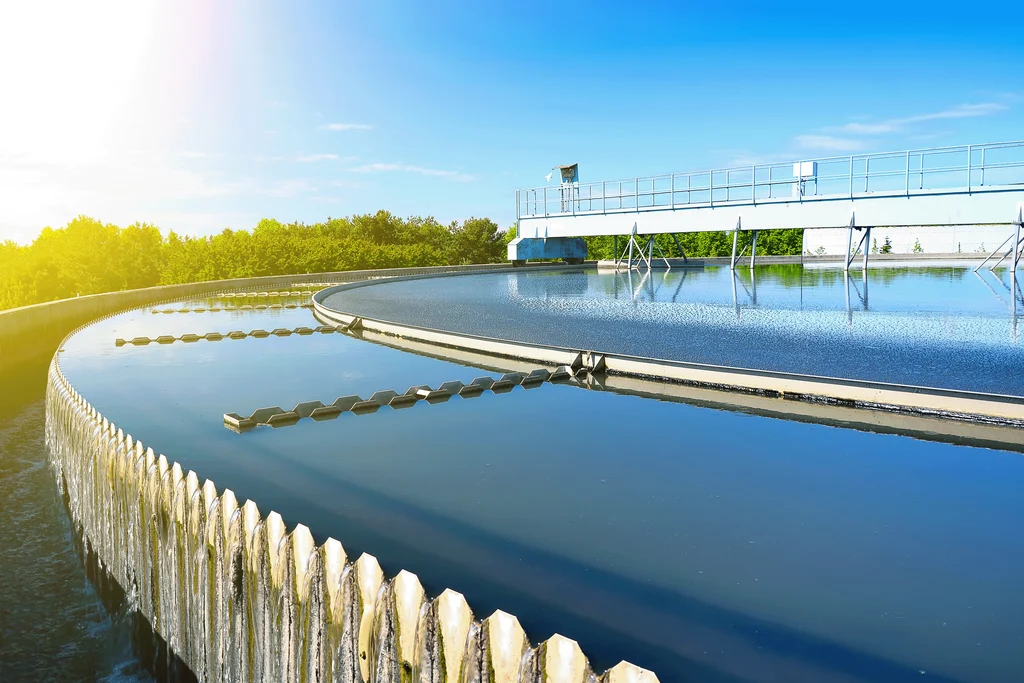
Water is easy to take for granted. We turn on a faucet, fill a glass, order a cold drink, or grab ice from a machine without stopping to wonder what the water has passed through first. In restaurants, hotels, offices, schools, and healthcare facilities, though, water quality can have a direct effect on the customer experience.
A glass of cloudy-tasting water or ice with an odd odor isn’t exactly a great first impression. Beyond taste, untreated water can also contribute to mineral buildup and maintenance problems. That’s why choosing the right filtration system is worth more attention than it often gets.
Why Water Filtration Matters in Busy Facilities
Commercial equipment may use a surprisingly large amount of water every day. Ice machines, beverage dispensers, drinking fountains, coffee makers, and other appliances all depend on a consistent water supply.
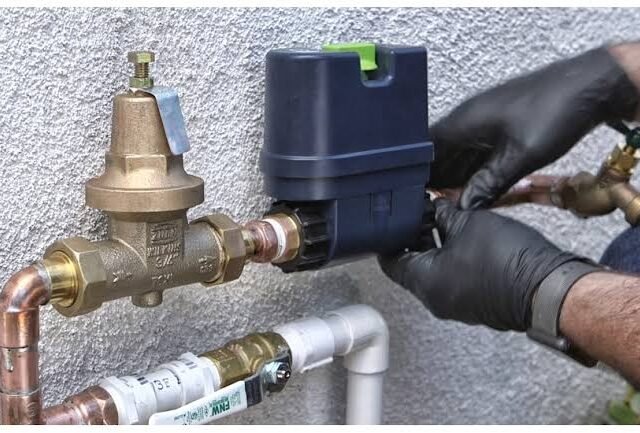
Even when incoming water meets basic drinking-water standards, it can still contain minerals, chlorine, sediment, or other substances that affect taste and equipment performance. A filtration system can be selected to address particular concerns rather than trying to solve everything with one generic filter.
That distinction is important. Water treatment should match the application.
Protecting Ice Machines From Water Quality Issues
Ice machines are especially sensitive to water conditions because minerals can accumulate inside components over time. Scale may affect water lines, sensors, spray systems, and other internal parts. Nobody wants an ice machine struggling during the lunch rush.
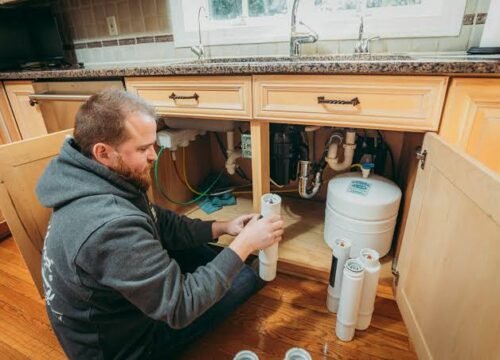
Proper ice machine & fountain filtration can help improve water quality reaching these appliances. Depending on the filter technology, filtration may reduce sediment, chlorine, unpleasant tastes, and certain other substances.
The result isn’t just better-looking ice. Cleaner incoming water can also make routine equipment maintenance more manageable. Of course, filters still need to be replaced on schedule. A neglected filter eventually stops being useful, no matter how good it was when first installed.
Drinking Fountains Deserve Attention Too
Public and workplace drinking fountains see plenty of use. Employees, customers, students, and visitors may all depend on them throughout the day.
If the water tastes unpleasant, people notice. Sometimes they simply stop using the fountain and reach for bottled water instead. That may seem like a small issue, but across a busy facility, it can add unnecessary expense and waste.
A properly selected filtration system can help improve taste and overall drinking-water quality. The right filter depends on the source water and the concerns identified through testing, so choosing equipment based only on price isn’t always the smartest move.
Understanding PFAS and “Forever Chemicals”
In recent years, PFAS have received increasing attention. The term pfas (forever chemicals) refers to a large group of manufactured chemicals known for their persistence in the environment.
PFAS can be found in various industrial and consumer applications, and concerns about their presence in water have led many people to take a closer look at water treatment technologies.
Not every filtration system is designed to reduce PFAS. That’s an important point. If PFAS are a specific concern, homeowners and facility managers should look for treatment technologies that have been independently tested and certified for the particular contaminants they want to address.
In other words, don’t assume a filter handles something simply because the packaging says “advanced filtration.”
What Happens When Water Quality Changes?
Water conditions aren’t always perfectly consistent. Municipal systems can experience changes, and private water sources can have their own challenges. Construction, plumbing work, seasonal changes, or problems with a building’s internal plumbing may also influence water quality.
If contaminated water is suspected, the first step should be identifying the source and getting appropriate testing. Filtration shouldn’t be treated as a substitute for finding and correcting a contamination problem.
That’s especially important in commercial settings, where water may be used for food preparation, beverage service, cleaning, and other activities. A proper response depends on what contaminant is involved and how serious the situation is.
Filtration Isn’t One-Size-Fits-All
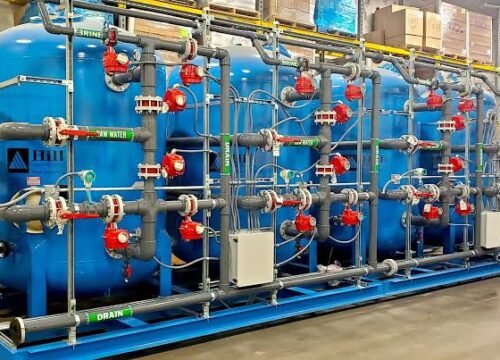
There are many different filtration technologies available, including sediment filters, activated carbon, specialty media, reverse osmosis, and other treatment approaches.
Each has a particular purpose.
Sediment filters can capture particles. Carbon filtration is commonly used for taste and odor improvement and can address certain chemicals. Reverse osmosis can reduce many dissolved substances. Specialty systems may be designed for specific contaminants.
The goal isn’t to install every available technology. It’s to select the treatment stages that make sense for the water and the equipment being protected.
Don’t Forget Filter Maintenance
Even a high-quality filtration system needs regular care. Filters have a limited service life, and their performance can decline as they become loaded with material.
Commercial facilities should establish a replacement schedule based on manufacturer guidance, water usage, and actual conditions. Waiting until the water tastes strange isn’t a great maintenance strategy.
Keeping records can help, too. A simple log showing when filters were installed and replaced can prevent missed service intervals, particularly when several pieces of equipment are involved.
A Small Upgrade Can Make a Noticeable Difference
Water filtration may not be the most exciting part of running a restaurant, office, hotel, or other facility. It sits quietly in the background, doing its job. Yet when the system is properly designed, its benefits can show up in everyday details—better-tasting drinks, cleaner-looking ice, fewer scale-related headaches, and more dependable equipment.
The smartest approach is to start with the water itself. Test it, understand the specific concerns, and choose filtration technology accordingly. If PFAS or another particular contaminant is a concern, verify that the selected system is actually designed and certified to address it.
Good water treatment isn’t about buying the biggest or most complicated filter. It’s about making a thoughtful choice, maintaining it properly, and giving every glass of water—and every cube of ice—a cleaner start.