A Practical Guide to Better Water: Choosing the Right Treatment for Your Home
Water is one of those everyday essentials we rarely think about until something goes wrong. Perhaps your glasses come out of the dishwasher covered in cloudy spots, your showerhead keeps collecting white deposits, or the water from your kitchen tap has a taste you can’t quite get used to. These little annoyances can make you wonder whether there’s a better way to manage your home’s water.
The good news is that water treatment doesn’t have to be complicated. There are several options available, each designed to address different concerns. The challenge is knowing which one suits your household, what results you can realistically expect, and how much maintenance you’ll need to keep everything working properly.
Before spending money on new equipment, it helps to understand your water and the solutions available.
Start With the Water You Actually Have
Not every water problem has the same cause. Hardness, sediment, unpleasant taste, and certain dissolved contaminants are separate issues, even though they can sometimes appear together.
Hard water contains minerals, mainly calcium and magnesium. These minerals can build up inside pipes and appliances, leave marks on faucets, and make soap less effective. Sediment consists of suspended particles, while taste and odor concerns may come from chlorine, naturally occurring substances, or other factors.
Your first step should be to identify the issue rather than immediately purchase a treatment system. If you receive water from a municipal supplier, review its latest water quality report. This can provide useful information about tested substances and overall compliance with applicable drinking water standards.
However, a public report doesn’t always tell the whole story inside your home. Older plumbing, household storage tanks, or changes in the incoming supply may affect water quality at the tap. If you have a private well or suspect a particular contaminant, appropriate laboratory testing can provide more specific answers.
Think of testing as a starting point, not an unnecessary expense. Knowing what you’re dealing with makes it much easier to choose equipment that delivers meaningful results.
When Hard Water Becomes Difficult to Ignore
Hard water is a common frustration for homeowners. You might notice scale around the bathroom faucet, spots on freshly washed dishes, or a kettle that needs frequent cleaning. Over time, mineral deposits can accumulate in water heaters and other appliances, potentially affecting their efficiency.
For households experiencing these problems, water softeners can be a useful option. Traditional ion-exchange softeners reduce calcium and magnesium by exchanging these minerals for sodium or potassium ions. This process helps control scale and can make soap and detergent work more effectively.
Still, softening isn’t the same as filtration. A water softener isn’t designed to remove every unwanted substance, so it shouldn’t be treated as an all-purpose drinking water purifier.
There are practical considerations, too. Conventional systems generally require salt replenishment and periodic maintenance. Their water and salt consumption can vary depending on the design, water hardness, and household demand. If you’re comparing models, ask about regeneration frequency, operating costs, and the availability of replacement parts.
It’s also sensible to consider sodium content if someone in your household follows a medically prescribed low-sodium diet. A qualified water treatment professional can explain the available options, including whether a separate drinking water supply may be appropriate.
Treating Water Throughout the Home
Some homeowners want to improve more than the water they drink. They may be concerned about sediment entering their plumbing, chlorine-related taste or odor, or the general quality of water flowing through showers, washing machines, and kitchen taps.
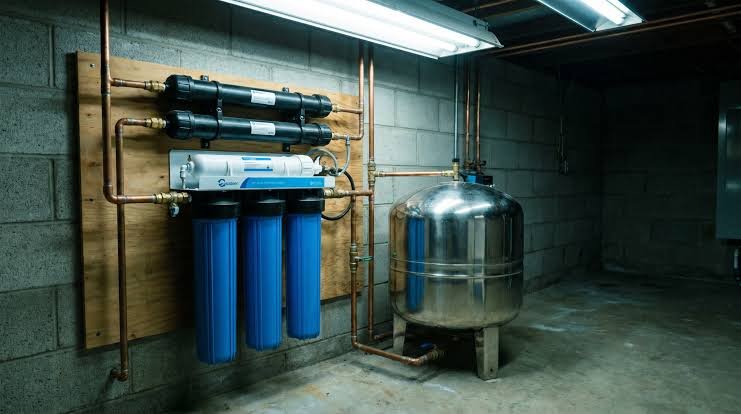
Whole house filtration treats water at the point where it enters the property, allowing the treated supply to reach multiple fixtures. Depending on the equipment, it may reduce sediment, chlorine, and selected contaminants. The important detail is that performance depends on the specific filter media and what the system has been tested to remove.
A whole-house system isn’t automatically suitable for every property. A household mainly concerned about drinking water taste might find a smaller under-sink filter sufficient. On the other hand, a larger home with several bathrooms may benefit from a properly sized system designed for its daily water demand.
Before making a decision, check the system’s rated flow capacity. A filter that cannot handle the household’s demand may cause inconvenient pressure drops, especially when multiple showers or appliances operate at once.
Installation requirements deserve attention as well. The system needs adequate space, compatible plumbing, and a realistic plan for filter replacement. Some homes may benefit from combining filtration with water softening, but that decision should follow a proper assessment rather than a sales pitch.
Cleaner Drinking Water at the Kitchen Tap
For many families, drinking water is the first priority. Even when municipal water meets applicable standards, its taste may not be particularly appealing. Depending on local conditions, homeowners may also want to reduce specific dissolved substances.
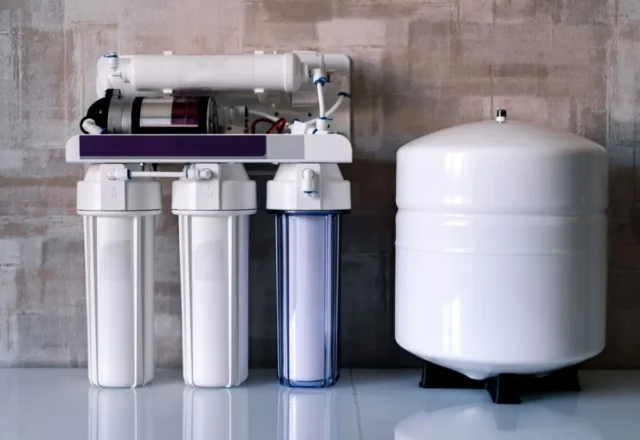
Reverse osmosis systems offer one approach. These systems use a semipermeable membrane to reduce many dissolved substances as water passes through it. Depending on the model and its tested capabilities, reverse osmosis may reduce certain salts, metals, and other contaminants. Prefilters and postfilters often support the process by protecting the membrane and improving the final water’s characteristics.
Under-sink installation is common because it provides treated water at a separate kitchen faucet without requiring every tap in the home to use the same treatment process.
There are trade-offs, of course. Most conventional reverse osmosis systems produce some wastewater during filtration, and their efficiency varies by design. Filters and membranes also need replacement at intervals specified by the manufacturer. Ignoring those requirements can affect both water flow and treatment performance.
One other point is worth remembering: more treatment isn’t always better. Reverse osmosis may be useful for a specific drinking water concern, but it won’t automatically solve hard water throughout the house. If your biggest frustration is scale on shower doors, a different solution may be needed.
Installation and Maintenance Matter More Than You Think
Buying good equipment is only part of the job. Correct installation and consistent maintenance are what help a system perform as intended over time.
Before hiring an installer, ask for an itemized quote covering equipment, labor, fittings, and any additional plumbing work. Find out whether the warranty covers the product, the installation, or both. It’s also helpful to know how quickly replacement filters and service appointments can be arranged.
Once the system is running, keep track of filter changes and inspections. Maintenance schedules vary with the product, incoming water quality, and usage, so follow the manufacturer’s instructions rather than relying on a universal timetable.
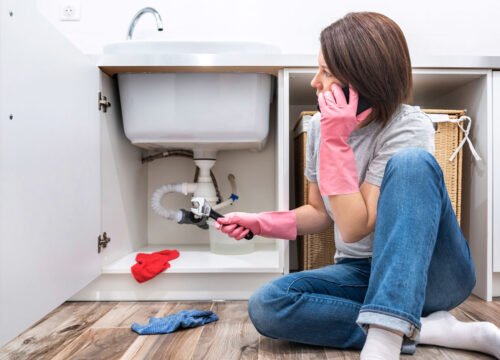
Pay attention to changes in performance. Reduced water pressure, visible leaks, unusual noises, or the return of an unpleasant taste may indicate that something needs attention. These signs don’t necessarily mean the entire system has failed, but a timely inspection can prevent a minor issue from becoming a costly repair.
When evaluating providers, look for clear explanations and realistic claims. A reputable professional should tell you what the equipment can do, what it cannot do, and whether testing or additional treatment is necessary.
Choosing a System That Fits Your Life
The best water treatment system is the one that addresses your actual concerns without creating unnecessary expense or maintenance. Start with reliable information, compare suitable technologies, and consider the full cost of ownership rather than focusing only on the purchase price.
Check independent certification details where available, paying attention to the specific contaminants or performance claims covered. A certification for improving taste, for example, doesn’t mean a filter removes every possible contaminant.
Most importantly, don’t feel pressured to make a quick decision. Take time to ask questions, understand your options, and choose equipment that suits your property and routine.
Better water begins with understanding what you need. With the right information and a sensible treatment plan, you can reduce everyday frustrations, care for your plumbing and appliances, and feel more confident about the water your household uses every day.