Building a Healthier Home: Smarter Water, Waste, and Groundwater Management
Water is easy to take for granted. Turn on the tap, flush the toilet, water the garden, and move on with the day. But behind those ordinary routines is a much bigger system involving wastewater, rainfall, soil, drainage, and the underground water we may depend on for years.
For homeowners, understanding how these pieces connect can make a surprising difference. Good water planning isn’t only about saving money or avoiding plumbing headaches. It can also protect property, reduce waste, and help communities handle changing weather patterns. From maintaining wastewater systems to collecting rainfall, a few practical choices can go a long way.
Start With What Happens Below Ground
A home’s water system doesn’t stop at the foundation. Wastewater leaves the house through drains and eventually reaches a treatment or disposal system. In properties that aren’t connected to a municipal sewer network, this often means a private septic arrangement.
Understanding your sump & septic setup is particularly important if you live in a rural or semi-rural area. These systems quietly do their jobs until something goes wrong, and by then, repairs can become expensive.
Regular inspections can help identify problems before they turn into emergencies. Homeowners should pay attention to slow drains, unpleasant odors, unusually wet patches around the drain field, or changes in toilet and sink performance. None of these signs should simply be brushed aside.
It’s also worth being careful about what goes down household drains. Grease, harsh chemicals, wipes, and non-biodegradable materials can create trouble for wastewater systems. A little restraint in the kitchen and bathroom can save a lot of frustration later.
Rain Isn’t Just Something to Drain Away
Heavy rain can be a nuisance, especially when gutters overflow or yards become waterlogged. But rainwater is also a valuable resource that many homes simply allow to disappear into storm drains.
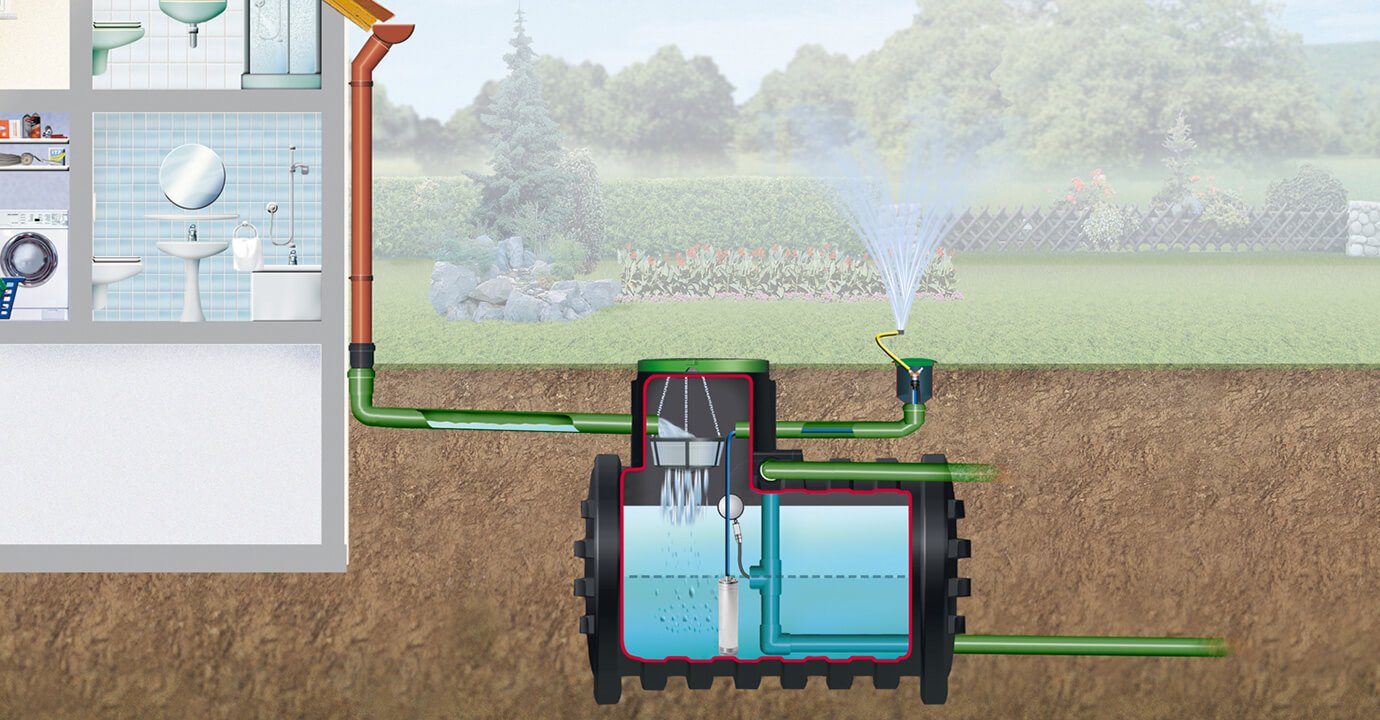
That’s where rainwater harvesting can make sense. The basic idea is straightforward: collect rainfall from rooftops, direct it through gutters and filters, and store it for suitable uses such as landscape irrigation, gardening, or other non-potable applications where local regulations permit.
A properly designed system doesn’t have to be complicated. A storage tank, appropriate filtration, secure covers, and reliable overflow arrangements are often the foundation. Even a modest setup can reduce reliance on treated water for tasks that don’t require drinking-quality water.
There is another benefit that’s easy to overlook. Capturing some rainfall can reduce the amount of runoff rushing across driveways, patios, and other hard surfaces. During intense storms, that can help reduce localized drainage pressure.
Of course, rainwater systems need maintenance. Gutters should be cleared, screens checked, tanks inspected, and stored water managed appropriately. Collecting water is useful; collecting stagnant water and forgetting about it isn’t.
Why Groundwater Deserves More Attention
Groundwater may seem invisible, but it plays a huge role in everyday life. Wells, agriculture, ecosystems, and communities in many regions depend on underground aquifers. Once groundwater levels decline or contamination occurs, restoring those resources can take far longer than most people realize.
Responsible groundwater management means balancing water use with natural recharge. In simple terms, we shouldn’t continually remove water from an aquifer faster than it can be replenished.
Homeowners with private wells can contribute by checking for leaks, avoiding unnecessary water use, maintaining well infrastructure, and keeping potential contaminants away from the well area. Fertilizers, fuels, chemicals, and poorly maintained wastewater systems can all create risks when they’re located too close to groundwater sources.
Landscaping choices matter, too. Native or drought-tolerant plants generally need less supplemental irrigation, while permeable surfaces can allow more rainfall to soak into the ground rather than immediately running away.
It’s not about turning every backyard into a scientific project. Sometimes it simply means thinking twice before using drinking water to hose down a driveway or watering a lawn every day during a dry spell.
The Connection Between Wastewater and Water Resources
Water management works best when systems aren’t considered separately.
For example, a leaking septic system can potentially affect nearby soil and groundwater. Excessive groundwater pumping can affect wells and natural ecosystems. Poor stormwater drainage can cause erosion or flooding. Meanwhile, excessive household consumption puts additional demand on water supplies and treatment infrastructure.
These issues are connected.
That means homeowners should look at the whole property rather than focusing on one component. Check gutters and drainage routes. Understand where wastewater goes. Inspect wells when appropriate. Fix plumbing leaks promptly. Consider whether outdoor water use can be reduced.
Sometimes the most useful improvements aren’t glamorous. Replacing a leaking toilet may have more practical value than installing an expensive gadget. Cleaning a clogged gutter before monsoon season can prevent a mess that costs hundreds to repair. Simple maintenance tends to win in the long run.
Designing a More Water-Smart Property
If you’re building a new home or renovating an existing one, water planning can be included from the beginning.
Think about where rainwater naturally flows across the property. Consider whether storage could be incorporated into the landscape without becoming an eyesore. Make sure wastewater systems have adequate access for inspection and maintenance. If you’re relying on a private well, understand its location and surrounding risks.
Indoor fixtures can help as well. Water-efficient faucets, showerheads, toilets, and appliances can reduce consumption without making everyday life feel restrictive. Modern efficient fixtures are generally designed to do their jobs without the weak performance people sometimes associate with older low-flow products.
For larger properties, professional assessment may be worthwhile. Soil conditions, drainage, water demand, local regulations, and groundwater characteristics can all influence what solutions are appropriate.
And that’s an important point: there’s no universal water-management blueprint. What works beautifully on a suburban property may be completely wrong for a rural home with a private well and septic system.
Small Habits Can Have a Bigger Impact Than Expected
Water conservation doesn’t have to feel like punishment. Turn off the tap while brushing your teeth. Repair dripping fixtures. Run dishwashers and washing machines with sensible loads. Water plants when conditions require it rather than simply following a rigid schedule.
During rainy periods, make use of appropriate collected rainwater. During dry periods, reduce unnecessary outdoor watering. Keep an eye on your water bill, because an unexplained increase can sometimes reveal a hidden leak.
Most importantly, pay attention to your property. Homeowners often notice changes before anyone else does: a damp patch that wasn’t there last month, a strange smell, a pump behaving differently, or water disappearing faster than usual.
Those little clues matter.
Looking at Water as a Long-Term Resource
A home is more than walls, pipes, and fixtures. It’s part of a larger environment where rainfall, soil, groundwater, drainage, and wastewater constantly interact.
Taking care of those connections doesn’t require perfection. It requires awareness and a willingness to maintain what you already have. A well-maintained wastewater system, sensible rainwater collection, careful water use, and responsible protection of groundwater can all contribute to a healthier property.
The best water strategy is usually the one that fits real life. It should be practical, affordable, maintainable, and suited to local conditions. After all, water management isn’t really about doing one big thing perfectly. It’s about making a series of sensible choices, year after year, until those choices become part of how a home naturally works.