What’s Really in Your Drinking Water? Understanding Chlorine, Nitrates, and Bacteria
We turn on the tap, fill a glass, and drink. Most of the time, there’s no second thought involved. Water is simply there, just like electricity or the internet. But every now and then, a strange taste, unusual smell, or change in appearance makes us stop and wonder: what exactly is coming out of that faucet?
The truth is, water quality can be more complicated than it looks. Some substances are easy to notice, while others aren’t visible at all. For homeowners, understanding common water concerns such as chlorine, nitrates, and bacteria can make it easier to decide when testing or treatment may be worth considering.
Why Clear Water Isn’t Always the Whole Story
Clear water can certainly be reassuring, but appearance alone doesn’t tell you everything about water quality. Many dissolved substances are invisible, and some potential contaminants have no obvious taste or smell.
Water quality can be influenced by its source, local geology, agricultural activity, plumbing, and treatment processes. Public water systems are treated and monitored, while private well owners have more responsibility for testing their own supply.
That doesn’t mean every homeowner needs an elaborate treatment setup. It simply means knowing what’s in your water is a smarter first step than guessing.
Chlorine and the Taste of Treated Water
Chlorine plays an important role in public water treatment because it helps control harmful microorganisms and maintain water safety as it travels through distribution systems.
Still, some people don’t love the taste or smell of chlorinated water. You may notice it more when drinking directly from the tap, making coffee, or taking a warm shower. Heat can make the characteristic odor seem stronger, which is why some bathrooms can smell noticeably different after a long shower.
If chlorine taste is bothering you, filtration can sometimes help. Activated carbon filters, for example, are commonly used to reduce chlorine and improve taste and odor. The right option depends on the water source and the specific goal.
The important distinction is that removing chlorine isn’t automatically better. Chlorine serves a purpose in treated water, so any filtration choice should be made with the overall water system in mind.
Nitrates and Where They Come From
Unlike chlorine, Nitrates aren’t typically something you’ll identify by taste or smell. They can enter groundwater from sources such as fertilizers, manure, septic systems, and other forms of agricultural or environmental runoff.
This makes nitrates particularly important for private well owners in agricultural areas or locations where groundwater may be vulnerable to contamination.
Testing is the only practical way to know whether nitrate levels are elevated. If testing identifies a concern, treatment may involve technologies such as reverse osmosis or specialized ion exchange systems, depending on the water chemistry and household requirements.
It’s also worth remembering that not every water problem needs the same solution. A filter designed for sediment isn’t necessarily going to address dissolved nitrates, which is why knowing the contaminant first is so important.
The Invisible Concern: Bacteria
Perhaps one of the more unsettling water-quality concerns is Bacteria, mainly because you can’t see it floating in your glass.
Bacteria can enter private wells through several pathways, particularly when wells are poorly maintained, damaged, or affected by surface water. Flooding and problems with septic systems can also increase the risk of contamination.
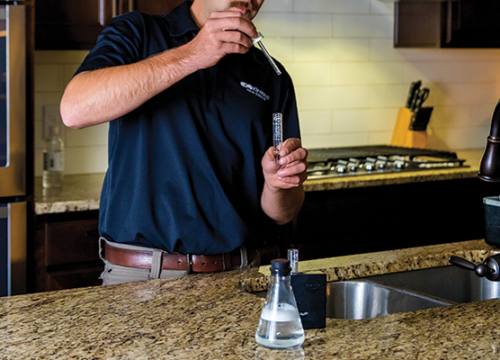
If bacterial contamination is suspected, don’t rely on appearance or taste. Proper laboratory testing is essential.
Treatment depends on the cause and type of contamination. Disinfection methods such as ultraviolet treatment or chlorination may be considered in appropriate situations, but the system needs to be properly designed and maintained.
For well owners, periodic testing can provide valuable reassurance. It’s much better to know what’s happening than to cross your fingers every time you fill the kettle.
When Should You Test Your Water?
There isn’t one universal testing schedule for every household, but certain situations deserve extra attention.
If you’re buying a home with a private well, testing the water before completing the purchase is a sensible step. You may also want to test after flooding, major plumbing changes, or repairs to the well or septic system.
Changes in taste, odor, or appearance can be another reason to investigate.
Families with infants or people who may be particularly vulnerable to certain contaminants should also discuss appropriate testing with a qualified professional or local health authority.
And if you haven’t tested a private well in years, that’s probably a good enough reason to start there.
Choosing the Right Treatment
Water treatment can become confusing quickly. There are softeners, carbon filters, UV systems, reverse osmosis units, sediment filters, and plenty of products that promise to do almost everything.
But bigger isn’t necessarily better.
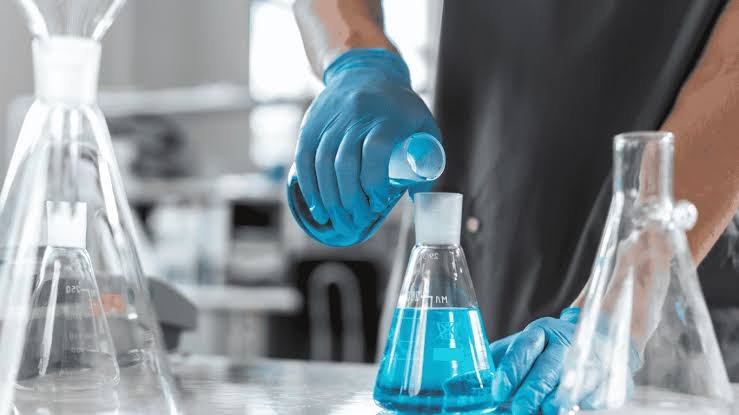
A good treatment system should be based on actual water-test results. If chlorine taste is the issue, the solution may be relatively simple. If nitrates are elevated, you’ll need technology designed specifically for that problem. If bacteria are detected, disinfection and investigation of the contamination source become much more important.
In other words, treat the water you have — not the water you imagine you have.
Don’t Forget About Maintenance
Even the best filtration equipment isn’t completely “set it and forget it.”
Filters need replacement. UV lamps require servicing. Reverse osmosis membranes eventually need attention. Storage tanks and other components should be checked according to manufacturer recommendations.
Neglected equipment can lose effectiveness, and in some cases may create additional problems. Keeping a simple maintenance calendar can make the whole process much easier.
A reputable water professional should be willing to explain what maintenance is required before you purchase a system.
Better Water Begins With Better Information
Water quality doesn’t have to become an overwhelming subject. Start small. If you’re concerned, test the water and find out what’s actually there.
Understanding chlorine, nitrates, bacteria, and other potential concerns gives homeowners the information they need to make sensible decisions. Instead of buying equipment because an advertisement promises “pure water,” you can choose a solution based on real conditions.
At the end of the day, good water treatment isn’t about chasing every possible contaminant. It’s about understanding your water, addressing genuine concerns, and keeping the system properly maintained.
That approach may not sound flashy, but it works — and when it comes to something you drink every day, practical is a pretty good place to start.