Protecting Your Home From Water Leaks Before They Become Costly
Water is wonderfully useful until it ends up somewhere it shouldn’t. A dripping pipe beneath the kitchen sink may seem harmless at first, but a small leak can quietly damage cabinets, flooring, drywall, and insulation. By the time you notice the stain on the ceiling, the problem may have been developing for weeks.
That’s why modern homeowners are paying more attention to water protection. A combination of reliable plumbing equipment, automatic shutoff technology, and early warning systems can help reduce the risk of serious damage. It isn’t about expecting something to go wrong tomorrow. It’s about being prepared when it does.
Why Small Water Leaks Deserve Attention
A leak doesn’t always look like a burst pipe. Sometimes it’s a slow drip behind a wall or a tiny connection that only leaks when a washing machine runs.
These problems can be surprisingly difficult to spot. Water may travel along framing, flooring, or pipes before appearing somewhere completely different from the original source. A small stain on a ceiling, for example, might have nothing to do with the room directly above it.
Persistent moisture can eventually contribute to damaged materials, unpleasant odors, and mold growth. It can also turn a relatively inexpensive plumbing repair into a much larger restoration project.
The lesson is simple: small leaks aren’t necessarily small problems.
What Is a Home Protection Valve?
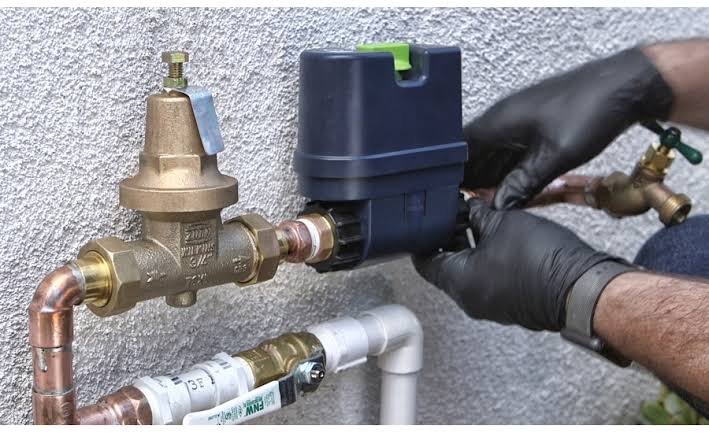
One useful layer of protection is a home protection valve, a device designed to control or shut off the household’s water supply when a problem is detected or when the homeowner chooses to stop the flow.
The concept is pretty straightforward. If water is flowing continuously when it shouldn’t be, an automatic valve can potentially stop the supply before gallons of water enter the home.
Depending on the system, the valve may work alongside sensors that monitor areas such as kitchens, bathrooms, laundry rooms, water heaters, or basements. Some systems can also provide alerts, allowing homeowners to respond even when they’re away.
Of course, no device can prevent every kind of water damage. Proper installation and regular maintenance still matter. But adding automatic shutoff protection can create another useful barrier between a plumbing failure and a flooded room.
Leak Detection Is About Catching Problems Early
The best time to discover a leak is before it becomes a flood.
Modern leak detection systems can use sensors to monitor moisture and, in some cases, unusual water flow. A sensor placed near a water heater, washing machine, or sink can identify unwanted moisture and trigger an alert.
Some advanced systems monitor water consumption patterns rather than relying solely on a wet sensor. For instance, continuous water flow during a period when nobody is using water could indicate a hidden leak.
This technology can be especially helpful for people who travel frequently. A homeowner might not hear a pipe fail while they’re hundreds of miles away, but an alert on their phone could give them a chance to contact someone and shut off the water.
That early warning can make a huge difference.
The Role of Quality Plumbing Equipment
Technology gets most of the attention, but the basics still matter. Reliable pipes, fittings, valves, hoses, and fixtures form the foundation of a safe plumbing system.
When replacing components, homeowners should avoid choosing products based only on the lowest price. Quality, compatibility, installation requirements, and expected lifespan all deserve consideration.
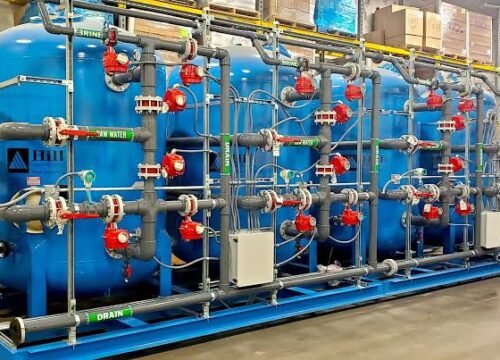
This becomes even more important for commercial products, where equipment may need to handle heavier usage and more demanding operating conditions. Commercial plumbing applications can involve restaurants, offices, apartment buildings, warehouses, hotels, and other properties where a water failure could disrupt operations as well as cause physical damage.
The right equipment depends on the building and its water system. A solution designed for a small residence shouldn’t automatically be assumed suitable for a large commercial property.
Where Water Protection Matters Most
Not every part of a home has the same level of risk. Certain areas deserve extra attention because they contain appliances or fixtures that use a lot of water.
Consider checking around:
- Washing machines and their supply hoses
- Water heaters
- Dishwashers
- Kitchen sinks
- Bathroom toilets and sinks
- Refrigerators with water connections
- HVAC equipment with condensate lines
- Basement plumbing
- Outdoor irrigation connections
Appliance hoses are worth a special mention. They can deteriorate over time, and a failed washing-machine hose can release a surprising amount of water in a short period.
A quick inspection every few months is a small habit that can prevent an unpleasant surprise.
Don’t Forget About Maintenance
Installing a protection system doesn’t mean you can forget about your plumbing forever. Sensors need testing, batteries may need replacement, valves should be checked, and plumbing connections still require occasional inspection.
It’s a little like a smoke detector. Having one installed is great, but you also want to know that the batteries work when you need it.
Homeowners should also pay attention to unusual changes in water pressure, unexplained increases in water bills, damp smells, or sounds of running water when every faucet appears to be off. These can sometimes be early clues that something isn’t right.
Building a Practical Water Protection Strategy
You don’t necessarily need the most expensive system available. A sensible approach is to identify the biggest risks in your property and build protection around them.
Start with basic plumbing maintenance. Replace aging hoses and damaged fittings. Check appliances regularly. Then consider adding leak sensors in high-risk areas. If your property would be particularly vulnerable to flooding, an automatic shutoff valve may provide another useful layer of protection.
For larger properties or businesses, a professional assessment can help identify weak points that aren’t obvious during a casual inspection.
The goal isn’t to make your home completely immune to plumbing problems. That’s unrealistic. The goal is to reduce the chance of a small failure becoming a major event.
A Little Preparation Goes a Long Way
Water damage can be stressful, expensive, and disruptive. Yet many of the risks can be managed with relatively simple steps.
Inspect your plumbing. Pay attention to unusual water use. Protect high-risk appliances. Consider smart detection technology and automatic shutoff equipment where appropriate. And don’t wait for a ceiling stain to convince you that your plumbing deserves attention.
A home protection strategy isn’t about worrying constantly. It’s actually the opposite. When you know your plumbing is being monitored and you’ve prepared for the unexpected, you can get on with everyday life with a little more confidence.
Sometimes the smartest protection is the kind you never notice—until the day you really need it.