Building Better HVAC Solutions for Homes, Businesses, and Industry

Heating and cooling systems may not be the first thing people think about when they walk into a building, but they have a huge influence on how that space feels and functions. A comfortable home is easier to relax in. A well-conditioned office can make long workdays a little more bearable. In larger facilities, proper temperature control can even affect equipment and daily operations.
The needs are different from one building to another, which is why HVAC planning shouldn’t be treated like a one-size-fits-all job. The right system depends on the space, how it’s used, and what kind of comfort or performance is expected.
Every Building Has Different HVAC Needs
A small house doesn’t have the same heating and cooling requirements as a warehouse or office complex. That’s fairly obvious, but it’s surprisingly easy to overlook when choosing equipment.
In residential settings, comfort and energy efficiency are usually top priorities. Homeowners want consistent temperatures without watching their utility bills climb every month. Factors such as room size, insulation, windows, and family routines can all influence the best HVAC setup.
A properly selected system should keep the home comfortable without constantly running or cycling unnecessarily.
Commercial Spaces Need a Different Approach
Offices, stores, restaurants, and other business environments often have changing occupancy levels throughout the day. One moment a space might be nearly empty, and a few hours later it could be packed with people.
That creates a different set of challenges.
In commercial buildings, HVAC systems often need to manage larger areas while maintaining reasonably consistent temperatures. Zoning can be useful in these situations, allowing different sections of a building to be controlled independently.
Good planning also considers operating schedules, ventilation requirements, indoor air quality, and the way heat enters the building throughout the day.
Industrial Facilities Bring Even More Complexity
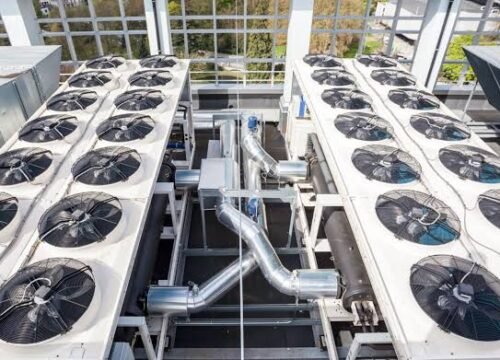
Large facilities can have particularly demanding temperature-control requirements. Warehouses, manufacturing plants, workshops, and processing facilities may contain machinery that generates significant heat, along with large doors that open frequently or spaces with unusual ceiling heights.
In these industrial fields, HVAC planning can go well beyond ordinary comfort.
Temperature and humidity may need to remain within specific ranges depending on the work being performed. Air movement, ventilation, filtration, and equipment protection can also become major considerations.
A system that looks perfectly adequate on paper may struggle once real-world operating conditions are taken into account.
Choosing Equipment Based on the Actual Space
One of the biggest mistakes people make is selecting HVAC equipment based only on the size of the building.
Square footage matters, but it isn’t the whole picture.
Insulation, windows, ceiling height, sun exposure, occupancy, equipment heat, and local weather conditions can all influence heating and cooling loads. That’s why professional assessment is so useful before purchasing major equipment.
The goal isn’t simply to install the biggest system available. In many cases, oversized equipment can create its own problems, including short cycling and inconsistent comfort.
A properly matched system is usually the better long-term choice.
Installation Quality Matters
Even excellent HVAC equipment can perform poorly when installation is rushed or improperly handled.
Ductwork needs to be appropriately designed and sealed. Electrical connections should be checked carefully. Refrigerant lines, drainage, controls, and airflow all need attention.
A good installation isn’t just about getting the equipment to turn on. It’s about making sure the system operates safely and efficiently under normal conditions.
This is particularly important for larger commercial and industrial projects, where installation mistakes can affect an entire facility rather than just one room.
Indoor Air Quality Deserves Attention
Temperature is only one part of indoor comfort.
Dust, allergens, humidity, odors, and inadequate ventilation can all affect how people experience a building. In homes, poor indoor air quality can make rooms feel stuffy. In workplaces, it may affect how comfortable employees and visitors feel throughout the day.
Depending on the property, solutions may include better filtration, improved ventilation, humidity control, duct cleaning, or upgraded air-handling equipment.
The right approach depends heavily on the building and its occupants. There isn’t a universal solution, and that’s okay.
Maintenance Protects Your Investment
HVAC equipment isn’t something you install and forget about. Filters become dirty, moving parts wear down, coils collect debris, and electrical components can eventually need attention.
Routine maintenance helps identify these issues before they turn into larger problems.
For homeowners, that might mean seasonal inspections and regular filter replacement. Commercial and industrial facilities may need more structured maintenance schedules because system downtime can have a direct impact on business operations.
A little preventive care is usually easier to manage than an unexpected breakdown on the hottest or coldest day of the year.
Energy Efficiency Is About More Than New Equipment
Replacing old equipment with modern, efficient technology can certainly reduce energy consumption. But equipment isn’t the only factor.
Poor insulation, leaking ducts, outdated controls, and air leaks can all make an HVAC system work harder than necessary.
Simple improvements can sometimes produce noticeable results. Sealing obvious drafts, maintaining filters, using programmable controls, and keeping outdoor equipment clear of debris are practical steps that don’t require a complete system replacement.
For larger properties, energy audits and automated building controls may provide additional opportunities to reduce unnecessary consumption.
Think Long Term When Planning HVAC
The cheapest option isn’t always the most affordable one over time. Equipment that costs less initially may consume more energy or require frequent repairs. On the other hand, spending more on a properly designed and efficient system can sometimes reduce operating costs for years.
That’s why it’s worth looking at the complete picture: installation, maintenance, energy use, expected lifespan, and the cost of potential downtime.
Whether you’re managing a home, running a business, or overseeing a large facility, the basic principle remains the same.
Comfort and Performance Start With Good Planning
HVAC systems quietly support some of the most important spaces in our lives. We notice them when they’re missing, but we often overlook them when everything is working as it should.
The best systems aren’t necessarily the biggest or most expensive. They’re the ones that are properly designed for the space, professionally installed, maintained regularly, and adjusted as needs change.
Taking that approach can mean better comfort, more predictable operating costs, and fewer unpleasant surprises down the road. And when the weather gets serious, having an HVAC system you can count on isn’t a luxury. It’s simply good planning.