Making Workplace Water Easier: Smarter Choices for Busy Spaces
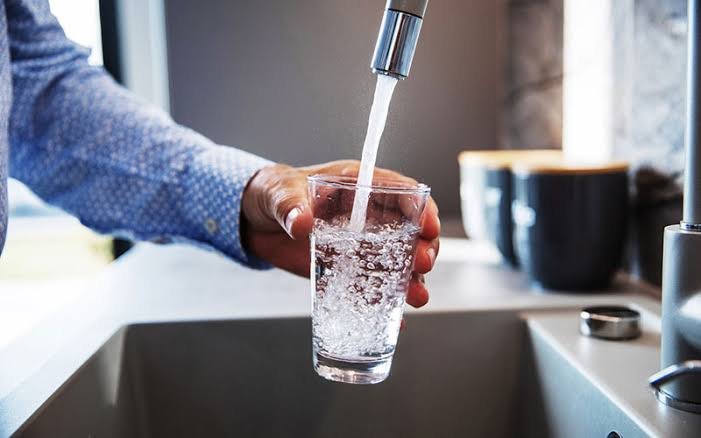
Water is one of those workplace essentials that rarely gets much attention until there’s a problem. The cooler is empty, employees are carrying bottles from home, or someone notices that the water tastes a little off. Suddenly, a basic necessity becomes another thing on the to-do list.
For offices, schools, gyms, clinics, warehouses, restaurants, and other commercial spaces, providing convenient access to good-quality drinking water can make a real difference. It isn’t about making the workplace fancy. It’s about making everyday routines easier.
The right setup depends on the size of the organization, water usage, available plumbing, maintenance needs, and budget. And sometimes, the simplest solution is the best one.
Why Convenient Drinking Water Matters
People drink more water when it’s easy to access. That’s a pretty simple idea, but it’s easy to overlook in a busy workplace.
An employee who has to walk across the building to find a water fountain may simply wait until later. A customer visiting a business might appreciate having a clean, convenient source of drinking water without being handed a disposable plastic bottle.
Accessible water stations can also reduce dependence on single-use bottled water. Over months and years, that can mean less packaging waste and fewer deliveries taking up valuable storage space.
It’s a small operational detail, but small details have a funny way of becoming important when you’re managing a busy facility.
The Appeal of Bottleless Water Coolers
Traditional bottled coolers have been around for decades, and they still have their place. But many businesses are looking for something more convenient.
Bottleless water coolers connect directly to a building’s existing water supply and use filtration to provide drinking water without requiring large plastic bottles to be delivered and stored.
That can simplify things considerably. There’s no heavy bottle to lift onto the cooler, no stack of backup containers taking up room, and no need to schedule deliveries simply because the office ran through its supply faster than expected.
Many models also provide chilled and room-temperature water, while some offer hot water for tea or other drinks.
Of course, the system still needs regular filter replacement and maintenance. It’s not completely hands-off. But for many businesses, removing the logistical hassle of bottled water is worth it.
Finding a Commercial Water Setup That Fits
A small office with ten employees doesn’t have the same needs as a manufacturing facility with several hundred workers.
That’s why commercial water solutions should be selected according to actual usage rather than simply choosing the biggest or most feature-packed system available.
A business should consider how many people will use the system, where the water station will be installed, how much water is consumed each day, and what kind of maintenance the facility can realistically handle.
For example, a busy restaurant may have very different water treatment requirements from a corporate office. A school may need high-capacity dispensing and durable equipment. A healthcare facility could have additional quality and hygiene considerations.
The point isn’t to find one perfect machine. It’s to find equipment that fits the building and the people using it.
Don’t Forget Water Quality
Convenience is important, but water quality still comes first.
Even treated municipal water can develop taste or odor issues as it travels through building plumbing. Older pipes may also influence water quality. In some commercial properties, sediment or mineral buildup can become an ongoing nuisance.
Water testing can help identify what is actually happening.
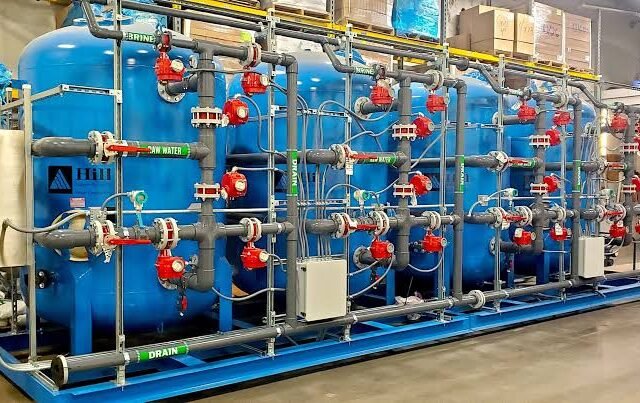
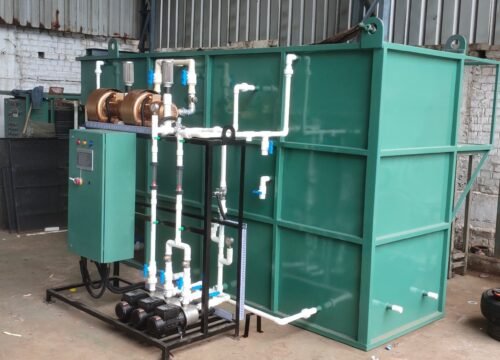
Depending on the results, treatment might include sediment filtration, carbon filtration, softening, or other technologies designed for specific water conditions. The right approach depends on the problem.
There’s no need to overcomplicate it. Test first, then treat what actually needs to be treated.
Hard Water Can Create Expensive Problems
Hard water is another issue that businesses sometimes ignore until scale starts appearing everywhere.
Calcium and magnesium can accumulate inside pipes, water heaters, coffee machines, dishwashers, and other equipment. In a commercial environment, where water-using appliances may operate constantly, that buildup can become more than a cosmetic annoyance.
A properly sized softener can help reduce hardness and protect equipment from excessive mineral scale.
For businesses that rely heavily on treated water, dependable water softener salt delivery can also make maintenance more predictable. Rather than discovering an empty salt supply at the worst possible moment, scheduled delivery can help keep the system operating as intended.
It’s one of those boring maintenance tasks that becomes very important when it gets forgotten.
Maintenance Should Be Part of the Plan
Installing a water cooler or filtration system is only the beginning.
Filters need replacing according to manufacturer recommendations. Dispensers should be cleaned properly. Connections should be checked, and any unusual taste, odor, leaks, or changes in water flow should be investigated.
Businesses should assign responsibility for these tasks instead of assuming someone will notice when maintenance is due.
A simple maintenance calendar can help. Record filter changes, service visits, inspections, and other routine tasks. For larger facilities, professional service contracts may be worth considering because they reduce the chance of equipment being neglected during an especially hectic month.
Making Water More Sustainable
There’s also an environmental side to workplace water choices.
Replacing some bottled-water consumption with a plumbed-in dispenser can reduce the number of plastic containers that need to be purchased, transported, stored, and eventually discarded.
That doesn’t mean bottled water is always unnecessary. Emergencies, temporary sites, and certain locations may still require it. But for permanent workplaces with suitable plumbing, reducing dependence on disposable bottles can be a practical sustainability step.
And employees often notice these efforts. A refillable bottle paired with an accessible water dispenser becomes a very easy habit.
The Best System Is the One That Gets Used
Water treatment doesn’t have to be complicated to be effective.
Start by understanding your building’s water quality and daily consumption. Consider whether a bottleless dispenser, filtration system, softener, or combination of technologies makes sense. Then think about maintenance before installation, not afterward.
The goal is straightforward: reliable access to clean, convenient drinking water without creating another operational headache.
A good workplace water system should quietly do its job in the background. Employees get easy access to water, equipment receives the treatment it needs, facility managers have fewer surprises, and the business can spend less time worrying about something as basic — yet important — as keeping everyone hydrated.