Smart Water Treatment Upgrades That Can Save You Money

Clean, reliable water is one of those things most homeowners don’t think much about until something goes wrong. Maybe the water starts leaving white spots on the shower door. Perhaps there’s a strange taste in your morning coffee, dry skin after a shower, or scale building up around faucets. These small annoyances can be signs that your home’s water quality needs a closer look.
The good news is that improving your water doesn’t always mean making a huge investment all at once. With the right system, professional guidance, and a little planning, homeowners can improve water quality while keeping an eye on long-term household costs.
Start by Understanding What’s Actually in Your Water
Before choosing a filtration or water treatment system, it makes sense to know what you’re dealing with. Water quality can vary considerably from one home to another, even within the same neighborhood.
Municipal water may contain disinfectants, sediment, or minerals picked up as water travels through aging pipes. Well water can have its own set of challenges, including hardness, iron, sulfur odors, sediment, or naturally occurring contaminants.
That’s why guessing usually isn’t the best approach.
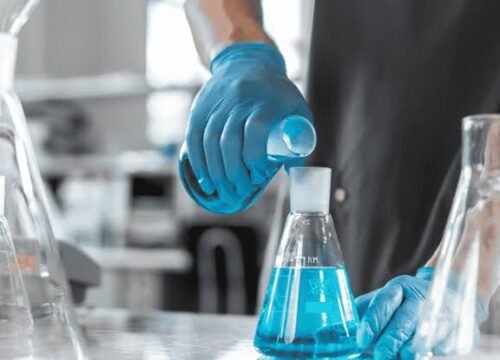
A free water test can provide useful information about hardness, pH, iron, chlorine, and other water characteristics. Once you know the problem, it becomes much easier to select a treatment method that addresses it instead of paying for equipment your home may not really need.
Why Hard Water Deserves More Attention
Hard water is common, and it isn’t necessarily dangerous to drink. Still, it can be surprisingly hard on a home.
Water containing high levels of calcium and magnesium can leave mineral deposits inside pipes, water heaters, showerheads, and appliances. Over time, that buildup may reduce efficiency and shorten the useful life of equipment.
You might notice it as a cloudy film on glassware or a stubborn ring around the bathtub. Soap also tends to work differently in hard water, which can leave skin feeling dry and laundry feeling less soft than expected.
A properly sized water softener can help reduce these problems. And when you think about the cost of replacing a water heater or repeatedly cleaning mineral deposits, treating hard water starts to look less like an optional upgrade and more like sensible home maintenance.
Choosing a System Should Be About Your Home, Not a Sales Pitch
There’s no single water treatment system that works perfectly for every household. The right solution depends on the source of your water, the contaminants present, household size, plumbing configuration, and what you actually want to accomplish.
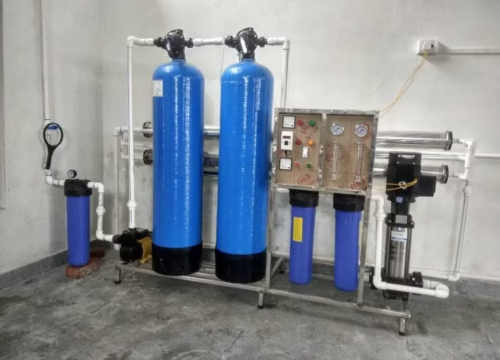
For some homes, a whole-house filtration system may be the best fit. Others may benefit from a water softener, reverse osmosis drinking-water system, or a combination of technologies.
This is where professional assessment can make a real difference.
A good water treatment provider should explain what the equipment does, what it doesn’t do, how often it requires maintenance, and what you can realistically expect from it. If someone starts throwing around technical terms without explaining them, don’t be afraid to ask questions. You’re investing in your home, after all.
Think Beyond the Purchase Price
Price matters, but the cheapest option isn’t always the most economical one.
A basic system with inexpensive components might look attractive at first glance. But if filters need frequent replacement, parts are difficult to find, or the equipment isn’t properly sized, those initial savings can disappear rather quickly.
It’s more useful to think about the total cost of ownership. Consider installation, filter replacement, maintenance, water usage, energy efficiency, and expected equipment lifespan.
In some cases, homeowners may also find new installation system savings through seasonal promotions, package pricing, rebates, or installation offers. The details vary, so it’s worth asking what incentives are currently available rather than assuming the sticker price is final.
Financing Can Make a Larger Upgrade More Manageable
Not everyone has a few thousand dollars sitting around for a home improvement project. That doesn’t necessarily mean you have to put off better water quality for years.
Some water treatment companies offer payment plans designed to spread the cost over time. Depending on eligibility and the provider’s current terms, homeowners may find options such as months no interest financing, which can make a larger purchase easier to fit into a household budget.
Read the terms carefully, though. “No interest” offers can come with specific requirements, promotional periods, or payment deadlines. A financing option is only useful when you understand exactly how it works and can comfortably manage the payments.
The smartest approach is to compare the full cost of the system, not just the monthly number.
Whole-Home Treatment Can Be More Convenient
Point-of-use filtration is popular because it targets water at a particular faucet, often the kitchen sink. That can be perfectly reasonable if your main concern is drinking and cooking water.
But whole-home treatment offers a different kind of convenience.
Instead of filtering water only where you drink it, a whole-house system can treat water as it enters the property. That means water used for showers, laundry, dishwashing, and other household activities can also receive treatment, depending on the system installed.
For families dealing with hard water or unpleasant odors throughout the house, this can make everyday life noticeably easier. You’re not constantly switching filters or wondering which tap has treated water.
Of course, whole-home systems aren’t automatically better for everyone. The important thing is matching the equipment to the actual water problem.
Maintenance Is Part of the Deal
Even the best water treatment equipment needs some attention. Filters eventually become saturated. Softener systems may require salt or other consumables. Certain components need periodic inspection or replacement.
Skipping maintenance can reduce performance and potentially cause problems that cost more to fix later.
The good news is that routine care is usually pretty straightforward. Ask the installer what maintenance is required before you buy, and put replacement dates on your calendar. It’s a small habit, but it can keep the system working properly for much longer.
Better Water Is Also About Everyday Comfort
Water treatment isn’t only about laboratory numbers. You notice the difference in ordinary moments.
It’s the shower that doesn’t leave your skin feeling coated. The glassware that comes out of the dishwasher without chalky spots. The coffee that tastes cleaner. The faucet that doesn’t seem to develop a crust of mineral buildup every few weeks.
Those little improvements add up.
A thoughtful water treatment decision starts with testing, continues with choosing the right technology, and ends with proper installation and maintenance. There’s no need to rush into the biggest or most expensive system available. Understand your water first, ask practical questions, compare long-term costs, and choose a solution that fits the way your household actually lives.
In the end, good water treatment isn’t about buying more equipment. It’s about making your water—and your home—work a little better every day.