Keeping Commercial Buildings Comfortable Without Wasting Energy
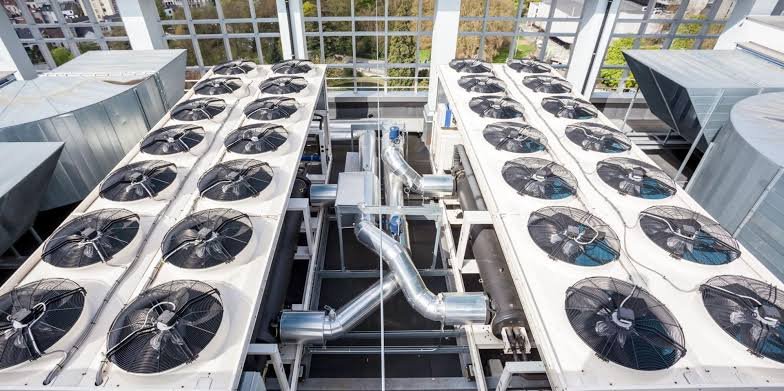
Running a commercial property comes with enough responsibilities already. There are employees to manage, customers to serve, equipment to maintain, and bills to keep under control. HVAC systems might not be the first thing on your mind every morning, but when the temperature inside becomes uncomfortable, everyone notices.
A dependable heating and cooling system does more than control temperature. It supports productivity, protects equipment, manages indoor air conditions, and helps create a more pleasant environment for customers and staff. That’s why choosing the right commercial HVAC approach — and looking after it properly — can make a real difference over the long run.
Why Commercial HVAC Needs a Different Approach
A small office and a large retail building don’t have the same heating and cooling requirements. Neither does a restaurant, warehouse, medical facility, or industrial workspace.
Commercial properties often have larger spaces, changing occupancy levels, multiple zones, and equipment that operates for long hours. A system that works perfectly in one building might be completely unsuitable for another.
This is where professional commercial hvac solutions become valuable. Instead of simply replacing a unit or repairing whatever has stopped working, a qualified HVAC professional can look at the building as a whole — including its size, layout, insulation, ventilation, operating schedule, and existing equipment.
That kind of planning may prevent expensive mistakes later.
Efficiency Is More Than a Lower Utility Bill
Energy efficiency gets plenty of attention, and for good reason. HVAC systems can account for a significant portion of a commercial building’s energy consumption.
However, efficiency isn’t simply about buying equipment with an impressive rating. Installation quality, system sizing, ductwork, controls, airflow, and maintenance all influence how efficiently equipment actually performs.
Modern energy-efficient systems can include high-efficiency air conditioners, heat pumps, variable-speed equipment, smart thermostats, building automation controls, and improved ventilation technologies.
The best choice depends on the building. A business operating long hours may benefit from different equipment than a warehouse with intermittent occupancy. There’s no universal answer, despite what some sales brochures might suggest.
The Cost of Ignoring Small HVAC Problems
Commercial HVAC equipment rarely announces a major failure weeks in advance. More often, there are small clues.
Maybe one part of the building feels warmer than another. Perhaps the system starts making an unfamiliar noise. Energy costs slowly rise. Employees complain about stuffy rooms. The equipment runs longer than usual.
These signs are easy to dismiss because the system is technically still working.
But “still working” and “working well” aren’t necessarily the same thing.
A worn component, dirty filter, refrigerant issue, restricted airflow, or faulty control can place additional strain on equipment. Left unattended, a minor issue may eventually become a much more expensive repair.
Maintenance Plans Make Commercial HVAC Easier to Manage
One of the simplest ways businesses can stay ahead of HVAC problems is through scheduled service.
Professional maintenance plans take the guesswork out of remembering when equipment needs attention. Instead of waiting until something breaks, inspections and routine service can be scheduled around the property’s operating requirements.
Depending on the equipment, maintenance may include filter replacement, electrical inspections, airflow checks, thermostat testing, coil cleaning, drainage checks, and examination of key mechanical components.
There’s also a practical business benefit. Planned maintenance can often be arranged outside peak operating hours, reducing disruption to employees and customers.
Better Comfort Can Support Better Business
Temperature isn’t just a comfort issue. It can affect how people experience a commercial space.
A restaurant that’s too warm may feel unpleasant. An office that’s constantly cold can become distracting. A retail store with inconsistent temperatures may create an uncomfortable experience for shoppers.
Good HVAC design helps distribute conditioned air more evenly and allows different areas of a building to be controlled where appropriate.
Modern zoning and automation technologies can make this easier. Rather than treating the entire building as one giant room, businesses can adjust temperatures according to occupancy, schedules, and specific requirements.
Upgrading Doesn’t Always Mean Replacing Everything
Business owners sometimes postpone HVAC improvements because they assume modernization requires a complete system replacement.
That isn’t always true.
Depending on the building and existing equipment, improvements might include better controls, upgraded thermostats, improved insulation, airflow adjustments, or replacement of individual inefficient components.
Of course, older equipment eventually reaches a point where replacement makes more financial sense than repeated repairs. A professional assessment can help compare expected repair costs, operating expenses, system age, and potential efficiency gains.
The goal isn’t to spend money for the sake of having newer equipment. It’s to invest where the numbers and building requirements actually make sense.
Choosing the Right Commercial HVAC Partner
A commercial HVAC contractor should understand that businesses have different priorities from residential customers. Downtime can affect employees, customers, inventory, and revenue.
Look for a provider that can explain the work clearly, provide realistic recommendations, and offer ongoing service rather than simply showing up when something fails.
Ask about response times, maintenance options, replacement parts, system warranties, and emergency support. It’s also worth asking whether the company has experience with buildings similar to yours.
Good communication matters more than flashy promises.
Think Long-Term, Not Just About Today
Commercial HVAC is one of those areas where short-term savings can sometimes create long-term expenses.
Skipping maintenance may save money this month but increase the likelihood of an unexpected breakdown later. Installing undersized equipment may cost less initially but leave the building uncomfortable and inefficient.
A better strategy is to think in terms of the system’s entire life cycle.
Choose equipment carefully. Install it properly. Monitor performance. Keep up with maintenance. Replace aging components when the numbers justify it.
It’s not complicated, really. It just requires consistency.
A Comfortable Building Is a Productive Investment
A reliable commercial HVAC system quietly supports the daily operation of a business. Employees can work comfortably, customers can enjoy the space, and owners can spend less time worrying about unexpected equipment failures.
The smartest approach isn’t necessarily the newest technology or the cheapest quote. It’s a balanced combination of appropriate equipment, efficient operation, professional service, and regular maintenance.
When those pieces work together, commercial heating and cooling becomes less of a headache and more of a dependable part of the business — exactly how it should be.