Finding a Local Dumpster Service That Actually Fits Your Project
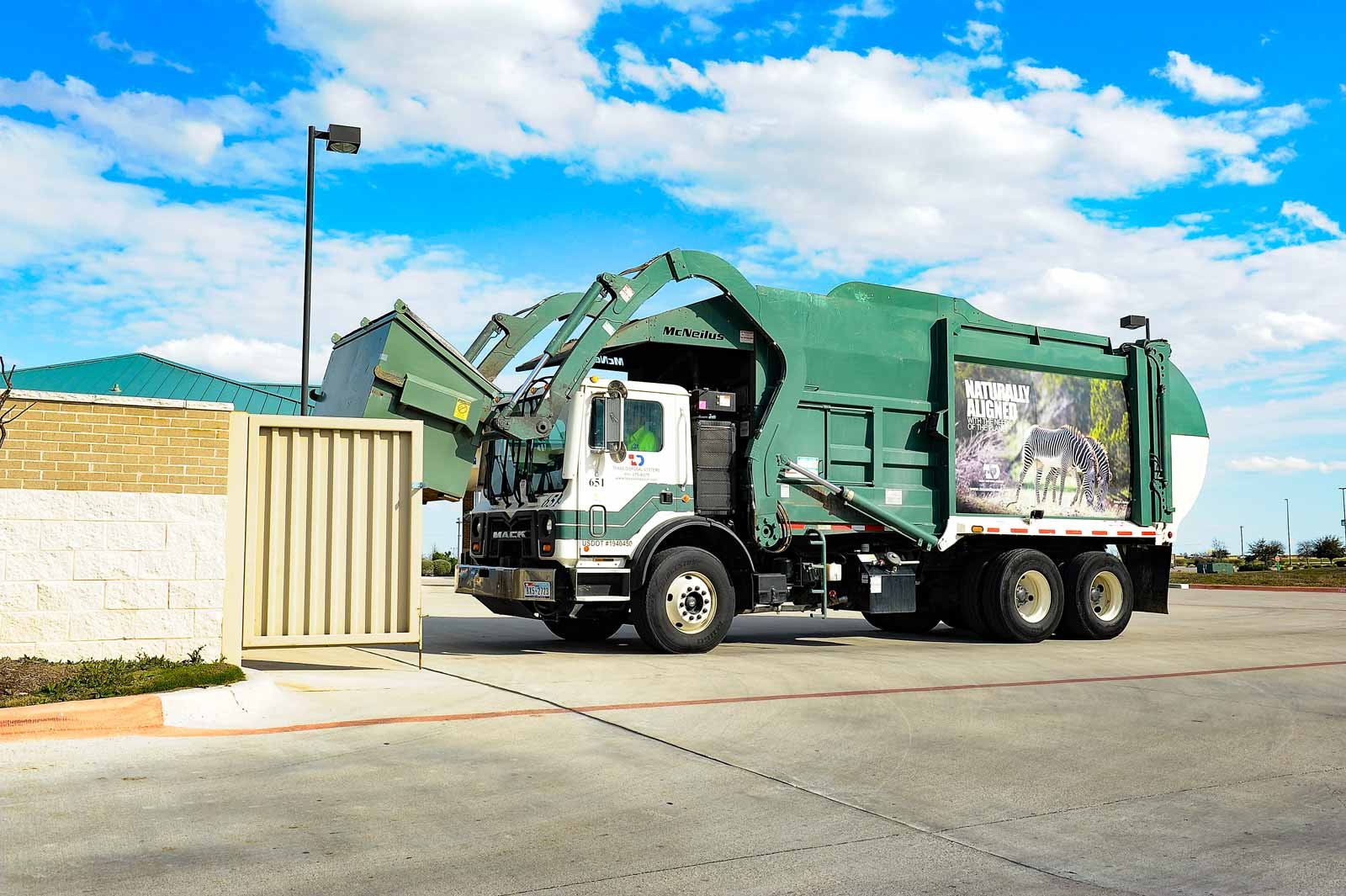
Every cleanup project starts with good intentions. Maybe you’re finally clearing out the garage, renovating an old kitchen, replacing a roof, or preparing a property for new tenants. Then the debris starts piling up, and suddenly the project looks a whole lot more complicated.
This is where choosing the right local dumpster service can make life easier. Instead of filling your driveway with bags and broken materials or making repeated trips to the landfill, you have one designated place for the waste. It’s not glamorous, admittedly, but it can save hours of work and keep a messy project under control.
Why Local Dumpster Services Can Be More Convenient
There’s something useful about working with a company that understands the area. Local providers are generally familiar with nearby disposal facilities, delivery routes, common regulations, and the practical challenges of placing dumpsters in residential and commercial spaces.
That local knowledge can matter more than people realize.
For example, a driveway might look perfectly spacious from the street but become difficult for a delivery truck to access. A local provider may know what equipment is needed or suggest a better placement option. They can also explain local rules regarding street placement or permits when applicable.
And when you have a question, you’re not necessarily dealing with a faceless system halfway across the country. Sometimes, a quick conversation with someone who knows the area is exactly what you need.
Choosing a Dumpster for Your Specific Needs
Not every cleanup produces the same amount or type of waste. A small bedroom cleanout is obviously different from a full home renovation.
Before ordering, think about what you’re actually removing. Old furniture takes up plenty of room, while construction materials can be surprisingly heavy. Roofing shingles, concrete, brick, and soil may also have specific disposal or weight considerations.
Dumpster sizes are usually measured in cubic yards. If you’re unsure which size makes sense, describe your project to the rental company. Explain what materials you expect to discard and roughly how much there will be.
It’s better to spend a few minutes getting advice than to discover halfway through the project that your container is already overflowing.
Look for Reliable Service, Not Just a Cheap Price
Price matters. Nobody wants to pay more than necessary. But choosing a provider based only on the lowest advertised rate can sometimes backfire.
A reliable service should provide clear information about delivery, pickup, rental duration, accepted materials, and potential additional fees. If those details are difficult to find or the company avoids answering basic questions, that’s worth considering before you book.
Look for straightforward pricing and clear communication. Customer reviews can also provide useful clues, especially comments about whether dumpsters arrived when promised and whether pickup happened on schedule.
A few dollars saved upfront may not feel like a bargain if a delayed delivery leaves your construction crew standing around or your driveway covered in debris.
Easy Scheduling Helps Keep Everything on Track
Cleanup projects don’t always happen according to a perfect calendar. A contractor might finish demolition earlier than expected. A home cleanout could take an extra weekend. Weather can throw everything sideways.
That’s why easy scheduling is such a valuable part of dumpster rental.
A good rental process should make it reasonably simple to select a delivery date, provide your location details, and arrange pickup. Some companies allow you to adjust the schedule when circumstances change, although policies vary.
When booking, don’t just choose the first available date without thinking about your project. Ideally, the dumpster should arrive shortly before the work that creates the most debris begins. That way, waste has somewhere to go from day one.
What Can You Put in a Dumpster?
Most dumpsters are designed for common household and construction debris, but there are limits.
Depending on the provider and local disposal rules, acceptable materials may include furniture, wood, drywall, flooring, carpeting, cardboard, and general renovation waste.
Certain items may be prohibited or require special handling. Chemicals, batteries, tires, some electronics, hazardous materials, and other restricted waste shouldn’t simply be tossed into a rental container.
Always ask the provider about prohibited items before loading the dumpster. Disposal regulations can differ from one location to another, so never rely entirely on what you’ve heard from a friend or neighbor.
Prepare the Drop-Off Area Before Delivery
A little preparation can prevent a surprisingly big headache.
Choose a location that is firm, accessible, and large enough for the dumpster. A driveway is often a practical option, but make sure the delivery truck has enough space to approach and position the container safely.
Move vehicles and other obstacles out of the way before delivery. Watch for low-hanging branches, narrow gates, fences, and overhead wires. If you live in a neighborhood with an HOA or local restrictions, check whether there are any additional rules.
If the dumpster needs to be placed on a public street, contact the appropriate local authority to determine whether a permit is required.
Keep the Dumpster Safe and Usable
Once the container arrives, don’t treat it like an endless pit.
Distribute heavy materials evenly instead of concentrating everything in one corner. Avoid putting debris above the fill line, and never allow sharp or bulky items to stick dangerously out of the container.
Keeping the area around the dumpster clear also helps. Children, pets, visitors, and workers should be able to move around the property without encountering loose debris.
For construction projects, regular cleanup is especially helpful. Tossing waste into the dumpster throughout the day prevents large piles from accumulating around the work area.
Ask the Right Questions Before Booking
Before committing to a rental, ask a few practical questions:
- What dumpster sizes are available?
- How long is the standard rental period?
- What does the quoted price include?
- Are there weight limits or overage charges?
- Which materials are prohibited?
- How much notice is needed for pickup?
- Can the rental period be extended?
- Is a permit required for the placement location?
These aren’t complicated questions, but the answers can make the difference between a smooth rental and an annoying one.
A Better Cleanup Starts With the Right Plan
Renting a dumpster isn’t necessarily difficult, but choosing the right provider does require a little thought. The goal isn’t simply to find a container. You want one that arrives when you need it, fits the volume of waste you’re generating, and comes with clear terms and dependable communication.
Whether you’re tackling a weekend decluttering project or coordinating a major renovation, a well-planned dumpster rental can take one major chore off your plate.
The mess may still be there. The dust probably will be too. But at least you’ll have somewhere sensible to put it—and sometimes, that’s half the battle.