From the Kitchen Tap to the Workplace: Choosing the Right Water Treatment
Water is one of those things we rarely think about until something feels wrong. A strange taste in the morning coffee, white marks around the faucet, or water that simply doesn’t seem as pleasant as it used to can turn an everyday routine into a small annoyance. In a business setting, the stakes can be even higher because water is often part of daily operations.
Whether you’re trying to improve water at home or looking after a workplace, understanding your options is the first step. The right treatment isn’t necessarily the most expensive one. It’s the one that addresses the actual issue without making things unnecessarily complicated.
Start by Looking at What Your Water Is Doing
Before choosing equipment, pay attention to the clues. Water can leave spots on dishes, create mineral deposits around fixtures, affect the taste of beverages, or develop an unusual smell. Sometimes the problem is obvious. Other times, it creeps up slowly and becomes part of the background.
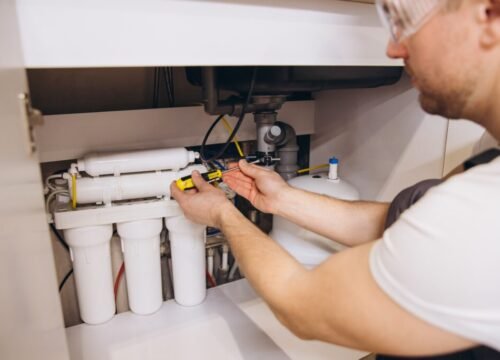
For drinking and cooking, drinking systems can provide a focused solution. Depending on the home’s water quality, homeowners may consider filtration, reverse osmosis, or other point-of-use options. These systems are designed to improve water at the places where people actually consume it, rather than necessarily treating every gallon entering the property.
But there is an important distinction here. A system designed for drinking water isn’t automatically a solution for hard water throughout the house. If mineral buildup is affecting showers, appliances, and plumbing, a broader treatment approach may be necessary.
Not Every Water Problem Looks the Same
Hard water is one of the most common household concerns. Calcium and magnesium can create scale on showerheads, faucets, and appliances. Soap may not lather as easily, dishes can develop cloudy spots, and cleaning the bathroom can become a surprisingly regular chore.
Then there are taste and odor issues. Some people notice a chlorine-like taste, while others describe their water as metallic, earthy, or simply unpleasant. These characteristics don’t necessarily tell you whether water is safe, but a persistent change is worth investigating.
This is where water problems & specialty solutions become important. Instead of assuming one filter will fix everything, homeowners can identify the specific characteristic causing the trouble and choose treatment accordingly. A softener, carbon filter, reverse osmosis system, or specialty filter may each have a different role.
Testing Is More Useful Than Guessing
It can be tempting to buy a water-treatment system based on a friend’s recommendation. Maybe your neighbor has a softener and swears by it. Maybe a particular filter has hundreds of positive reviews online.
That’s helpful background, but your water is still your water.
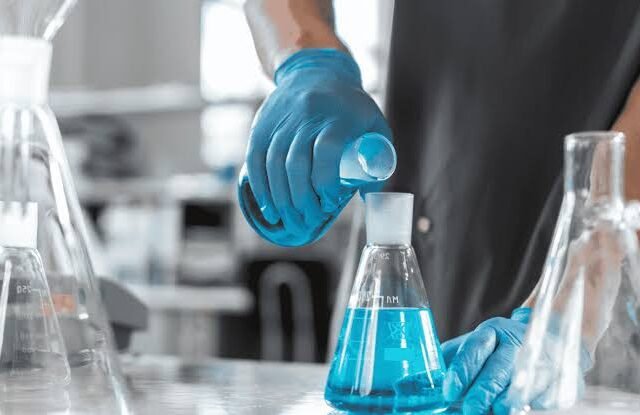
A basic water test can reveal hardness and other measurable characteristics. More detailed testing may be appropriate when there are concerns about specific substances. Once you know what you’re dealing with, the equipment selection becomes much more logical.
It’s a bit like fixing a car. You wouldn’t replace the engine because the headlights stopped working. First, you’d figure out what’s actually wrong.
When Whole-Home Treatment Makes Sense
If the issue affects more than the kitchen, whole-home treatment may be worth considering. Water enters through the home’s main supply and then travels to showers, sinks, appliances, and outdoor fixtures.
For households dealing with hard water, whole-home softening can address mineral content before it moves through the plumbing. Filtration can also be used when the concern involves sediment, taste, odor, or other characteristics that affect multiple points of use.
The right system depends heavily on the water source and household demand.
Businesses Have Different Water Needs
A restaurant, hotel, office building, manufacturing facility, or healthcare property can use a considerable amount of water every day. The equipment that works for a family of four isn’t necessarily appropriate for a commercial property.
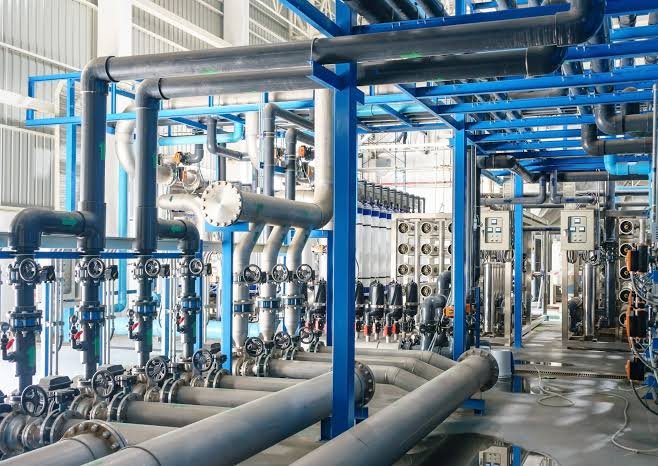
That’s where commercial water treatment comes into the conversation. Business owners may need systems designed for higher flow rates, larger volumes, specialized applications, and more consistent performance.
For example, a restaurant may care deeply about water used in ice machines, coffee equipment, dishwashing, and food preparation. Hard water can affect equipment and create additional cleaning requirements. A commercial facility may instead have different concerns related to process water or building-wide plumbing.
Commercial treatment therefore needs to be approached with the operation itself in mind.
Maintenance Is Part of the Solution
One mistake people sometimes make is thinking of water treatment as a one-time purchase. Install the system, forget about it, and everything should continue working perfectly.
Real life doesn’t quite work that way.
Filters need to be replaced. Components wear out. Softening equipment may need service, and commercial systems may require scheduled inspections to keep performance consistent.
A maintenance plan can make this easier, particularly for businesses that can’t afford unexpected downtime. At home, simple reminders for filter changes and routine inspections can prevent small problems from becoming bigger ones.
Think About the Long-Term Value
Price is obviously important, but it’s only one part of the decision. Look at installation costs, replacement parts, service requirements, operating expenses, and expected equipment life.
A cheaper system may not be a bargain if replacement filters are expensive or difficult to obtain. Likewise, an advanced system may not provide good value if it treats problems you don’t actually have.
The goal is balance: effective treatment, sensible maintenance, and a system that fits the way you use water.
Making Water Treatment Less Complicated
Water treatment doesn’t have to feel like a technical maze. Start by paying attention to what your water is doing. Test it when appropriate. Identify the actual concern and then compare technologies designed to address that concern.
For homeowners, that might mean improving drinking water or reducing scale throughout the house. For businesses, it may mean protecting equipment, maintaining consistent water quality, and keeping daily operations running smoothly.
There isn’t one perfect system for everyone, and that’s actually a good thing. It means treatment can be tailored to real needs instead of forcing every property into the same solution.
At the end of the day, good water treatment should make life easier, not more complicated. You turn on the tap, fill a glass, make your coffee, run the dishwasher, or get back to work—and the water simply does what you expect it to do. That’s a small convenience, perhaps, but it’s one you notice every single day.