Making Sense of Better Water: Softening, Purification, and pH Balance at Home
Water is one of those household essentials we tend to notice only when something feels off. Maybe the shower leaves a chalky film on the glass. Perhaps the coffee tastes slightly different than it used to. Or you’ve started seeing spots on freshly washed dishes. None of these things necessarily mean there’s a serious problem, but they can be signs that your home’s water chemistry deserves a closer look.
The interesting thing about water treatment is that there isn’t one universal solution. Different water conditions call for different technologies. Hardness, dissolved contaminants, unpleasant tastes, acidity, and microbial concerns are separate issues, and treating one doesn’t automatically fix the others. A little knowledge can save a homeowner from buying equipment that sounds impressive but doesn’t address the actual problem.
Know What You’re Trying to Fix
Before choosing a system, start with a basic question: What exactly is wrong with the water?
A laboratory water test can provide useful answers. Depending on your supply, testing might measure hardness, pH, iron, manganese, total dissolved solids, chlorine, and other characteristics. Private wells may require additional testing because groundwater chemistry can vary significantly.
This step is easy to skip. After all, if the water tastes strange, it’s tempting to simply buy a filter. But taste alone doesn’t identify the cause. A metallic flavor, for example, could have several explanations.
Testing gives you something much more valuable than a sales pitch: information.
Understanding Water Hardness
Hardness is one of the most common reasons homeowners start exploring treatment. Calcium and magnesium are the primary minerals responsible for hardness, and they can create scale on faucets, showerheads, dishes, and plumbing surfaces.
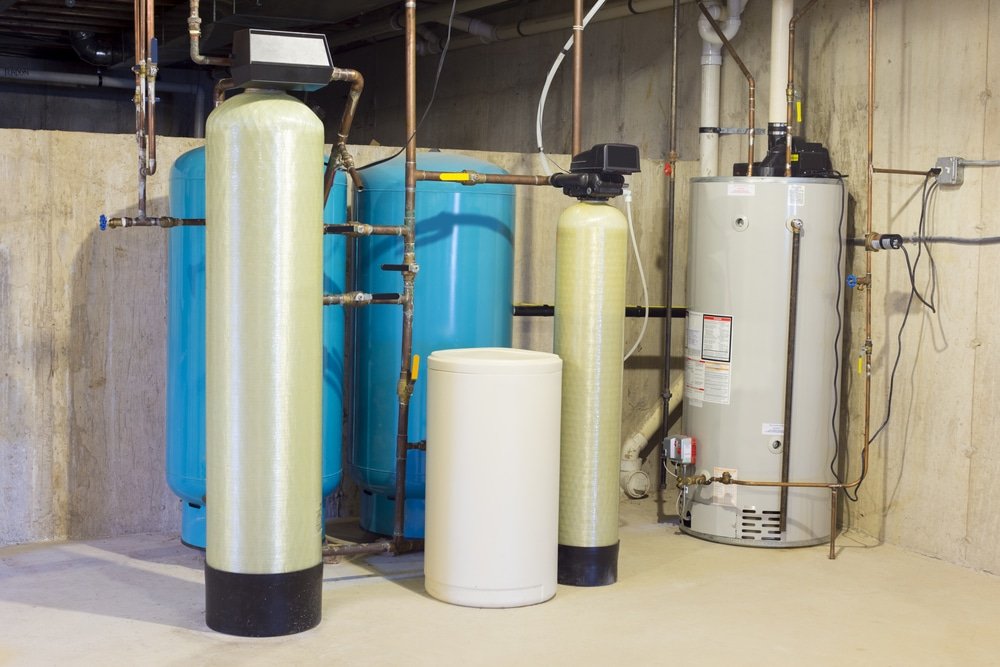
A softening system can reduce these minerals, helping household soap work more effectively and limiting scale formation. It may also help protect water heaters and other equipment from excessive mineral deposits.
For homeowners researching kinetico water softeners, it’s worth looking beyond the brand name and considering the actual water conditions, household size, regeneration requirements, maintenance, and long-term operating costs. A system should be properly sized for both the home’s water chemistry and its daily demand.
The best equipment is ultimately the equipment that fits the situation.
Soft Water Isn’t Purified Water
This distinction causes plenty of confusion.
A water softener is designed primarily to address hardness. It doesn’t automatically remove every contaminant or make water microbiologically safe. If you’re concerned about drinking-water quality, another treatment method may be appropriate.
That might include activated carbon filtration, reverse osmosis, ultraviolet disinfection, or a combination of technologies. The right choice depends on the results of testing and what you’re hoping to achieve.
Think of treatment technologies as tools in a toolbox. You wouldn’t use a screwdriver to hammer a nail just because it’s already sitting on the workbench.
Choosing a Drinking-Water Solution
Many households don’t need every gallon of water in the house to receive the same level of purification. Drinking and cooking water can have different requirements from water used for laundry, toilets, or outdoor cleaning.
A point-of-use drinking water system can focus treatment where it matters most. Depending on the design, it might reduce chlorine, dissolved solids, certain chemicals, or other substances identified during testing.
Reverse osmosis is one common approach for reducing many dissolved substances. Carbon filtration is often used for taste and odor improvement. UV treatment can provide microbial disinfection when the incoming water and system design are appropriate.
No technology is perfect, though. Filters need replacement, membranes require maintenance, and systems have different water and energy requirements. Understanding those practical details before installation makes ownership much easier.
Why pH Deserves Attention
pH is another part of the water-quality puzzle. It measures how acidic or alkaline water is, and unusually low or high pH can influence taste, plumbing behavior, and treatment performance.
In some homes, acidic water may interact with plumbing materials and contribute to corrosion. In other situations, alkaline conditions may contribute to scale or affect how water tastes.
pH control should therefore be approached based on testing rather than guesswork. Depending on the water chemistry, treatment might involve neutralizing media, chemical adjustment, or other specialized equipment.
Changing pH without understanding the whole water profile isn’t necessarily a good idea. Water chemistry is interconnected, and correcting one parameter can influence another.
Consider the Entire Plumbing System
Water treatment doesn’t happen in a vacuum. Your pipes, water heater, faucets, appliances, and fixtures are all exposed to the same water.
Hardness may create mineral scale. Aggressive water can contribute to corrosion. Sediment can accumulate in fixtures and valves. Chlorine may affect taste and odor.
If you keep repairing the same plumbing issue over and over, consider whether water chemistry could be contributing. A plumber can examine physical components, while water testing can reveal whether the supply itself has characteristics that deserve attention.
Sometimes the solution is treatment. Sometimes it’s a plumbing repair. And occasionally, it’s both.
Maintenance Is Part of the Purchase
It’s easy to focus on the installation price and forget what happens afterward.
Every treatment system needs some form of maintenance. Filters eventually become exhausted. UV lamps have service intervals. Softener components require periodic attention. RO membranes don’t last forever.
Ask about replacement schedules before buying anything. Find out what parts cost and whether they’re readily available. If professional service is required, understand how frequently it’s recommended.
A system that costs slightly less upfront may become more expensive if its replacement parts are costly or difficult to obtain. Long-term value matters more than the sticker price.
Water Usage and Efficiency Matter
Water treatment can affect household resource consumption. Some softeners use water during regeneration, while reverse osmosis systems typically produce a concentrated reject stream.
This doesn’t automatically make either technology unsuitable. It simply means efficiency should be part of the conversation.
Look for equipment that matches your actual household demand. Oversizing can add unnecessary expense, while undersizing may leave you with poor performance. Ask about water consumption, electricity requirements, regeneration settings, and expected service life.
These aren’t glamorous questions, but they’re the ones you’ll appreciate answering later.
Don’t Let Marketing Make the Decision
Water treatment advertisements can make almost any system sound like a miracle. That’s understandable—companies are trying to sell products. But homeowners should separate marketing language from measurable performance.
Look for independent testing information, clear specifications, maintenance requirements, and realistic claims. If a salesperson recommends a system, ask what specific water-quality problem it addresses and what test result supports that recommendation.
A trustworthy professional shouldn’t be uncomfortable with those questions.
Better Water Begins With a Better Process
Improving household water doesn’t have to become an endless search for the latest equipment. Start with the basics. Test the water, understand the results, identify your priorities, and then compare technologies that are actually designed for those conditions.
For one household, softening may make the biggest difference. Another may benefit from targeted drinking-water purification. Someone else may need pH adjustment or microbial disinfection.
There’s no prize for owning the most complicated treatment setup. What matters is having clean, appropriately treated water and equipment that you can maintain without turning it into a second job.
In the end, good water treatment is less about chasing perfection and more about solving the right problem. Once you understand what’s happening inside your water—and inside your plumbing—the choices become much clearer. And that’s a pretty good place to start.