Better Water at Home: Finding the Right Treatment for Your Needs
We tend to notice water only when something feels wrong with it. A strange taste in the morning coffee. White spots on freshly washed glasses. Maybe a faint odor that wasn’t there a few weeks ago. Water is supposed to be one of those simple things in life, so when it starts acting differently, it can be surprisingly frustrating.
The good news is that improving household water quality doesn’t necessarily mean buying the most complicated equipment on the market. The right solution depends on what’s actually in your water, how much water your household uses, and what you want the treatment system to accomplish. A little testing and some thoughtful planning can go a long way.
Start by Understanding Your Water
Before choosing any equipment, find out what you’re dealing with. Water can contain minerals, sediment, chlorine, iron, microorganisms, or other substances depending on its source and local conditions.
Hard water, for example, can leave scale on faucets and shower doors. Sediment can affect fixtures and appliances. Chlorine may influence taste and smell. Some contaminants aren’t noticeable at all, which makes water testing especially valuable.
A water test gives you something concrete to work with. Instead of choosing a filter because an advertisement says it is “powerful,” you can select technology designed around your actual water conditions.
That distinction matters. More filtration isn’t automatically better filtration.
How Reverse Osmosis Fits Into the Picture
For homeowners concerned about drinking-water quality, reverse osmosis systems are often worth considering. Reverse osmosis uses a semipermeable membrane to reduce many dissolved substances from water.
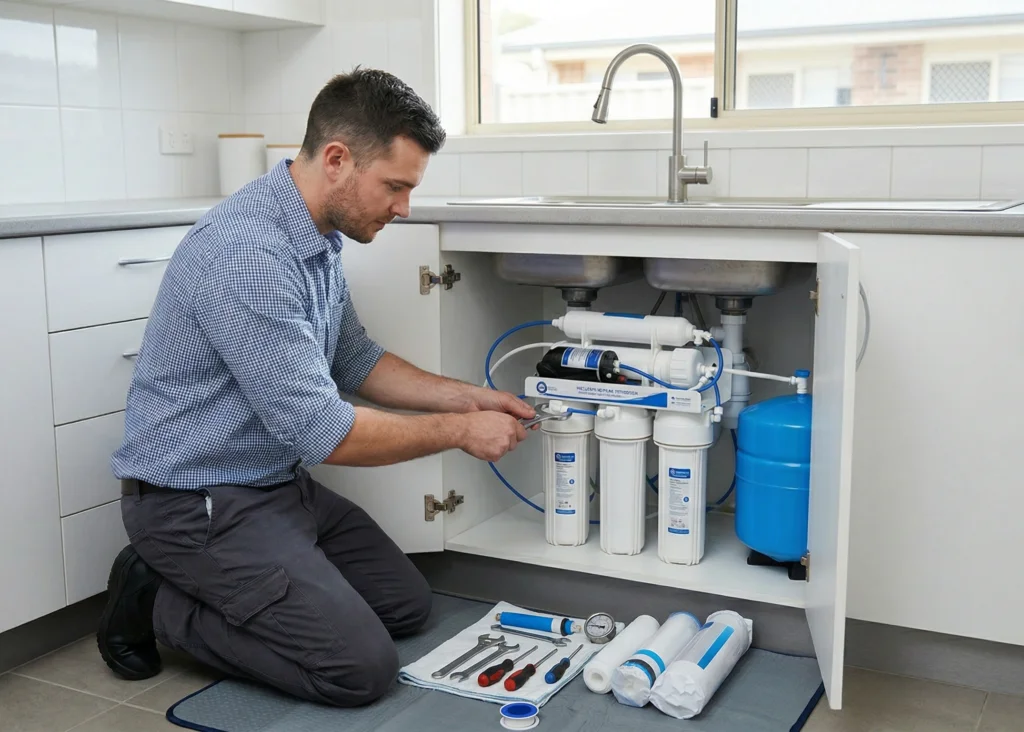
These systems are commonly installed beneath a kitchen sink and provide treated water through a dedicated faucet. They’re particularly useful when homeowners want an additional level of treatment for drinking and cooking water.
However, reverse osmosis isn’t a magic wand. It can produce some wastewater, requires filter and membrane replacement, and may not be necessary for every household.
The best approach is to look at your water test results first. If the water doesn’t contain substances that require reverse-osmosis treatment, another filtration method could be simpler and more economical.
Don’t Forget About Taste and Convenience
Water quality isn’t only about laboratory numbers. Taste matters too.
If your household avoids tap water because it tastes unpleasant, you may find yourself buying bottled water regularly. That’s expensive over time and creates a steady stream of plastic waste.
A properly selected filtration system can make tap water more enjoyable, which sounds like a small improvement but can change everyday habits. Suddenly, filling a reusable bottle before heading out the door becomes the obvious choice.
For workplaces, gyms, waiting rooms, and other shared spaces, water coolers can also provide a convenient way for people to access drinking water. The key is keeping the equipment clean and maintained, because convenience shouldn’t come at the expense of hygiene.
Whole-Home Treatment vs. Drinking-Water Treatment
One common mistake is assuming every water problem needs to be treated at the same point.
If your primary concern is drinking water, a point-of-use system may be enough. But if you’re dealing with hard water throughout the property, treating only one kitchen faucet won’t solve scale in the shower or protect appliances elsewhere.
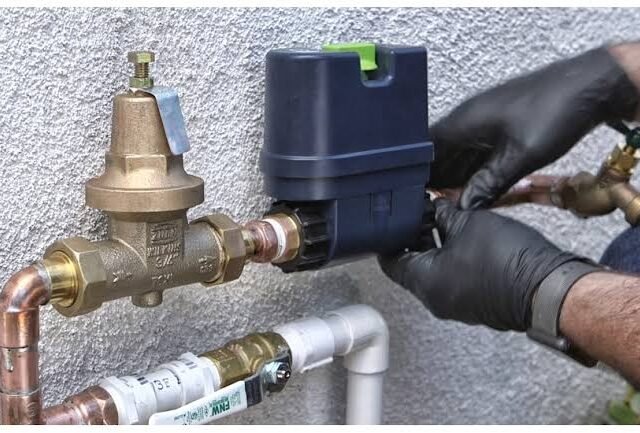
Whole-home treatment can address water as it enters the house. Depending on the problem, this could involve a softener, sediment filter, carbon filtration, iron treatment, or another technology.
Think about how the water is being used. Drinking and cooking are only part of the picture. Showers, washing machines, dishwashers, water heaters, and bathroom fixtures all interact with your home’s water supply.
Choosing Equipment That Matches Your Household
A treatment system should be sized according to actual water usage.
A small household with one bathroom has very different demands from a busy family with several bathrooms. If a system is undersized, it may struggle during periods of heavy usage. Oversizing can also be wasteful, leaving you with equipment that costs more without providing meaningful benefits.
Ask about flow rate, capacity, regeneration cycles, filter life, and operating costs. These details may sound technical, but they’re important when you’re making a long-term purchase.
Also consider future needs. If you’re planning an addition or another bathroom, mention it to the installer. A little planning now can prevent an expensive upgrade later.
Maintenance Is Part of the Deal
Water treatment equipment isn’t completely “set it and forget it.” Filters need changing, membranes eventually wear out, and moving parts may require inspection.
This is where maintenance becomes important.
If water quality suddenly changes, pressure drops, or the system begins making unusual noises, don’t ignore it. Something may need attention.
Professional water treatment repair can help diagnose problems that aren’t obvious to the average homeowner. A qualified technician can check components, identify worn parts, and determine whether the system needs a repair or a more significant service.
It’s also smart to keep records of filter changes and routine maintenance. It takes only a few minutes and makes troubleshooting much easier later.
Think About Long-Term Costs
The purchase price is only one part of the financial picture.
Before committing to a system, ask about replacement filters, membranes, salt, electricity, servicing, installation, and warranty coverage. A system that looks inexpensive at first can become costly if consumables are expensive or difficult to find.
On the other hand, paying a little more for reliable equipment and straightforward maintenance may save money over its useful life.
Don’t be shy about asking for a complete cost estimate. A trustworthy provider should be able to explain what you’re paying for without making you feel like you’re sitting through a sales pitch.
A Smarter Way to Improve Your Water
There’s no universal “best” water treatment system. The right choice is the one that addresses your actual water-quality concerns while fitting your home, budget, and daily routine.
Start with testing. Understand the results. Compare treatment technologies, installation requirements, maintenance needs, and long-term costs.
And remember, good water treatment doesn’t have to be complicated. Sometimes the smartest solution is the one that quietly works in the background, making your water taste better, protecting your plumbing, and giving you one less thing to worry about.
That’s really the goal: not fancy equipment for its own sake, but dependable water you can feel comfortable using every single day.