Unclog Drain DIY: Simple Fixes Before Calling a Plumber
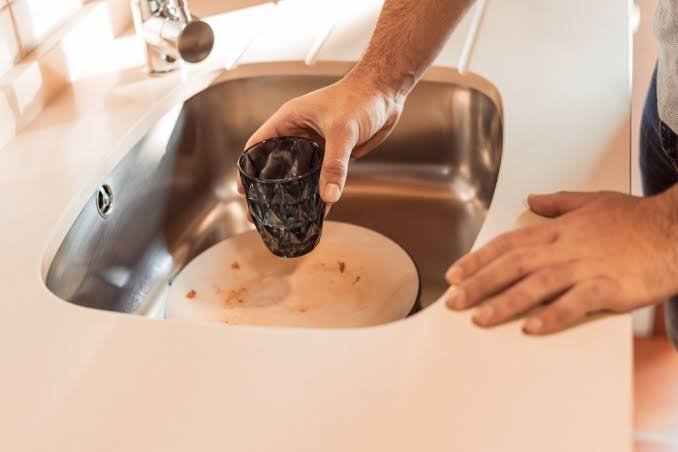
A slow-draining sink or shower is one of the most common household annoyances, but you don’t always need professional help to fix it. Learning how to unclog drain DIY methods can save you both time and money before reaching for the phone.
Most clogs are caused by everyday buildup like hair, grease, or soap residue, which means simple household tools and ingredients can often clear them effectively. In this guide, we’ll walk through practical unclog drain DIY techniques that work for kitchens, bathrooms, and beyond, along with tips to prevent clogs from returning.
Why Try Unclog Drain DIY Methods First
Before calling a plumber for every minor clog, trying unclog drain DIY techniques first often solves the problem quickly and affordably.
- Most common clogs involve materials easily broken down with household items
- DIY methods cost significantly less than a professional service call
- Many techniques take only 15-30 minutes to attempt
Reserving professional help for persistent or complex blockages while handling minor clogs yourself is a practical, cost-effective approach.
Boiling Water: The Simplest Unclog Drain DIY Trick
One of the easiest unclog drain DIY methods requires nothing more than water and your stovetop.
Boiling water helps dissolve grease and soap buildup, which are common causes of slow-draining sinks and bathtubs.
How to do it:
- Boil a full kettle of water
- Pour it slowly down the drain in two to three stages
- Allow a few seconds between pours for the heat to work
This method works best on minor clogs and is a good first step before trying more involved unclog drain DIY techniques.
Baking Soda and Vinegar: A Natural Clog Buster
Combining baking soda and vinegar is one of the most popular unclog drain DIY solutions, known for its natural fizzing action that helps break down debris.
- Pour half a cup of baking soda down the drain
- Follow with half a cup of white vinegar
- Cover the drain and let it sit for 15-20 minutes before flushing with hot water
(Internal link suggestion: link to an article on “Natural Cleaning Products That Actually Work” for more household solutions)
This reaction helps loosen grease, soap scum, and minor organic buildup without harsh chemical drain cleaners.
Using a Plunger for Stronger Clogs
When water and baking soda aren’t enough, a plunger is a classic and effective unclog drain DIY tool for tackling stronger blockages.
Steps for effective plunging:
- Ensure enough water covers the plunger’s rubber cup
- Create a tight seal around the drain opening
- Push and pull vigorously for 15-20 seconds, then check drainage
For double sinks, blocking the second drain opening ensures proper suction pressure during plunging.
Removing Clogs With a Drain Snake or Wire Hanger
For clogs caused by hair or solid debris, a drain snake is one of the most effective unclog drain DIY tools available.
- Insert the snake into the drain and rotate gently while pushing forward
- Pull back slowly to remove trapped hair or debris
- Repeat the process until water drains freely
Budget alternative: A straightened wire hanger with a small hook at the end can work similarly to a drain snake for shallow clogs.
(Internal link suggestion: link to an article on “Signs of a Hidden Water Leak Before It Becomes a Disaster” for related plumbing awareness)
Cleaning the P-Trap for Persistent Clogs
If surface-level unclog drain DIY methods don’t work, checking the P-trap under your sink often reveals the actual blockage location.
Steps to clean the P-trap:
- Place a bucket underneath to catch any water
- Loosen the P-trap’s connecting nuts with a wrench
- Remove trapped debris and rinse the trap thoroughly before reattaching
This method requires slightly more effort but resolves clogs that simpler techniques often can’t reach.
Preventing Future Clogs After DIY Unclogging
Once you’ve successfully cleared a blockage, preventing future clogs reduces how often you’ll need unclog drain DIY methods again.
- Use drain covers to catch hair and food debris before they enter pipes
- Avoid pouring grease or oil down kitchen sinks
- Flush drains monthly with hot water and baking soda as routine maintenance
(Internal link suggestion: link to an article on “Deep Cleaning Checklist for a Spotless Home in One Weekend” for regular maintenance routines)
Consistent prevention habits significantly reduce the frequency of clogs, saving you time and effort long-term.
When to Stop DIY Attempts and Call a Professional
While unclog drain DIY methods handle most common clogs, certain situations require professional intervention.
- Multiple drains clogged simultaneously often indicate a main sewer line issue
- Persistent clogs despite repeated DIY attempts suggest deeper blockages
- Unpleasant odors combined with slow drainage may indicate more serious plumbing problems
Recognizing when to escalate beyond DIY methods prevents further damage from repeated, ineffective attempts.
Frequently Asked Questions
1. What is the fastest unclog drain DIY method for minor clogs? Boiling water is usually the fastest method, effectively dissolving grease and soap buildup within minutes for minor blockages.
2. Is baking soda and vinegar safe for all types of pipes? Yes, this natural combination is safe for most standard plumbing materials, unlike harsh chemical drain cleaners that can damage older pipes.
3. Can a wire hanger really unclog a drain effectively? Yes, a straightened wire hanger with a small hook can effectively remove hair and debris from shallow drain clogs.
4. How often should I clean my P-trap to prevent clogs? Cleaning the P-trap every few months, or whenever slow drainage occurs, helps prevent significant buildup over time.
5. Are chemical drain cleaners better than unclog drain DIY methods? Not necessarily. Chemical cleaners can damage pipes over time, while natural DIY methods are often equally effective for common clogs.
6. When should I call a plumber instead of trying DIY methods? If multiple drains are clogged simultaneously or DIY methods don’t resolve the issue after repeated attempts, it’s time to call a professional.
Conclusion
Learning effective unclog drain DIY methods — from boiling water and baking soda to plungers and drain snakes — helps you handle most common clogs without an expensive service call. These techniques are simple, affordable, and often surprisingly effective.
Keep these methods in mind for future clogs, and follow preventive habits to reduce how often you’ll need them.
Dealing with a slow drain right now? Try the boiling water and baking soda method first, then work your way through this guide until your drain flows freely again.