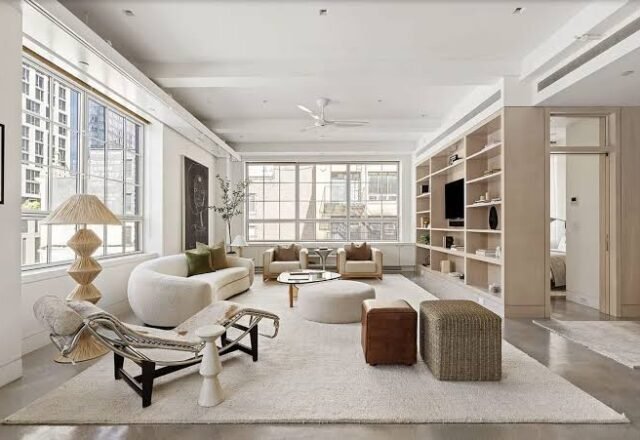
Minimalist Home Design Tips for Small Spaces
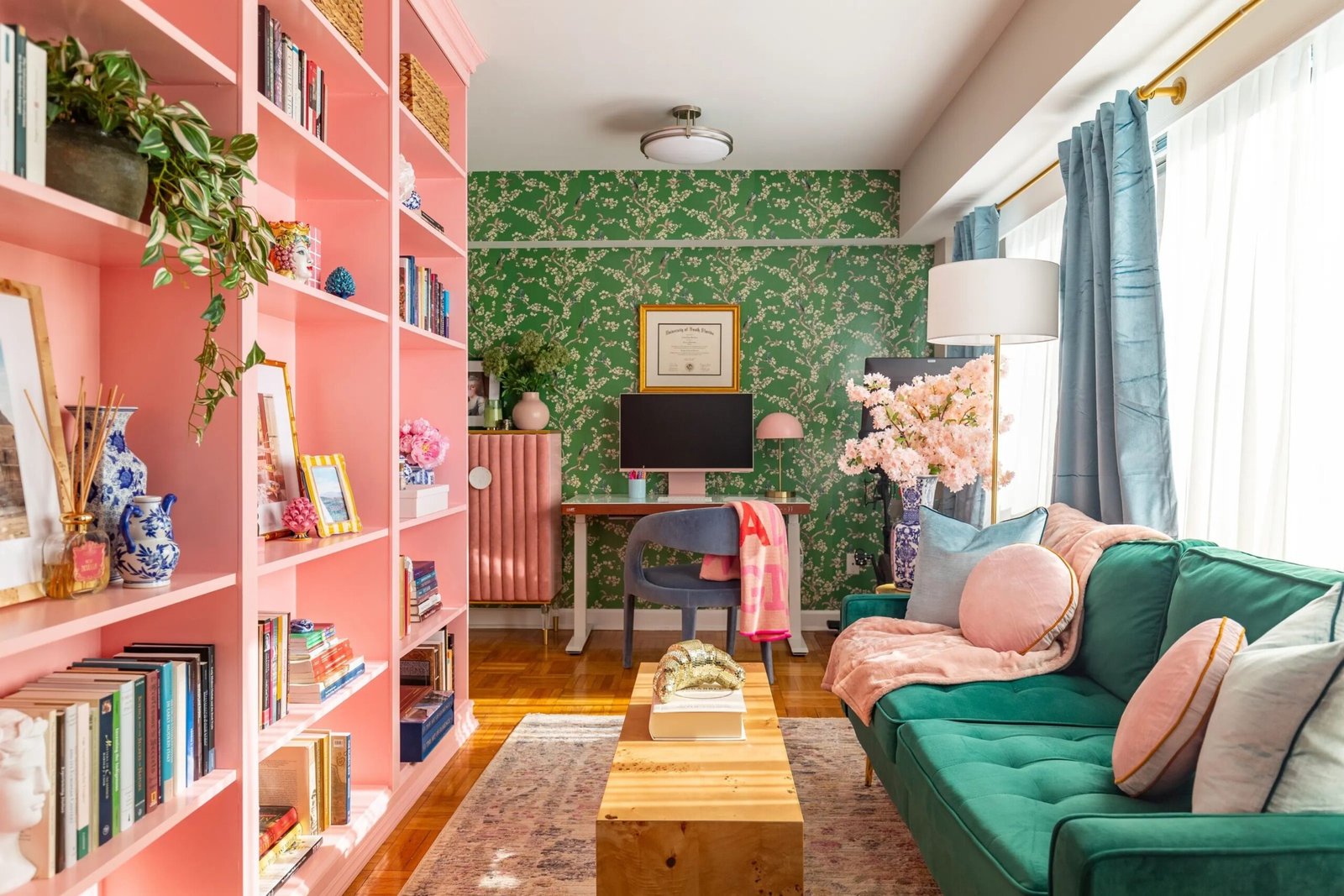
Struggling to make your compact apartment feel open and organized? A minimalist home design small space approach can transform even the tiniest flat into a calm, clutter-free home.
Minimalism isn’t about having an empty house — it’s about keeping only what adds value, so every corner feels purposeful. For homeowners in cities like Mumbai, Bengaluru, or Delhi, where space is a premium, this design philosophy is more relevant than ever.
In this guide, you’ll find practical, budget-friendly tips to bring minimalist principles into your small home — without sacrificing comfort or style.
1. Start With Decluttering, Not Decorating
Before buying anything new, the first step in any minimalist home design small space plan is decluttering. Clutter is the biggest enemy of small spaces.
Try the “one-year rule”: if you haven’t used something in 12 months, it’s time to let it go.
- Donate clothes you no longer wear
- Digitize old documents and photos
- Sell or give away duplicate kitchen items
- Clear out expired products from bathroom cabinets
Practical tip: Do one room at a time instead of tackling the whole house in one day. This keeps the process manageable and sustainable.
2. Choose a Neutral, Cohesive Color Palette
Color plays a huge role in how spacious a room feels. Minimalist homes typically use a restrained palette of two to three colors throughout.
Recommended combinations:
- White or off-white walls with light wood tones
- Soft grey with warm beige accents
- Muted sage green paired with cream
Avoid too many bold or contrasting colors, as they visually break up the space and make it feel smaller. (Internal link opportunity: “Best Paint Colors for Small Homes in 2026”)
3. Invest in Multi-Functional Furniture
Furniture that serves more than one purpose is essential for small-space minimalism.
Consider these options:
- Sofa-cum-beds for guest rooms or studio apartments
- Storage ottomans instead of coffee tables
- Foldable dining tables that expand only when needed
- Wall-mounted desks that fold away after use
This approach reduces the number of items in a room while still meeting daily needs — a core principle of minimalist home design in small spaces.
4. Maximize Vertical Storage
When floor space is limited, the walls become your best friend. Vertical storage is one of the most effective minimalist strategies for compact homes.
- Install floor-to-ceiling shelving units
- Use wall-mounted hooks instead of bulky shoe racks
- Add hanging organizers inside wardrobe doors
- Choose tall, narrow bookshelves over wide ones
By drawing the eye upward, vertical storage also makes ceilings feel higher and rooms feel airier.
5. Let Natural Light Do the Work
Good lighting is a simple but powerful minimalist design trick. Bright, naturally lit spaces automatically feel bigger and calmer.
- Use sheer curtains instead of heavy drapes
- Place mirrors opposite windows to bounce light around
- Avoid blocking windows with tall furniture
- Choose light-colored blinds over dark ones
If natural light is limited, layer in warm LED lighting to mimic daylight during evenings.
6. Keep Décor Minimal but Meaningful
A common misconception about minimalist home design in small spaces is that it means no décor at all. In reality, it’s about choosing fewer, more meaningful pieces.
- Display one piece of art instead of a gallery wall
- Choose a single statement plant over multiple small ones
- Use one accent cushion color instead of five different patterns
This creates visual calm while still reflecting your personality. (Internal link opportunity: “How to Style a Small Living Room on a Budget”)
7. Hide Everyday Clutter With Smart Storage
Even minimalist homes need storage for everyday essentials. The key is keeping it hidden and organized.
- Use baskets with lids for remote controls, chargers, and mail
- Choose beds with built-in drawer storage
- Install cabinets with closed doors instead of open shelving in kitchens
- Use drawer dividers to keep small items organized
Hidden storage keeps surfaces clear, which is essential for that clean, minimalist look.
8. Define Zones Without Walls
In studio apartments or one-room homes, zoning helps create the illusion of separate spaces without physical walls.
- Use a rug to define the living area
- Place a bookshelf as a soft divider between sleeping and living zones
- Use lighting changes to signal different “rooms” within one space
This technique keeps the minimalist home design small space concept functional even in single-room layouts.
FAQs About Minimalist Home Design for Small Spaces
1. What is minimalist home design for small spaces? It’s a design approach focused on decluttering, functional furniture, and a limited color palette to make compact homes feel open and calm.
2. Is minimalist design expensive? No. Many minimalist principles, like decluttering and using multi-functional furniture, are budget-friendly and even save money over time.
3. How do I make a small room look bigger with minimalism? Use light colors, vertical storage, mirrors, and minimal furniture to create an open, uncluttered feel.
4. Can minimalist design work for families with kids? Yes, with smart storage solutions like baskets and closed cabinets to manage toys and daily items without visual clutter.
5. What colors are best for minimalist small spaces? Neutral tones like white, beige, soft grey, and muted greens work best for a calm, spacious feel.
6. How often should I declutter a small minimalist home? A quick declutter every 3 months helps maintain the minimalist look and prevents items from piling up again.
Conclusion
A minimalist home design small space strategy is about intentional choices — decluttering regularly, choosing multi-functional furniture, and letting light and neutral colors do the heavy lifting. These small changes can make even the tiniest home feel open, organized, and peaceful.
Start with just one room this weekend — declutter it, simplify the color scheme, and see the difference for yourself. Your small space has more potential than you think.