HVAC Maintenance Tips to Avoid Costly Repairs
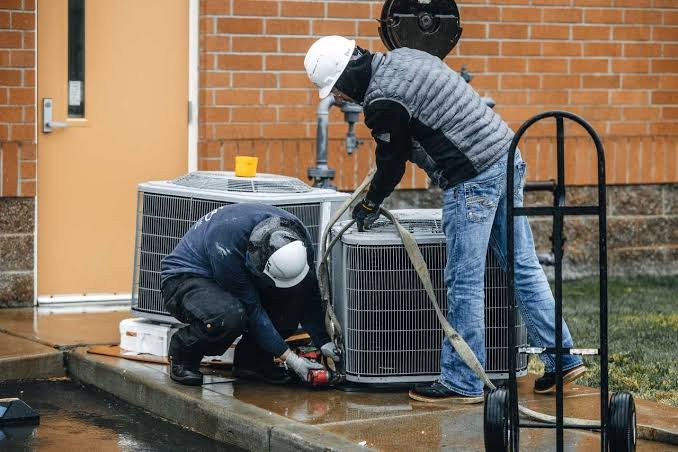
If your heating or cooling system has ever failed at the worst possible moment, you already understand why HVAC maintenance tips matter more than most homeowners realize. Regular upkeep isn’t just about comfort — it’s about avoiding repair bills that could have been prevented entirely.
Most major HVAC breakdowns don’t happen suddenly. They build up gradually through ignored warning signs and skipped maintenance. In this guide, we’ll cover practical HVAC maintenance tips that help your system run efficiently, extend its lifespan, and save you from unexpected repair costs down the line.
Why Following HVAC Maintenance Tips Saves Money Long-Term
Many homeowners only think about their HVAC system when it stops working. By then, repair costs are often significantly higher than routine maintenance would have been.
- Preventive maintenance catches small issues before they become major failures
- Well-maintained systems use less energy, lowering monthly electricity bills
- Regular servicing extends the overall lifespan of your HVAC unit
Following consistent HVAC maintenance tips throughout the year is far more cost-effective than reactive emergency repairs.
Replace or Clean Air Filters Regularly
One of the simplest yet most overlooked HVAC maintenance tips is replacing or cleaning air filters on a regular schedule.
Dirty filters restrict airflow, forcing your system to work harder and consume more energy. Over time, this strain leads to premature wear on internal components.
Best practices:
- Check filters monthly, especially during heavy usage seasons
- Replace disposable filters every 60-90 days
- Clean reusable filters according to manufacturer instructions
This single habit is one of the easiest HVAC maintenance tips to implement, yet it significantly reduces the risk of costly breakdowns.
Schedule Professional Inspections Twice a Year
While DIY care helps, professional inspections remain essential among effective HVAC maintenance tips for catching issues you might miss.
Technicians can identify problems like refrigerant leaks, worn belts, or electrical issues before they cause complete system failure.
- Schedule inspections before summer and winter seasons begin
- Ask technicians to check refrigerant levels and electrical connections
- Request a full system cleaning during each visit
(Internal link suggestion: link to an article on “Seasonal Home Maintenance Checklist: Fall Edition”)
Investing in biannual professional checkups is one of the most valuable HVAC maintenance tips for preventing expensive emergency repairs.
Keep Outdoor Units Clean and Unobstructed
Outdoor HVAC units are often neglected, yet keeping them clean is a crucial HVAC maintenance tip that directly affects system efficiency.
Debris, leaves, and dirt around outdoor condenser units restrict airflow, causing the system to overheat and work inefficiently.
- Clear leaves, grass clippings, and debris around the unit regularly
- Maintain at least 2 feet of clearance around outdoor units
- Gently clean the unit’s exterior fins to remove built-up dirt
Simple outdoor upkeep prevents unnecessary strain on your system, extending its operational life significantly.
Monitor Thermostat Settings for Efficiency
Your thermostat settings play a bigger role in system health than most people realize, making this an important item among practical HVAC maintenance tips.
Constantly adjusting temperatures or setting extreme temperatures forces your system to cycle more frequently, increasing wear over time.
- Use programmable or smart thermostats for consistent scheduling
- Avoid setting extreme temperature differences that strain the system
- Allow gradual temperature adjustments rather than sudden changes
(Internal link suggestion: link to an article on “Smart Home Devices Under $100 That Actually Save Money” for smart thermostat options)
Check and Seal Ductwork Leaks
Leaky ductwork forces your HVAC system to work harder to maintain desired temperatures, wasting energy and increasing repair risk over time.
Signs of duct leaks include:
- Uneven temperatures between rooms
- Higher than expected energy bills
- Visible gaps or disconnected sections in accessible ductwork
Sealing these leaks with appropriate duct tape or having a professional inspect the system is one of the more technical but impactful HVAC maintenance tips available.
Listen for Unusual Noises and Address Them Early
Strange noises from your HVAC system are early warning signs that shouldn’t be ignored, making awareness one of the most practical HVAC maintenance tips homeowners can follow.
- Grinding or squealing often indicates belt or motor issues
- Banging sounds may suggest loose components inside the unit
- Clicking noises repeatedly could indicate electrical problems
Addressing unusual sounds early prevents minor issues from escalating into complete system failures requiring expensive replacement parts.
Maintain Proper Insulation Around Your Home
While not directly part of the HVAC system itself, home insulation significantly affects how hard your system needs to work, making it a relevant addition to any list of HVAC maintenance tips.
- Check attic and wall insulation for gaps or thinning areas
- Seal windows and doors to prevent conditioned air from escaping
- Ensure vents aren’t blocked by furniture or curtains
(Internal link suggestion: link to an article on “Signs You Need a Roof Replacement, Not Just a Repair” for related insulation concerns)
Good insulation reduces the workload on your HVAC system, indirectly extending its lifespan and improving efficiency.
Frequently Asked Questions
1. How often should I follow basic HVAC maintenance tips at home? Simple tasks like filter checks should be done monthly, while professional inspections are typically recommended twice a year.
2. What is the most important HVAC maintenance tip for beginners? Regularly replacing or cleaning air filters is the simplest and most impactful maintenance task for any homeowner to start with.
3. Can neglecting HVAC maintenance really increase repair costs? Yes, ignoring small issues like dirty filters or duct leaks often leads to bigger, more expensive repairs or premature system replacement.
4. Do smart thermostats help with HVAC maintenance? Smart thermostats help maintain consistent temperature settings, reducing unnecessary strain on your system and supporting better overall efficiency.
5. How do I know if my HVAC system needs professional servicing? Unusual noises, inconsistent temperatures, rising energy bills, and reduced airflow are all signs it’s time for a professional inspection.
6. Is DIY HVAC maintenance enough, or do I need a professional? DIY tasks like filter changes and outdoor unit cleaning help, but professional inspections are necessary for checking refrigerant levels and internal components.
Conclusion
Following consistent HVAC maintenance tips — from regular filter changes to professional inspections and duct sealing — helps you avoid costly repairs while keeping your home comfortable year-round. Small, routine efforts consistently prevent the bigger problems that lead to expensive emergency fixes.
Build these habits into your seasonal routine rather than waiting for something to break down.
Want to protect your HVAC investment? Schedule your next professional inspection today and start applying these tips before the next season begins.