DIY Home Security No Subscription: Best Budget Options
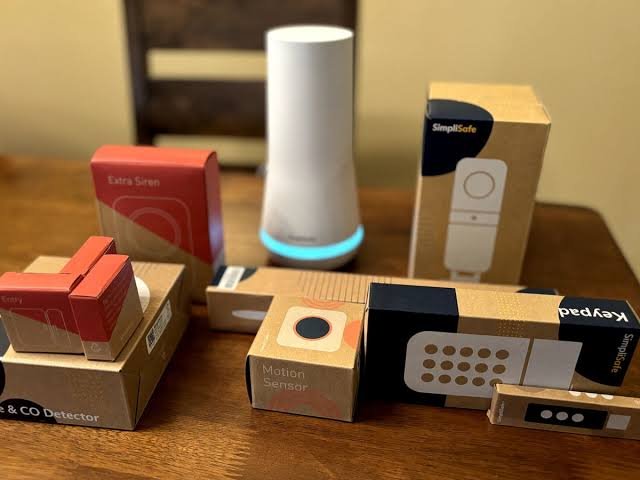
Tired of paying monthly fees just to keep an eye on your own home? A DIY home security no subscription setup gives you the same peace of mind without ongoing costs eating into your budget every month.
Many homeowners assume proper security requires an expensive contract with a monitoring company. That’s simply not true anymore. With the right combination of devices, you can build a reliable DIY home security no subscription system that alerts you directly, records footage locally, and keeps your property safe — all through a one-time purchase. Let’s explore how to set this up effectively.
Why Choose DIY Home Security No Subscription Over Paid Monitoring
Traditional security systems often lock you into monthly contracts, even when you’re capable of monitoring your own home through a smartphone.
- No recurring fees means significant savings over several years
- You retain full control over footage storage and privacy
- Modern devices offer real-time alerts directly to your phone, similar to paid services
Choosing a DIY home security no subscription approach makes sense for homeowners who want reliable protection without ongoing financial commitment.
Smart Video Doorbells With Local Storage
A smart video doorbell is often the first device homeowners add when building a DIY home security no subscription setup.
Look specifically for models offering local storage options, such as a microSD card slot, instead of requiring cloud storage subscriptions.
What to look for:
- Motion detection with instant phone notifications
- Two-way audio to communicate with visitors remotely
- Local storage options to avoid monthly cloud fees
(Internal link suggestion: link to an article on “Smart Home Devices Under $100 That Actually Save Money”)
This single device significantly reduces package theft and lets you monitor your entryway without any ongoing cost.
Wireless Security Cameras With SD Card Storage
Standalone wireless cameras with local SD card storage are essential building blocks of any effective DIY home security no subscription system.
Unlike cloud-based cameras that require monthly plans to access recorded footage, SD card models store everything locally, giving you free access anytime.
- Choose cameras with night vision for 24-hour coverage
- Look for weatherproof models if placing cameras outdoors
- Opt for cameras with motion-triggered recording to save storage space
Positioning cameras at entry points, driveways, and backyards creates comprehensive coverage without any recurring costs.
Door and Window Sensors for Entry Alerts
Simple door and window sensors are inexpensive yet highly effective components of a DIY home security no subscription setup.
These small devices send instant alerts to your phone whenever a monitored door or window opens unexpectedly.
- Install sensors on all ground-floor entry points
- Pair with a smartphone app for real-time alerts
- Choose battery-powered models for easy, wire-free installation
Practical tip: Combine door sensors with motion-activated lighting near entrances for an added layer of deterrence.
(Internal link suggestion: link to an article on “How to Secure Your Home While on Vacation”)
Motion-Activated Outdoor Lighting
Motion-activated lights are one of the most affordable yet effective deterrents in any DIY home security no subscription strategy.
Sudden lighting startles potential intruders and alerts household members or neighbors to unusual activity around the property.
- Install lights near entry points, driveways, and dark corners
- Choose solar-powered options to avoid additional wiring costs
- Combine with cameras for maximum deterrent effect
This affordable addition works alongside cameras and sensors to create a layered, cost-free security approach.
Smart Locks for Keyless, Trackable Entry
Smart locks add another practical layer to DIY home security no subscription systems by removing the vulnerability of traditional keys.
Many models work entirely through Bluetooth or WiFi without requiring monthly service plans, giving you keyless convenience and entry tracking.
- Choose locks with local access logs to monitor entry times
- Look for battery backup features in case of power outages
- Ensure compatibility with your existing door hardware before purchasing
(Internal link suggestion: link to an article on “How to Secure Your Home While on Vacation” for travel security tips)
Smart locks eliminate the risk of lost keys while integrating smoothly into a subscription-free security setup.
Setting Up a Centralized Alert System
To make your DIY home security no subscription setup truly effective, centralizing alerts across all devices is essential.
Most budget-friendly devices connect through free companion apps, allowing you to monitor everything from a single dashboard on your phone.
- Use one consistent app ecosystem across devices where possible
- Enable push notifications for all connected sensors and cameras
- Regularly test devices to confirm alerts are working correctly
A well-organized alert system ensures you’re immediately informed of any unusual activity, matching the responsiveness of paid monitoring services.
Tips to Maximize DIY Home Security No Subscription Coverage
To get the most out of your subscription-free setup, consider these additional practical tips:
- Position cameras to cover blind spots like side entrances and back gates
- Regularly update device firmware for security patches
- Use strong, unique passwords for each connected device
- Combine physical deterrents like security signage with your smart devices
(Internal link suggestion: link to an article on “How to Secure Your Home While on Vacation” for a complete travel security checklist)
Following these practices ensures your DIY home security no subscription system performs reliably over time.
Frequently Asked Questions
1. Is DIY home security without a subscription as effective as paid monitoring? Yes, when set up correctly with cameras, sensors, and smart alerts, DIY systems can offer comparable protection without ongoing costs.
2. What is the best device to start a DIY home security no subscription setup? A smart video doorbell with local storage is usually the best starting point, offering immediate value for monitoring your entryway.
3. Do DIY security cameras require internet to work? Most DIY cameras need WiFi for remote alerts and live viewing, though many still record locally even during brief internet outages.
4. How much does it cost to set up a full DIY home security system? Costs vary based on device choice, but a solid starter setup with a doorbell, sensors, and one camera can be assembled affordably compared to years of subscription fees.
5. Can I expand my DIY home security no subscription system later? Yes, most systems are modular, allowing you to add more cameras, sensors, or smart locks gradually as your budget allows.
6. Are local storage cameras safe from theft or damage? Choosing tamper-resistant camera housings and storing footage both locally and via backup options reduces this risk significantly.
Conclusion
Building a reliable DIY home security no subscription system is entirely achievable with the right combination of smart doorbells, cameras, sensors, and lighting. Each device adds a layer of protection without locking you into recurring monthly costs.
Start with one or two key devices, like a video doorbell and door sensors, then expand your setup gradually based on your home’s specific needs.
Ready to secure your home without monthly fees? Choose your first DIY security device today and start building a protection system that pays for itself.