Bathroom Renovation Mistakes That Cost You Thousands
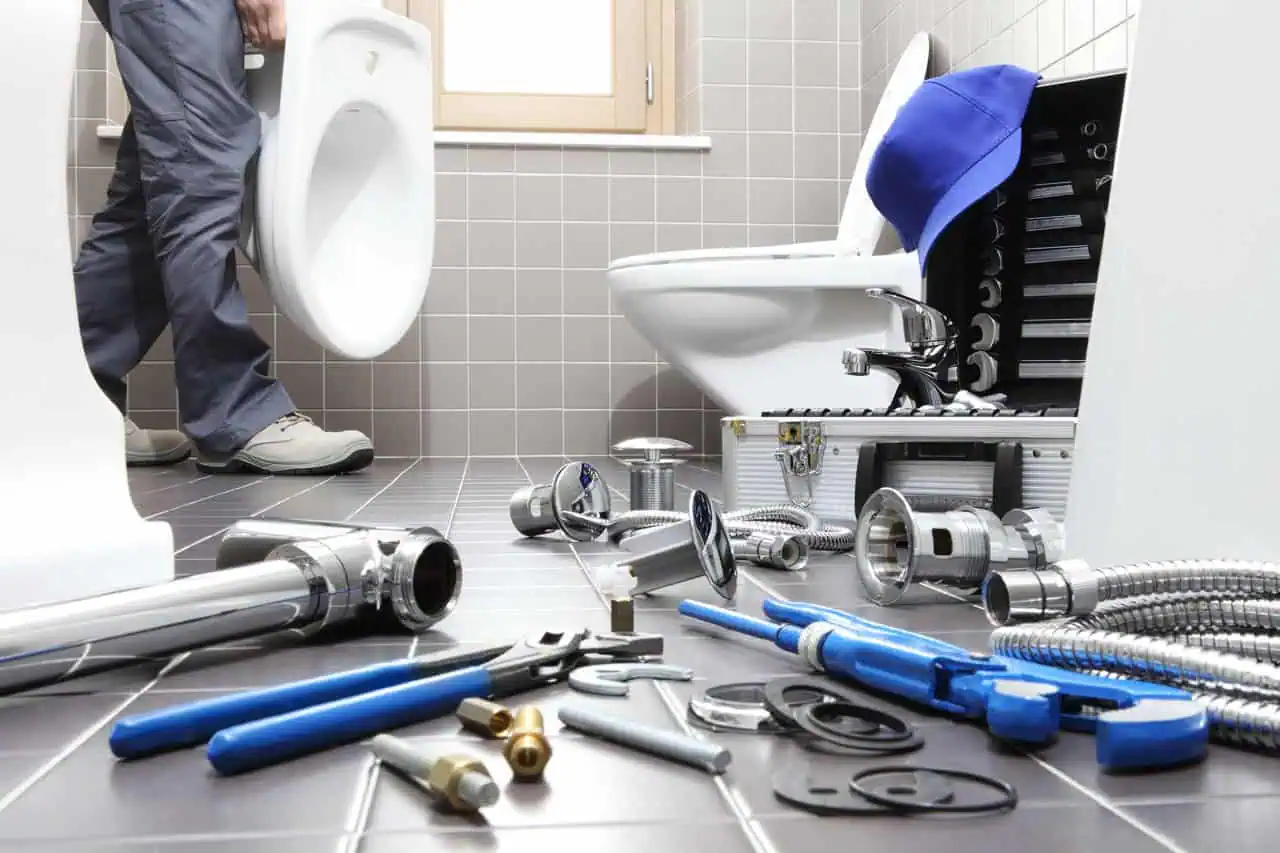
Planning a remodel but worried about making costly bathroom renovation mistakes? You should be — a poorly planned bathroom project can quickly turn a modest budget into a financial headache.
Unlike other rooms, bathrooms involve plumbing, waterproofing, and electrical work all in one small space, which means small errors here often lead to expensive repairs later. In this guide, we’ll cover the most common bathroom renovation mistakes homeowners make, why they happen, and how to avoid them so your remodel stays on budget and lasts for years.
Why Bathroom Renovation Mistakes Are So Costly
Bathrooms are one of the most technically demanding rooms to renovate because they combine plumbing, electrical, and waterproofing in a compact space.
A small oversight here doesn’t just look bad — it can lead to water damage, mold, or structural issues that cost far more to fix than the original renovation.
- Water-related mistakes often go unnoticed until months later
- Fixing hidden damage usually means redoing finished work
- Poor planning upfront leads to expensive mid-project changes
Understanding where these bathroom renovation mistakes typically occur helps you avoid them before they become expensive problems.
Mistake 1: Skipping Proper Waterproofing
One of the most common and costly bathroom renovation mistakes is inadequate waterproofing before tiling begins.
Waterproofing membranes protect walls and floors from moisture seeping into the structure. Skipping this step, or doing it poorly, often leads to damp walls, peeling paint in adjacent rooms, and even structural damage over time.
What to do instead:
- Always apply waterproofing membrane on floors and at least 1.2-1.8 meters up walls near wet areas
- Test for leaks before installing tiles
- Hire a specialist rather than relying on a general contractor for this step
Cutting corners here is one of the few bathroom renovation mistakes that can literally bring down ceilings in the floor below.
Mistake 2: Poor Ventilation Planning
Many homeowners focus entirely on aesthetics and forget ventilation, which is a critical bathroom renovation mistake that leads to long-term mold and odor issues.
Without proper airflow, moisture gets trapped, damaging paint, tiles, and even wooden fixtures over time.
- Install an exhaust fan sized appropriately for your bathroom’s square footage
- Ensure windows, if present, aren’t blocked by new fixtures
- Consider humidity-triggered exhaust fans for consistent moisture control
(Internal link suggestion: link to an article on “Signs of a Hidden Water Leak Before It Becomes a Disaster”)
Mistake 3: Choosing Cheap Fittings to Save Money
Trying to cut costs by choosing the cheapest taps, showers, and fittings is a classic bathroom renovation mistake that backfires within a year or two.
Low-quality fittings corrode faster, leak more often, and require frequent replacement — costing more in the long run than investing in mid-range quality fixtures initially.
Smart approach:
- Spend slightly more on fittings that directly touch water daily (taps, shower mixers)
- Save on decorative elements like mirrors or shelving instead
- Check warranty periods before purchasing fittings
Balancing where to spend and where to save prevents this common bathroom renovation mistake from draining your budget later.
Mistake 4: Ignoring Proper Drainage Slope
Incorrect floor slope towards the drain is a bathroom renovation mistake that’s invisible until water starts pooling instead of draining properly.
Standing water leads to slippery floors, mold growth, and gradual tile damage over time.
- Confirm the contractor accounts for proper drainage slope before tiling
- Test water flow toward the drain before finalizing the floor
- Address pooling issues immediately rather than waiting
This mistake is difficult and expensive to fix once tiling is complete, making it critical to check during the construction phase itself.
Mistake 5: Underestimating Electrical Safety Requirements
Bathrooms require special electrical precautions due to constant moisture exposure. Ignoring this is a serious bathroom renovation mistake that risks safety, not just cost.
- Use moisture-resistant electrical fittings and covered switches
- Keep electrical points away from direct water splash zones
- Hire a licensed electrician familiar with bathroom-specific safety codes
(Internal link suggestion: link to an article on “How to Secure Your Home While on Vacation” for broader home safety context)
Cutting corners on electrical safety is one of the riskiest bathroom renovation mistakes homeowners make.
Mistake 6: Not Planning Storage Before Construction
Many homeowners finalize tiling and fixtures before thinking about storage, leading to cramped, poorly organized bathrooms after renovation.
- Plan storage cabinets and shelving during the design phase, not after
- Consider recessed shelving to save space in smaller bathrooms
- Factor in storage for both daily essentials and cleaning supplies
(Internal link suggestion: link to an article on “Minimalist Home Design Tips for Small Spaces”)
Retrofitting storage after construction is complete is a common and unnecessary bathroom renovation mistake.
Mistake 7: Hiring Based on Price Alone
Choosing a contractor purely based on the lowest quote is one of the most damaging bathroom renovation mistakes homeowners make.
Inexperienced or underqualified contractors often cut corners on waterproofing, electrical safety, and material quality — issues that surface only after the renovation is complete.
Before hiring, always:
- Check previous project photos and references
- Confirm they specialize in bathroom or wet-area renovations
- Get a detailed, itemized quote rather than a vague lump sum
Paying slightly more for an experienced contractor upfront often saves thousands in repair costs later.
How to Avoid Costly Bathroom Renovation Mistakes
Bringing all these lessons together, here’s a practical checklist to avoid the most common and expensive bathroom renovation mistakes:
- Prioritize waterproofing and drainage over purely aesthetic choices
- Invest in quality fittings for water-facing fixtures
- Hire specialists for plumbing, electrical, and waterproofing work
- Plan storage and ventilation during the design phase, not after
- Choose contractors based on experience, not just price
Following this checklist significantly reduces the risk of expensive rework after your renovation is finished.
Frequently Asked Questions
1. What is the most expensive bathroom renovation mistake to fix? Poor waterproofing is often the most expensive bathroom renovation mistake to correct, since it usually requires removing tiles and redoing structural work.
2. Can bathroom renovation mistakes cause damage to other rooms? Yes, water leaks and poor waterproofing can damage ceilings and walls in adjacent or lower rooms, leading to costs beyond the bathroom itself.
3. Is it worth hiring a specialist for bathroom waterproofing? Yes, waterproofing specialists have experience specifically with wet areas, reducing the risk of leaks that general contractors might overlook.
4. How can I avoid drainage problems during renovation? Confirm the floor slope towards the drain is correctly installed before tiling begins, and test water flow before finalizing the work.
5. Should I prioritize fittings or tiles when working with a limited budget? Prioritize quality fittings for water-facing fixtures like taps and showers, since cheap fittings tend to fail faster and cost more over time.
6. What questions should I ask a contractor before hiring for a bathroom renovation? Ask about their experience with wet-area renovations, request an itemized quote, and check references from previous bathroom projects specifically.
Conclusion
Avoiding common bathroom renovation mistakes comes down to prioritizing the right things — waterproofing, drainage, quality fittings, and experienced contractors — over purely aesthetic decisions. These are the areas where cutting corners leads to the most expensive repairs down the line.
Plan carefully, invest in the elements that matter most, and don’t rush the process just to save time.
Starting your bathroom renovation soon? Review this checklist with your contractor before construction begins to avoid costly mistakes down the road.