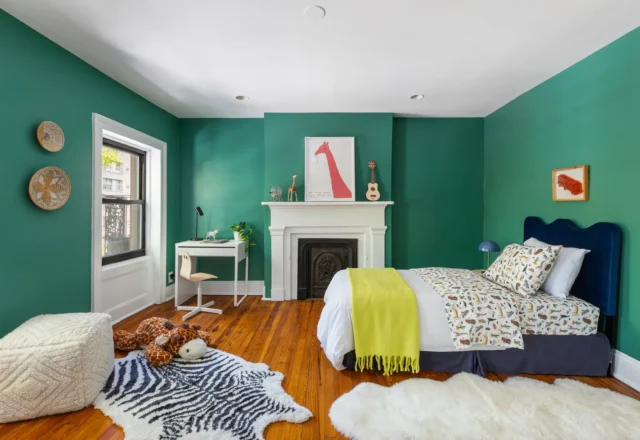
Interior vs Exterior Paint: Key Differences Explained
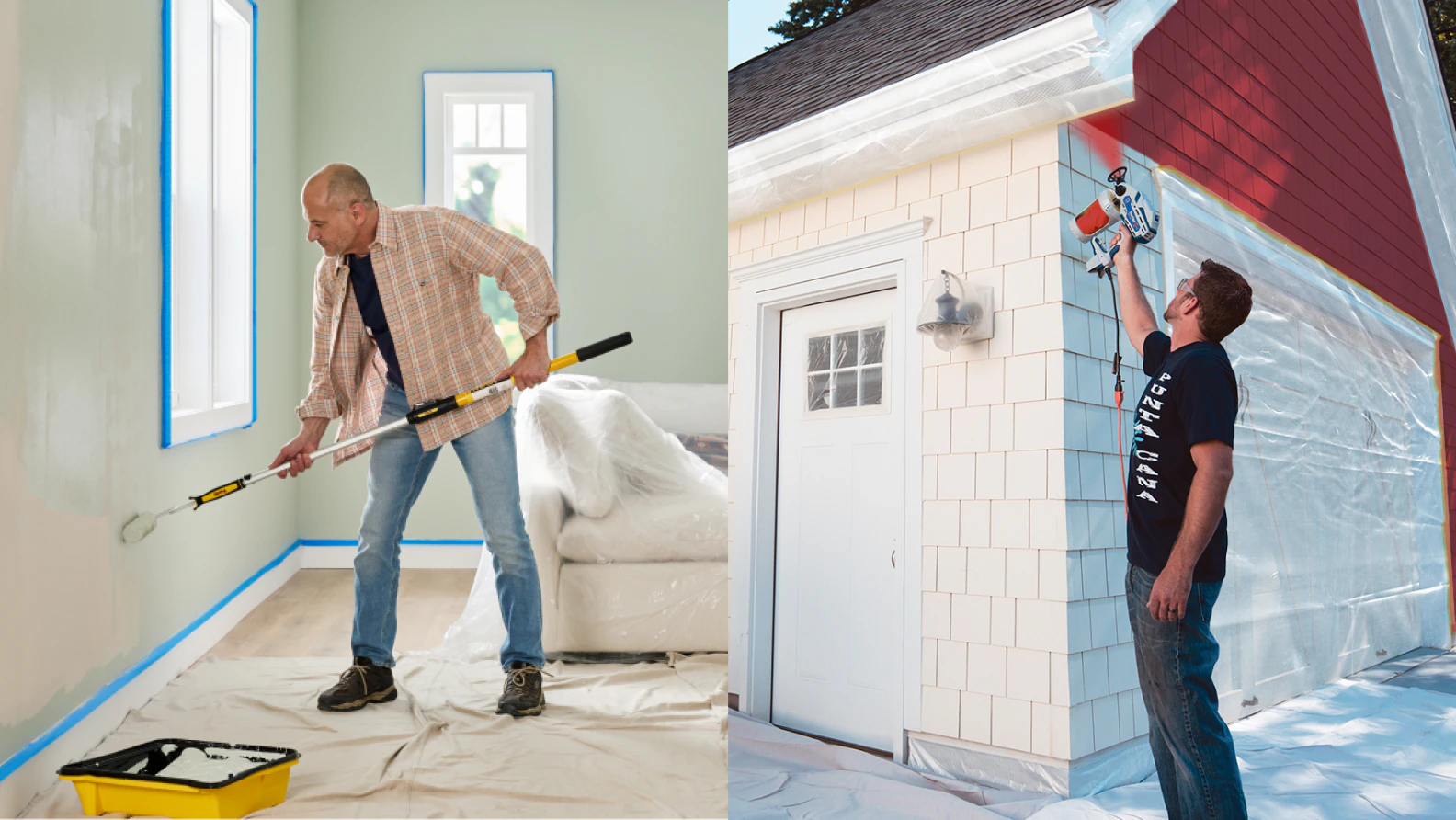
Grabbing whatever paint can is on sale might seem convenient, but understanding interior vs exterior paint differences matters more than most people realize. Using the wrong type in the wrong place often leads to premature peeling, fading, or poor coverage.
While both types share some basic ingredients, interior vs exterior paint formulations are designed for completely different conditions and challenges. This guide breaks down exactly what separates these two paint categories, helping you choose the right one for every painting project around your home.
Why Interior vs Exterior Paint Formulations Differ
Interior and exterior spaces face entirely different environmental conditions, which is why interior vs exterior paint formulations aren’t interchangeable.
- Exterior surfaces face direct sunlight, rain, temperature swings, and pollution
- Interior surfaces mainly need to withstand cleaning, scuffs, and everyday wear
- Each paint type is engineered with specific additives suited to these distinct challenges
Understanding these fundamental differences explains why using the wrong paint type often leads to disappointing, short-lived results.
Durability and Weather Resistance
One of the clearest differences in the interior vs exterior paint comparison involves how each type handles environmental exposure.
Exterior paint durability features:
- Formulated to resist UV rays without fading quickly
- Contains additives that prevent cracking from temperature fluctuations
- Designed to repel moisture and resist mold or mildew growth
Interior paint characteristics:
- Not designed to withstand direct sunlight or outdoor moisture
- Prioritizes washability and resistance to household stains
- Generally has a smoother, more refined finish for indoor aesthetics
(Internal link suggestion: link to an article on “Signs You Need a Roof Replacement, Not Just a Repair” for related exterior weatherproofing concerns)
Using exterior paint indoors, or vice versa, means missing out on the specific protective qualities each formulation offers.
Chemical Composition and Ingredients
The actual ingredients used highlight significant differences in the interior vs exterior paint comparison.
- Exterior paint contains higher levels of resin for flexibility and durability
- Exterior formulations often include mildewcides to prevent outdoor mold growth
- Interior paint typically has lower VOC (volatile organic compound) levels for indoor air quality
Practical tip: If you have sensitivities to strong odors, look specifically for low-VOC interior paint options designed for better indoor air quality.
These compositional differences directly affect both performance and safety depending on where each paint type is used.
Finish Options and Aesthetic Considerations
Finish choices also differ notably between interior vs exterior paint, based on different aesthetic and functional priorities.
- Interior paints offer finishes ranging from matte to high-gloss for varied decorative effects
- Exterior paints often prioritize durability over ultra-glossy finishes
- Both types offer satin and semi-gloss options, though formulated differently for their environments
(Internal link suggestion: link to an article on “2026 Interior Design Trends Homeowners Are Loving” for related interior finish inspiration)
Choosing the appropriate finish for each paint type ensures both visual appeal and long-term performance.
Drying Time and Application Differences
Application characteristics differ in the interior vs exterior paint comparison, affecting project planning and timing.
- Exterior paint often requires specific temperature and humidity conditions for proper curing
- Interior paint generally dries faster and is less sensitive to environmental conditions
- Weather forecasting becomes essential when planning exterior painting projects
Practical tip: Always check weather forecasts before starting exterior painting projects, since rain or extreme humidity can compromise the final finish.
Understanding these application differences helps you plan projects more effectively, avoiding wasted time and materials.
Can You Use Exterior Paint Indoors, or Interior Paint Outdoors?
A common question in the interior vs exterior paint debate is whether these formulations can be used interchangeably in a pinch.
- Exterior paint indoors can release higher levels of VOCs, affecting indoor air quality
- Interior paint used outdoors typically fails quickly, without weather-resistant properties
- Neither substitution is recommended, even for small or temporary projects
(Internal link suggestion: link to an article on “How to Choose Paint Colors That Increase Resale Value” for related color selection guidance)
Using the correct paint type for each application ensures the best possible durability and appearance over time.
Cost Comparison Between Interior and Exterior Paint
Pricing is another practical factor in the interior vs exterior paint comparison worth considering during budget planning.
- Exterior paint is often slightly more expensive due to additional weather-resistant additives
- Interior paint pricing varies based on finish quality and brand reputation
- Both types offer a range of budget to premium options depending on project needs
Investing in quality exterior paint, in particular, often pays off through extended durability and reduced repainting frequency.
Choosing the Right Paint for Your Project
Deciding between interior vs exterior paint ultimately depends on matching the formulation to your specific project location and conditions.
- Always use exterior-specific paint for outdoor walls, trim, and doors
- Reserve interior paint for indoor walls, ceilings, and trim work
- Consider specialty paints for unique applications like bathrooms or high-humidity areas
Practical tip: For surfaces exposed to both indoor and outdoor conditions, such as covered porches, consult with paint specialists about appropriate hybrid or specialty formulations.
Frequently Asked Questions
1. Can I use exterior paint for interior walls to save money? It’s not recommended, as exterior paint contains higher VOC levels that can affect indoor air quality and isn’t formulated for indoor conditions.
2. Why does exterior paint cost more than interior paint? Exterior paint contains additional additives for UV resistance, flexibility, and mildew prevention, which typically increases its cost.
3. Does interior paint work on outdoor surfaces if protected from rain? Even in protected areas, interior paint lacks the UV resistance and flexibility needed for outdoor durability, making it a poor long-term choice.
4. What is the main difference between interior vs exterior paint? The main difference lies in formulation: exterior paint is designed for weather resistance and UV protection, while interior paint prioritizes washability and low VOC content.
5. Do I need special exterior paint for different climates? Yes, climates with extreme heat, cold, or humidity may require specific exterior paint formulations suited to those particular conditions.
6. Is low-VOC paint only available for interior use? Low-VOC options are increasingly available for both interior and exterior paints, though interior formulations traditionally focus more heavily on this feature.
Conclusion
Understanding the differences in interior vs exterior paint — from durability and chemical composition to finish options and cost — helps you choose the right product for every painting project. Using the correct formulation ensures better results and longer-lasting performance.
Always match your paint choice to its intended location rather than assuming any paint will work interchangeably.
Planning a painting project soon? Choose the appropriate interior or exterior paint formulation based on this guide to ensure the best possible results for your specific space.